
In English, affective and effective are two words that look similar but have very different meanings. Understanding the difference is important for using English correctly in speaking, writing, reading, and listening. In this...
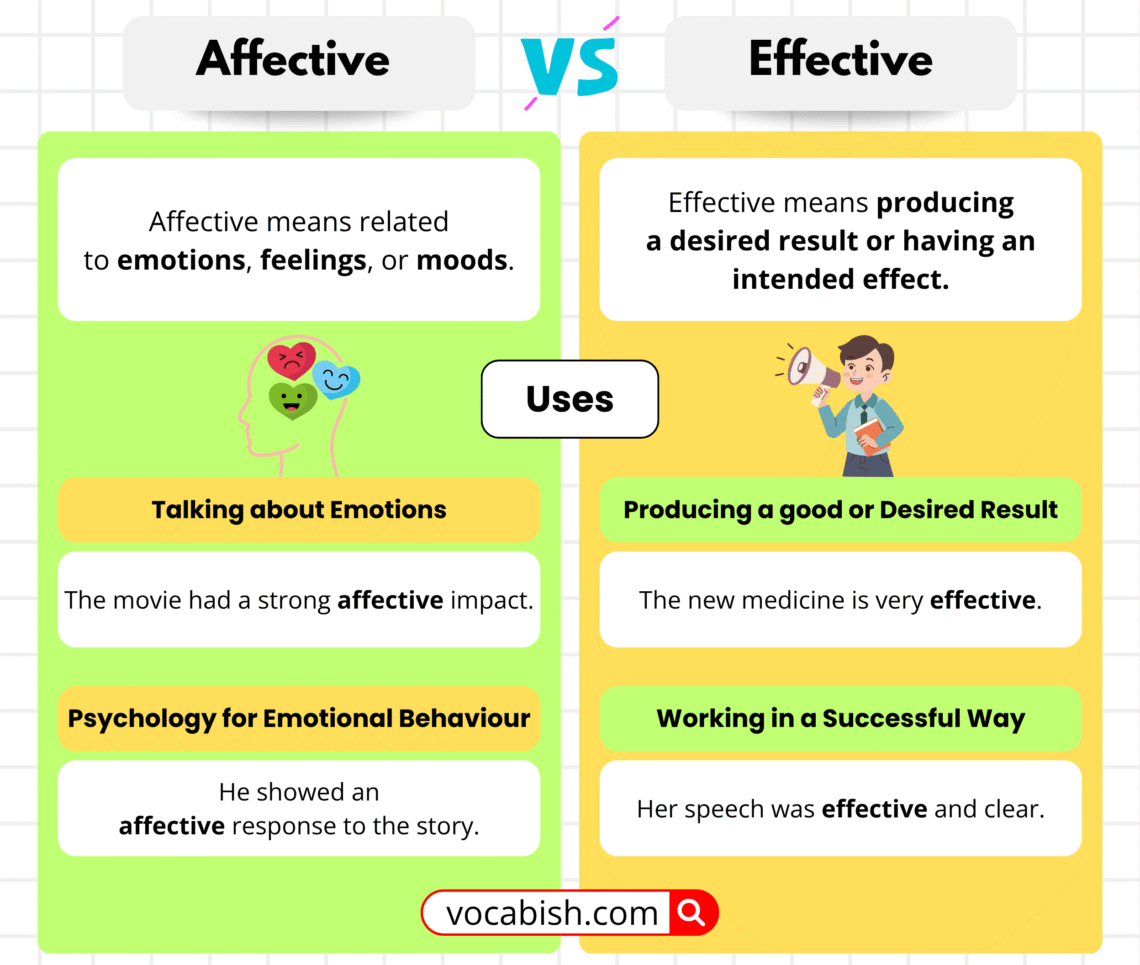
In English, affective and effective are two words that look similar but have very different meanings. Understanding the difference is important for using English correctly in speaking, writing, reading, and listening. In this...
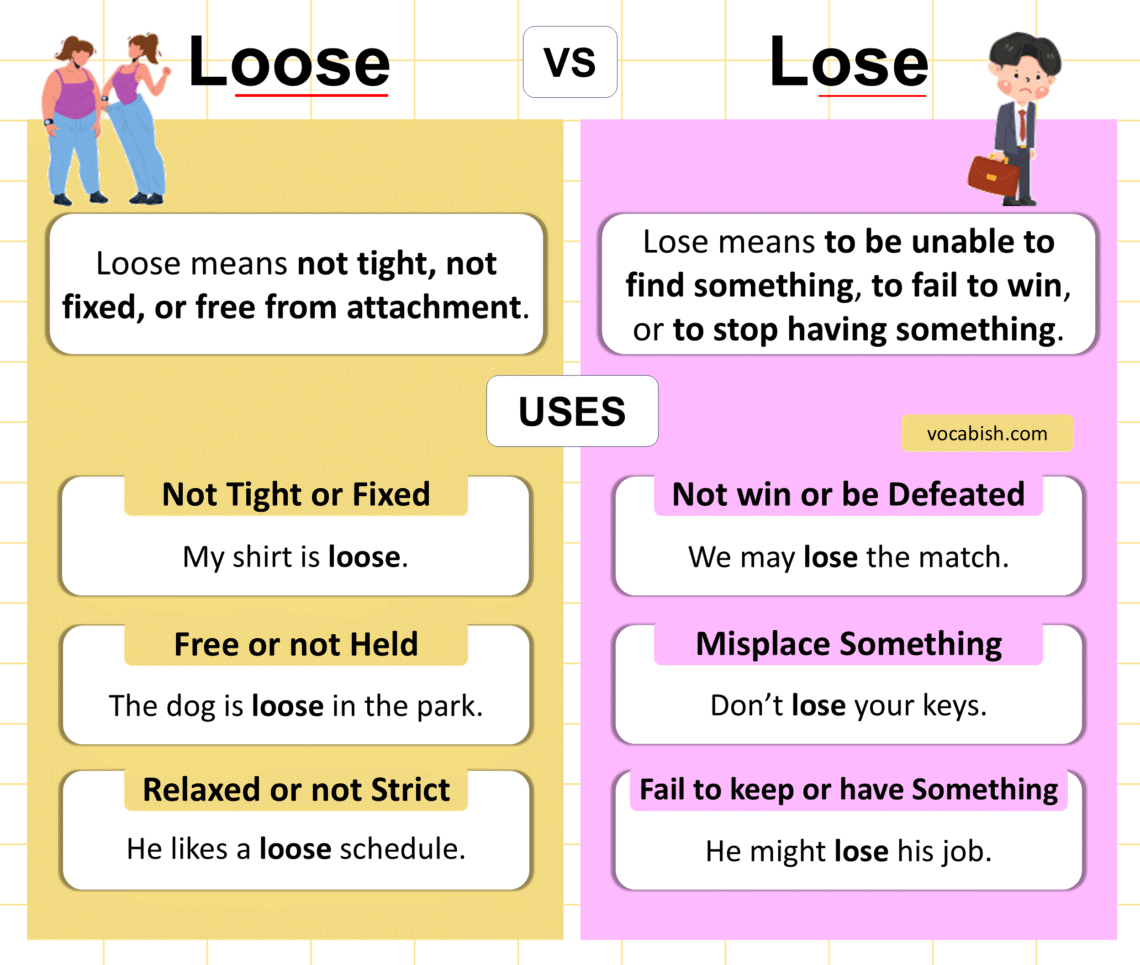
In English, loose and lose are two words that often confuse learners because they sound similar but have very different meanings. Understanding the difference is important for speaking, writing, reading, and listening accurately...
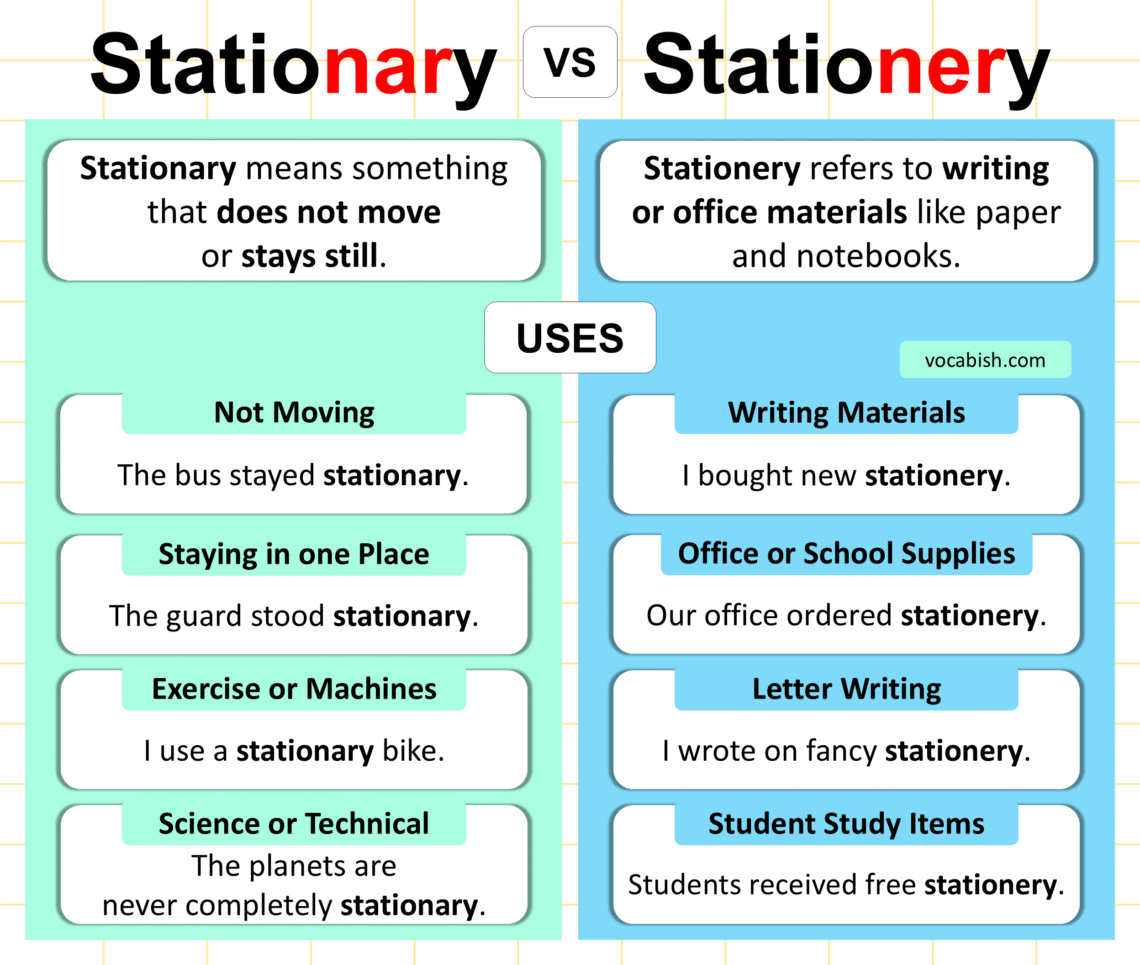
Many English learners get confused between Stationary and Stationery because they sound alike but have different meanings. Knowing the difference is important for correct writing and speaking, and it also helps improve reading...
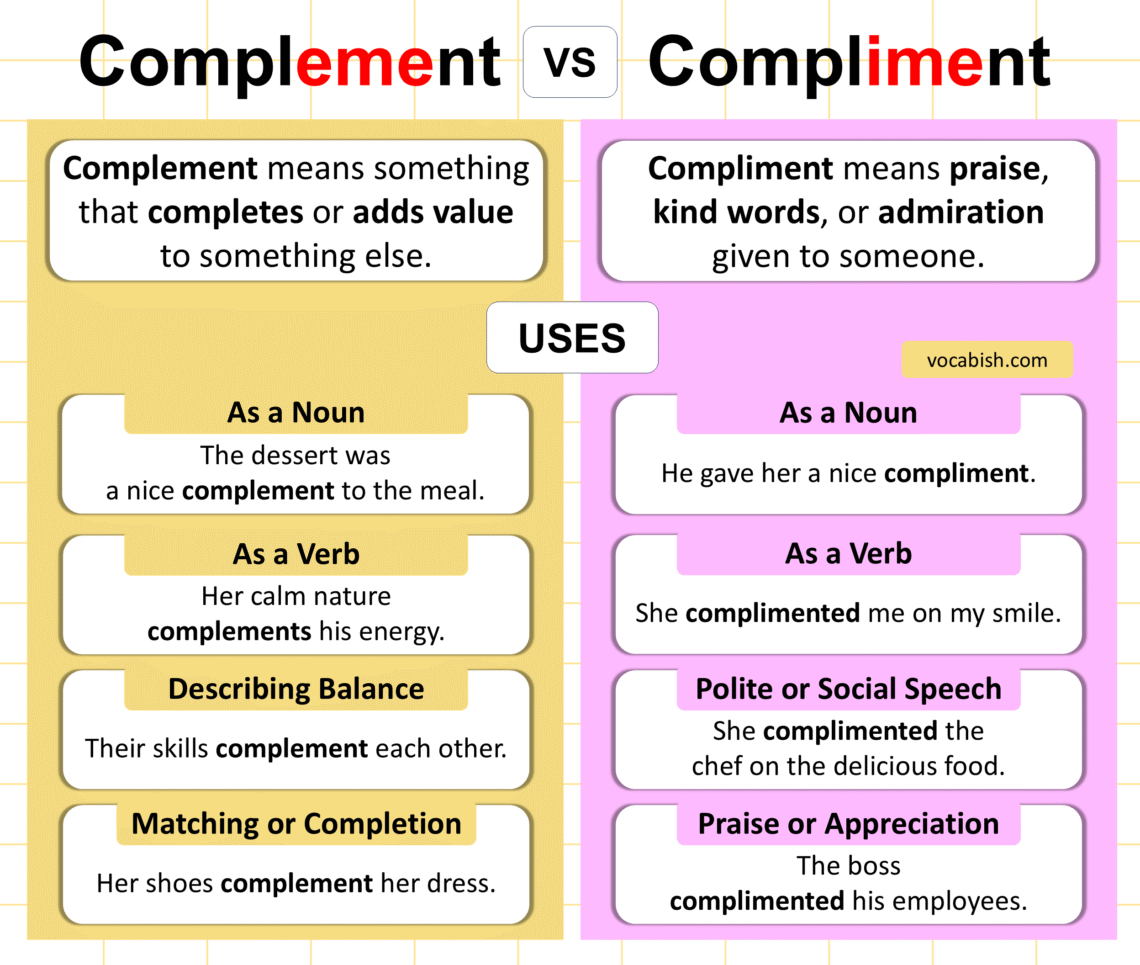
Many English learners get confused between Complement and Compliment because they sound alike but have different meanings. Understanding the difference is important for accurate writing and speaking, and it also helps improve...
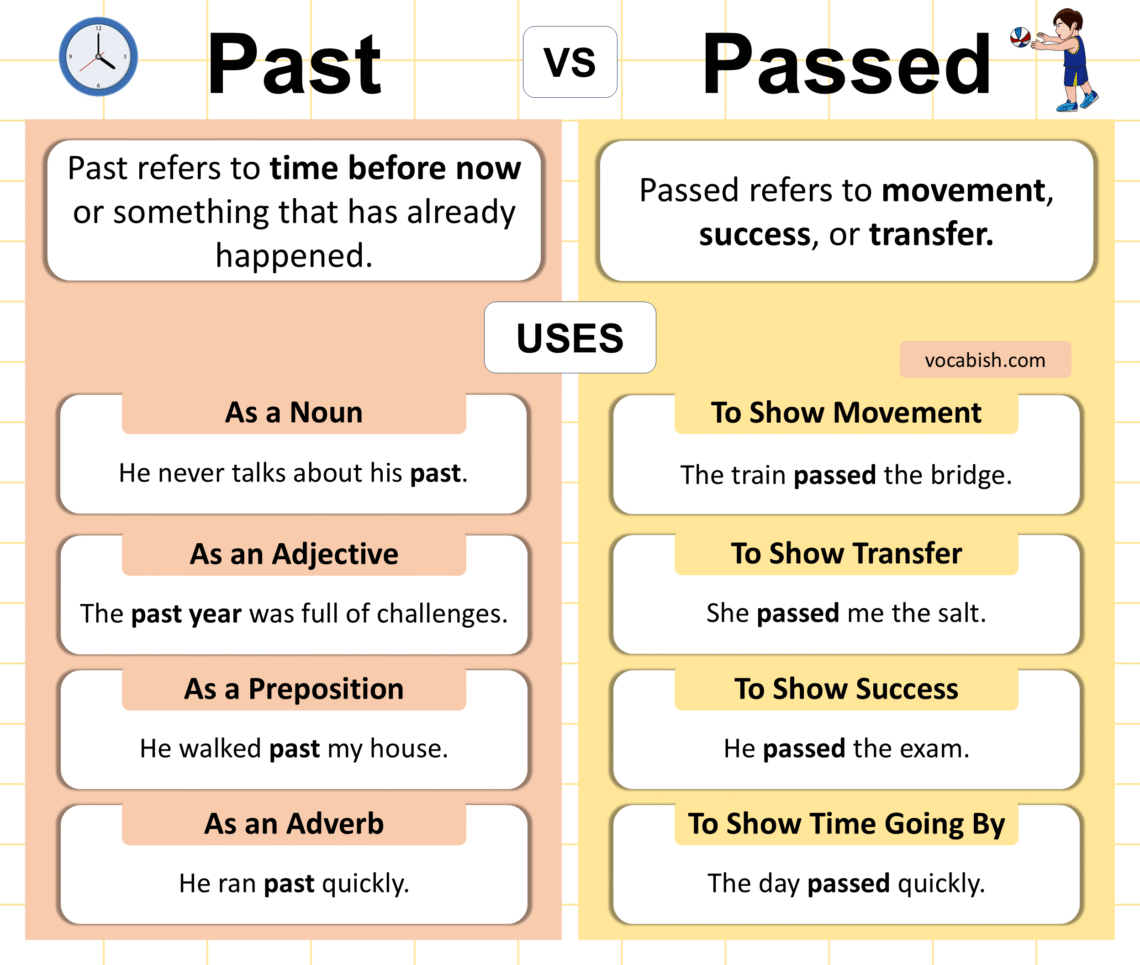
Many English learners get confused between past and passed because they sound the same but have different meanings and uses. This short and simple guide will help you understand when to use past and when to use passed — with easy...
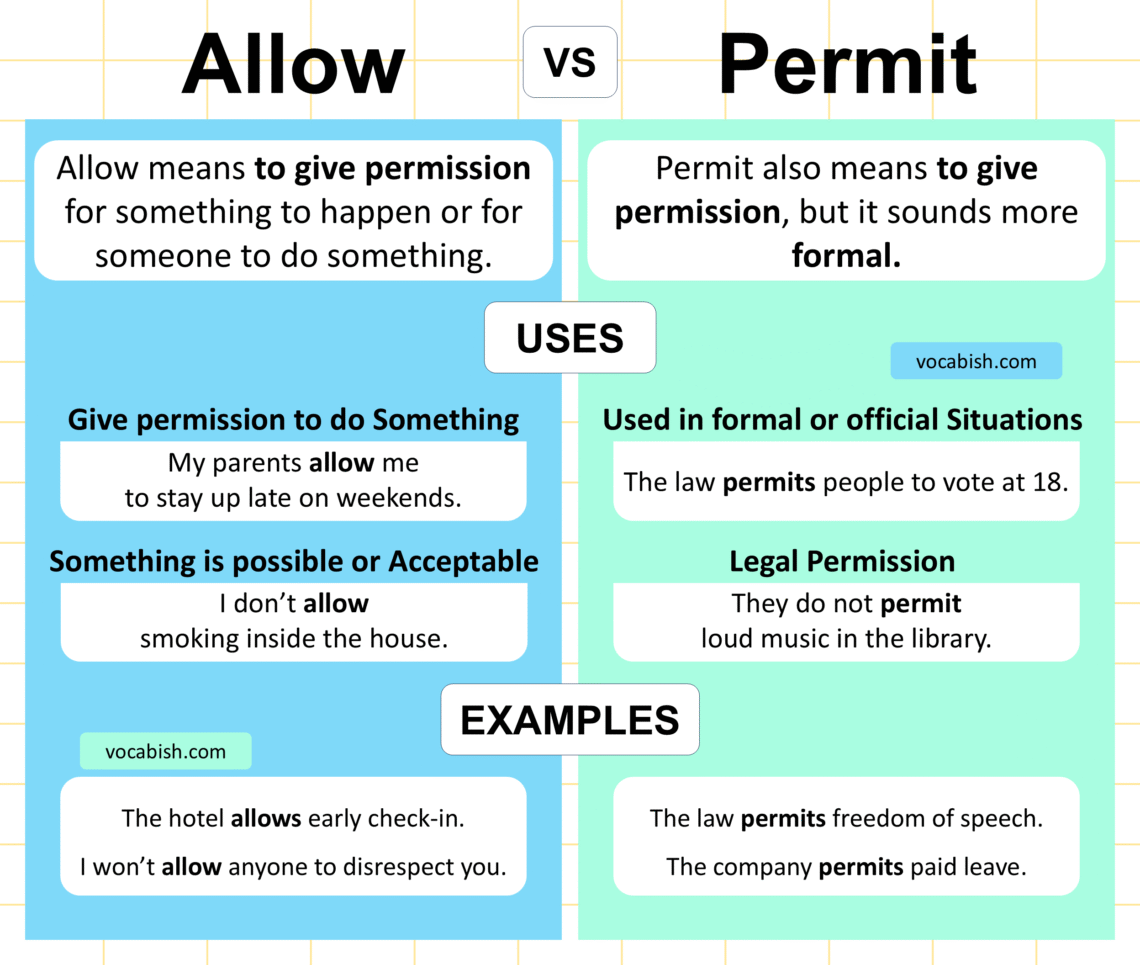
Many English learners get confused between Allow and Permit because they have similar meanings but are used in slightly different ways. Understanding the difference is important for correct writing and speaking, and it also helps...
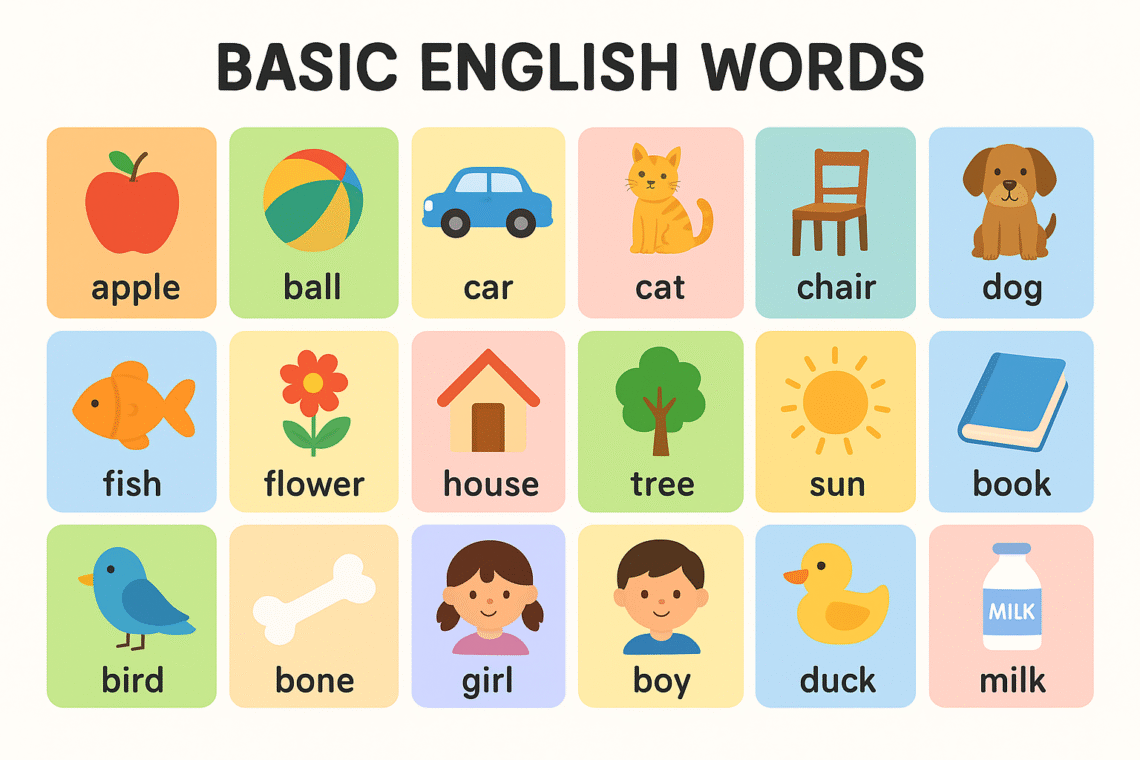
Building a strong vocabulary is essential for English learners, especially for beginners who want to improve their reading and speaking skills. Knowing the meanings of common words also helps with writing and listening, making...
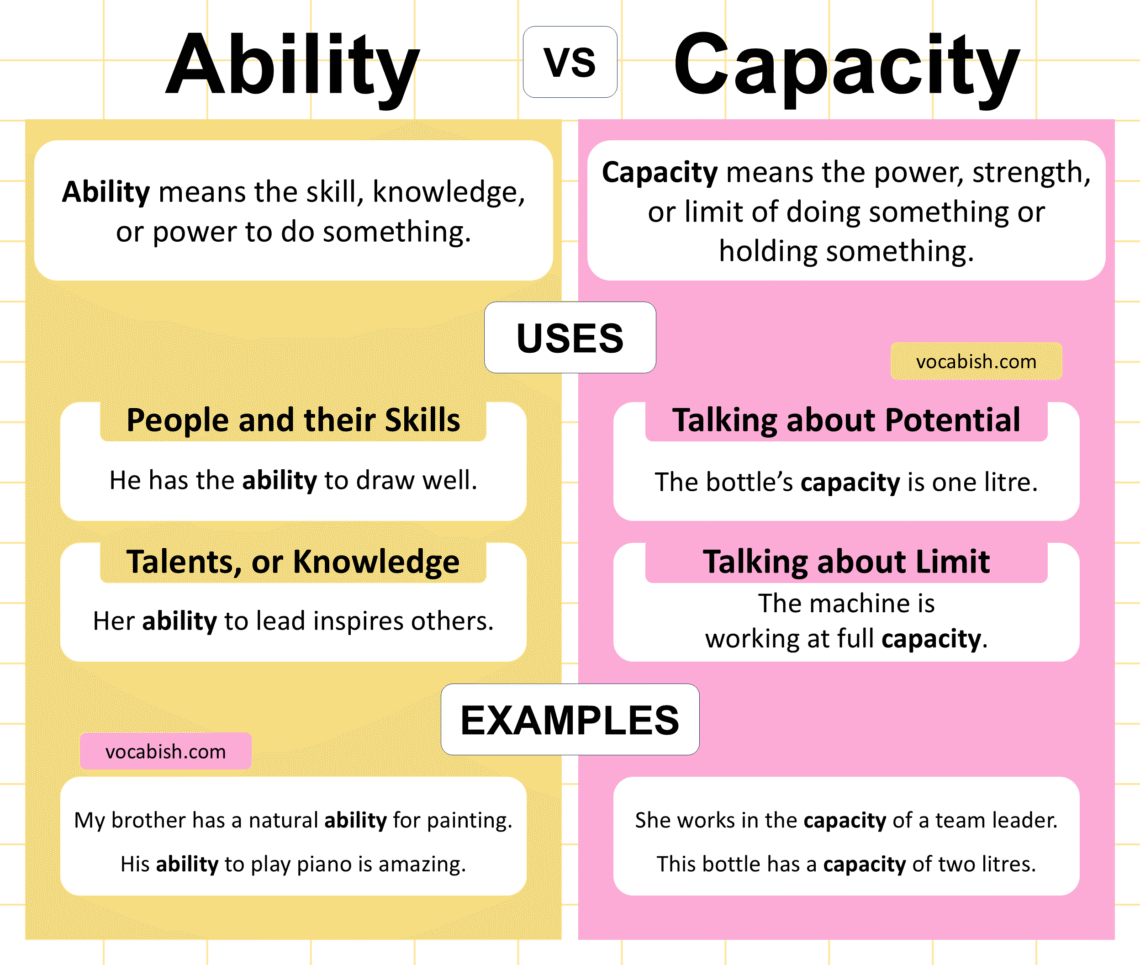
Many English learners use ability and capacity as if they mean exactly the same thing. While both words relate to what someone or something can do, they are not always interchangeable. A simple way to understand the difference is...
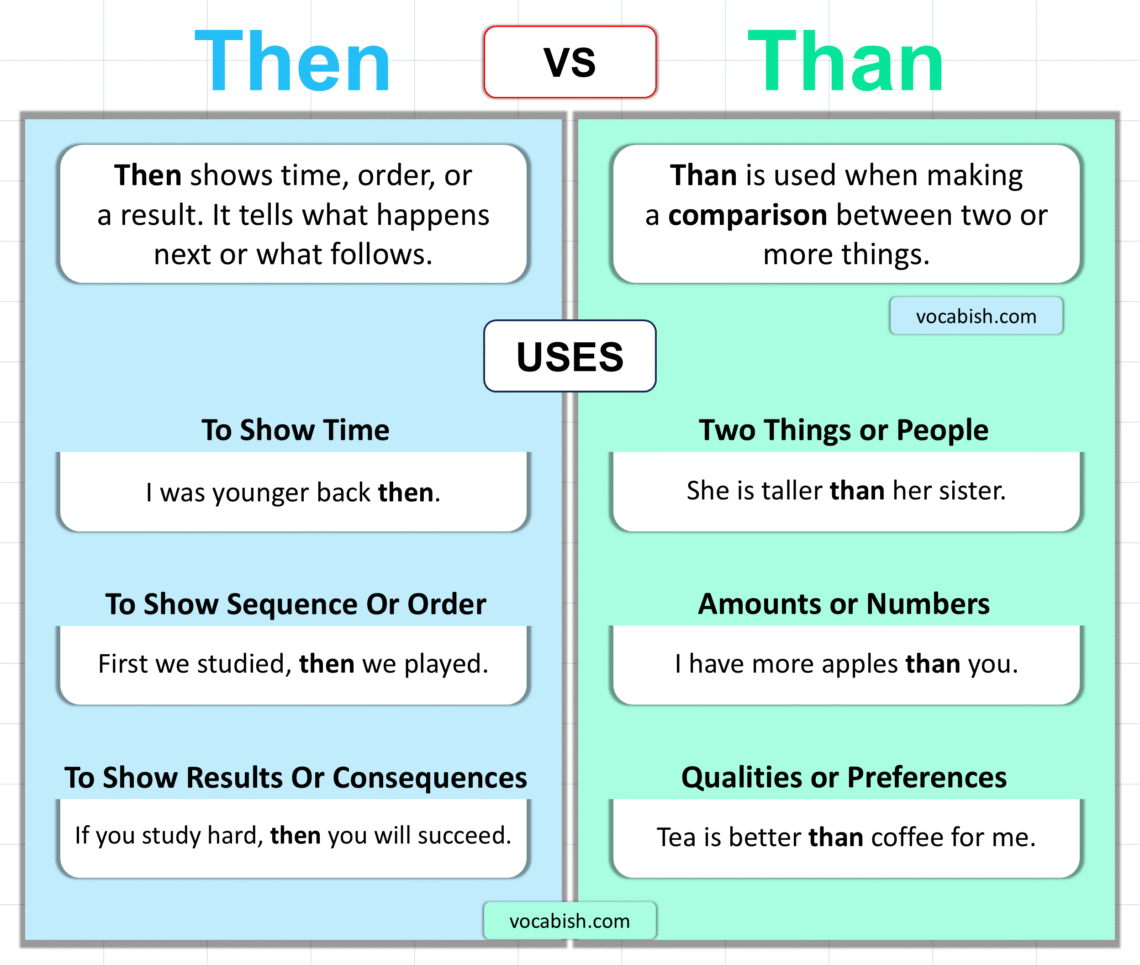
In this blog post, you will learn the difference between then and than. These two words look and sound similar, but they have different meanings and uses in English. Many learners confuse them because one relates to time or...
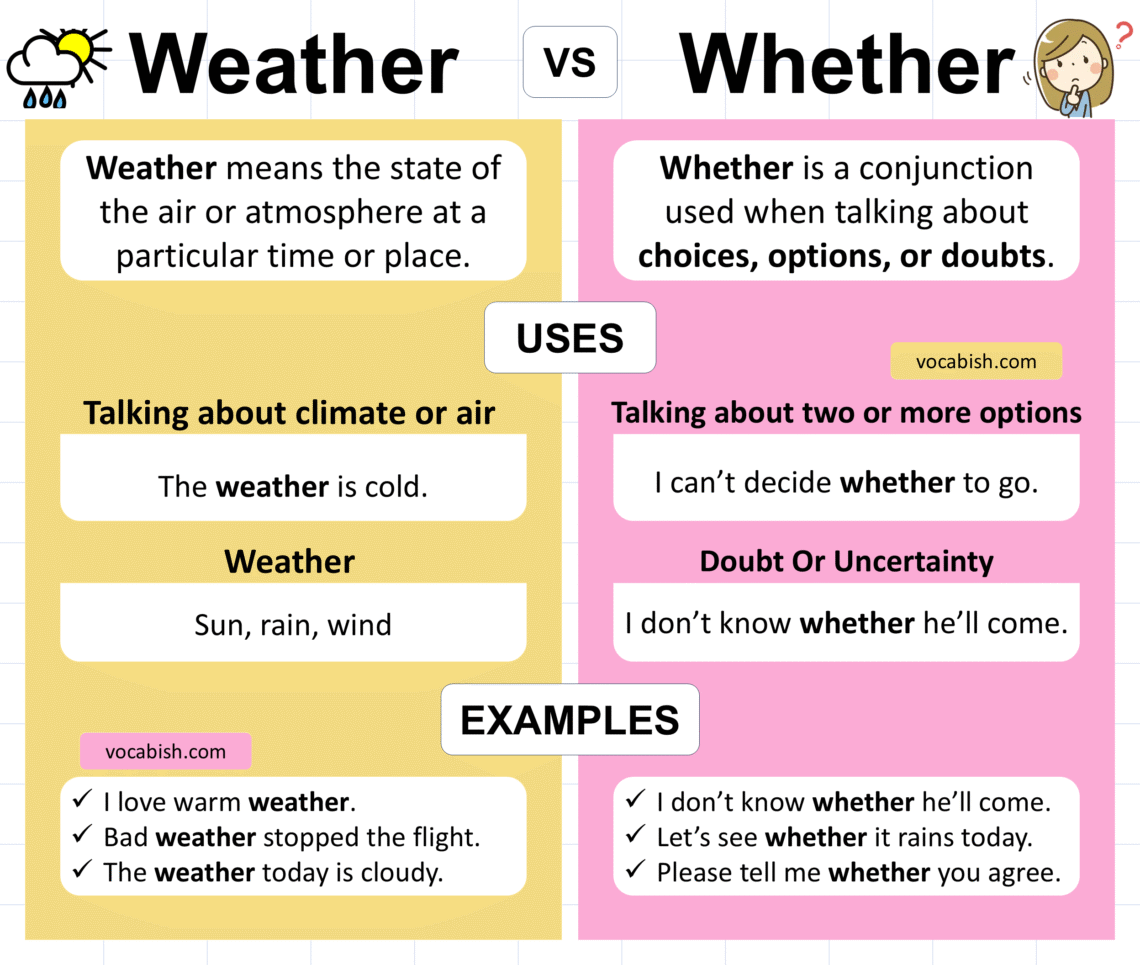
In this blog post, you will learn the difference between weather and whether. These two words sound the same but have different meanings and uses in English. Many learners confuse them because one refers to the climate or...