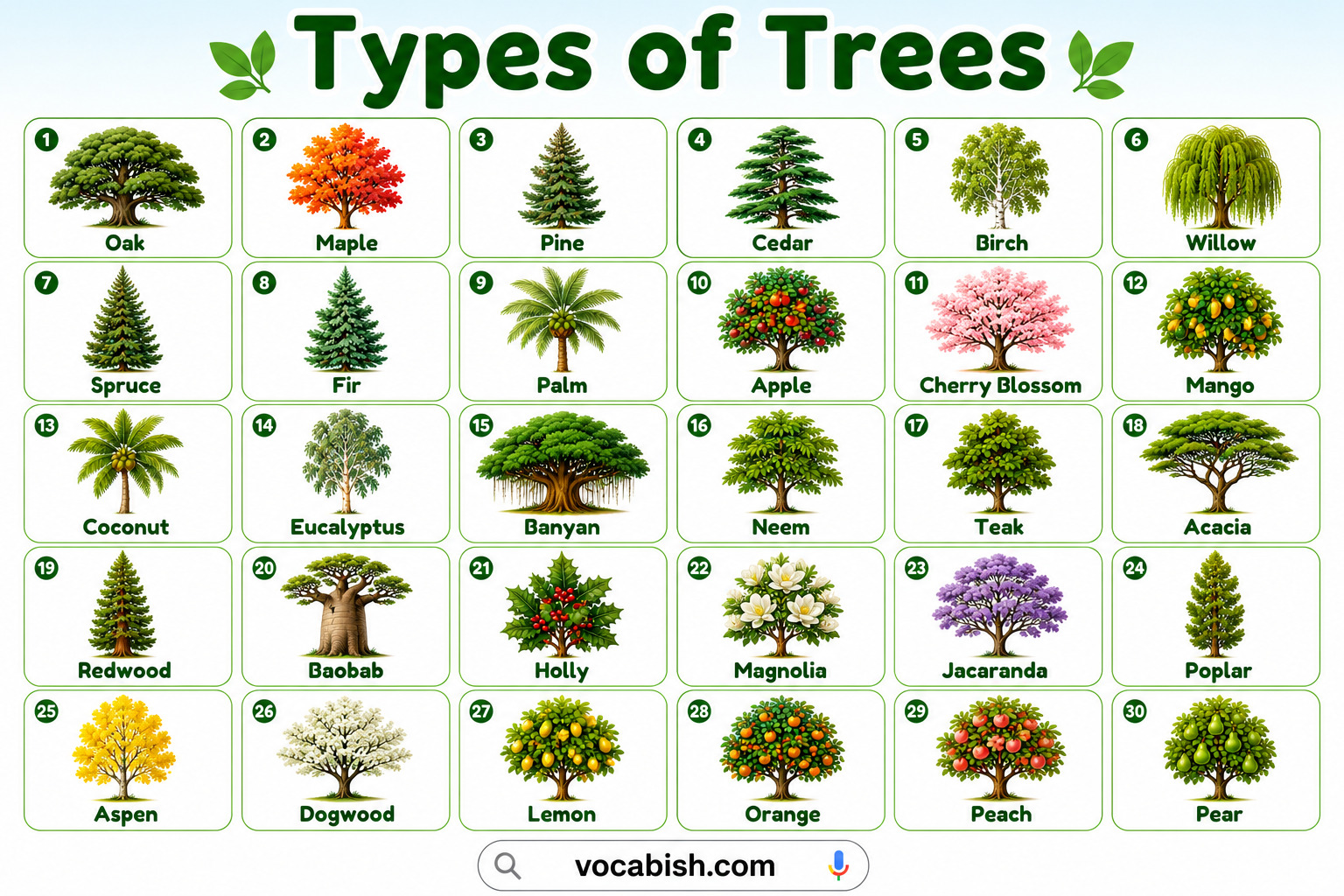

Types of trees include many groups such as deciduous trees, evergreen trees, fruit trees, and flowering trees that grow in different parts of the world. Trees are living plants with a strong trunk, branches, and leaves, and they play an important role in nature by giving oxygen, shade, food, and shelter. From tall pine trees in cold regions to mango and coconut trees in tropical areas, each type has its own look and use. In this guide, you will learn common tree names in English along with how they look, making it easier to recognize them in everyday life, parks, and forests.
Main Categories of Trees
Trees are often grouped according to how they grow and how their leaves behave during the year.
The two most common categories are deciduous trees and evergreen trees.
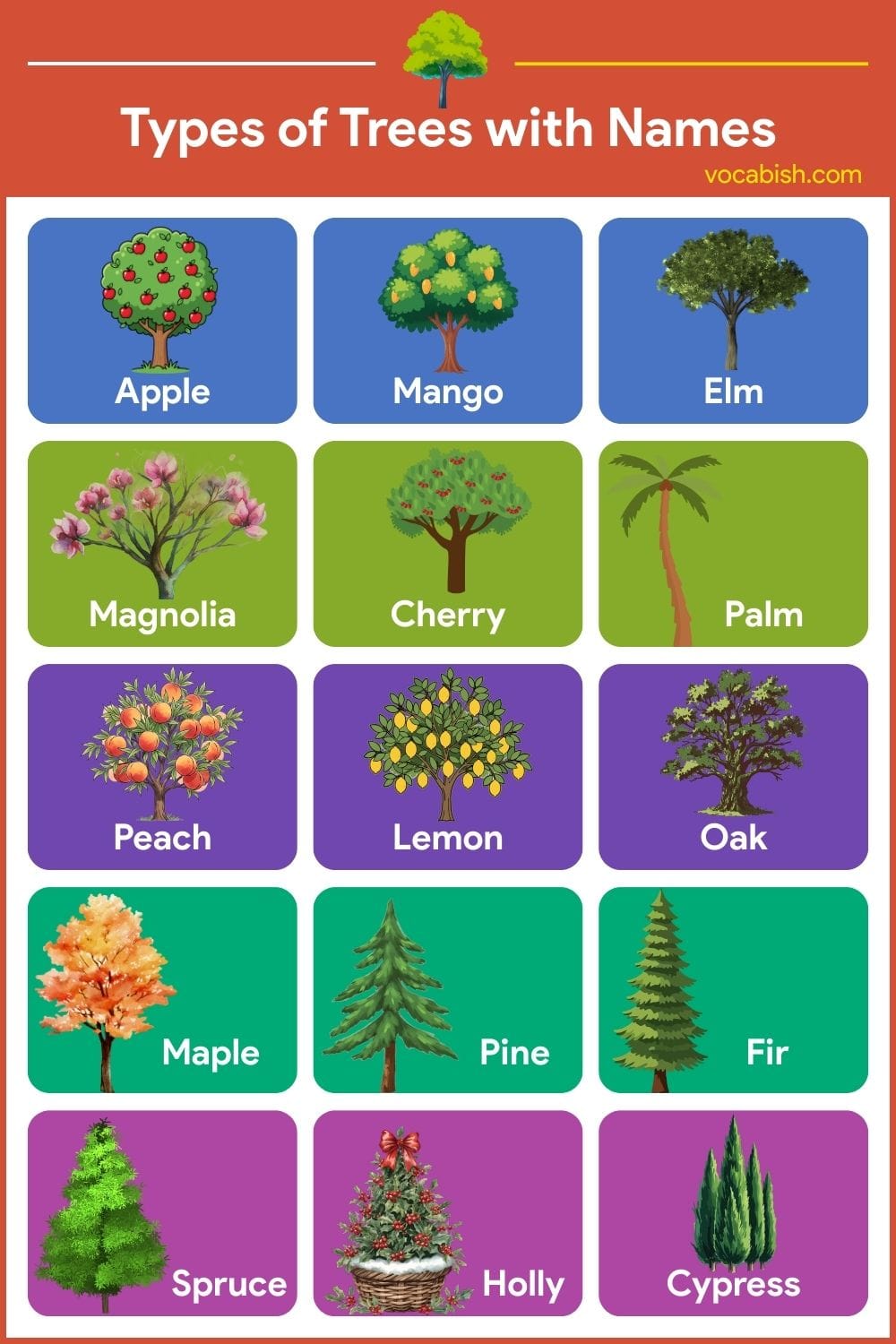
Deciduous Trees vs Evergreen Trees
Understanding these two groups makes tree identification much easier.
Feature | Deciduous Trees | Evergreen Trees |
|---|---|---|
Leaves | Fall seasonally | Stay year-round |
Appearance in Winter | Often bare | Usually green |
Examples | Oak, Maple, Birch | Pine, Spruce, Fir |
Growth Areas | Temperate regions | Many climates |
100+ Types of Trees with Names
Below is a large collection of tree names in English. These names help you build vocabulary while becoming familiar with trees from different parts of the world.
Deciduous Trees
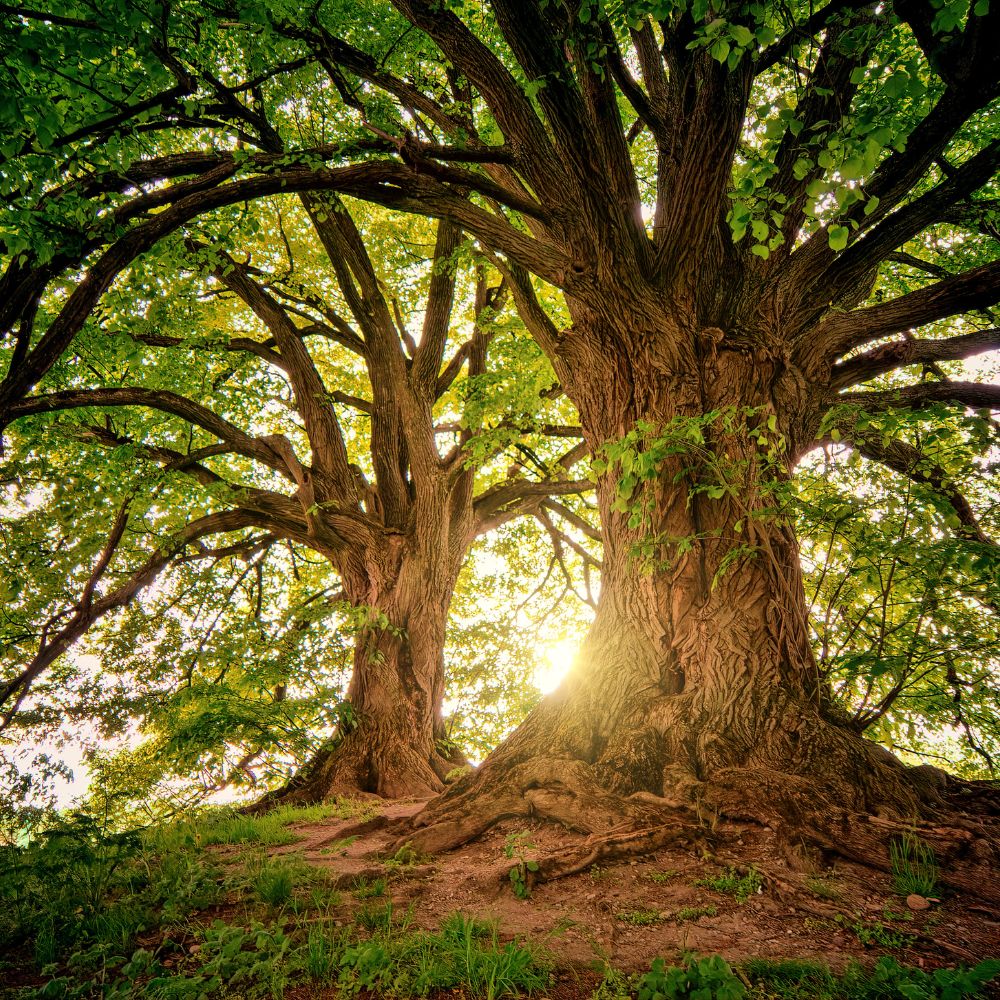
Deciduous trees are the kind of trees that shed their leaves during a specific season each year, usually in autumn. Before the leaves fall, they often change color and create beautiful shades of yellow, orange, red, and brown.
These trees are common in regions with distinct seasons. By dropping their leaves, they conserve water and energy during colder or drier months.
Tree Name | Appearance / Key Feature |
|---|---|
Oak | Strong trunk and acorn-producing branches |
Maple | Famous for bright autumn colors |
Birch | White or silver bark with small leaves |
Elm | Vase-shaped crown and spreading branches |
Ash | Tall tree with compound leaves |
Poplar | Fast-growing tree with broad leaves |
Willow | Long, drooping branches |
Beech | Smooth gray bark and dense canopy |
Sycamore | Large leaves and patchy bark |
Aspen | Round leaves that flutter in the wind |
Alder | Often grows near rivers and lakes |
Hornbeam | Dense foliage and smooth bark |
Hackberry | Rough bark and berry-like fruits |
Cottonwood | Large leaves and thick trunk |
Chestnut | Produces edible chestnuts |
Walnut | Nut-producing tree with broad leaves |
Hickory | Strong hardwood and edible nuts |
Persimmon | Produces orange-colored fruits |
Mulberry | Bears sweet berries |
Linden | Fragrant flowers and heart-shaped leaves |
Benefits of Deciduous Trees
These trees provide many environmental benefits:
- Produce oxygen
- Offer shade in summer
- Support wildlife
- Improve air quality
- Help prevent soil erosion
- Add seasonal beauty to landscapes
Examples in Everyday English:
- The maple tree turns bright red and orange in autumn.
- Oak trees lose their leaves before winter arrives.
- The willow tree beside the river has long hanging branches.
- Many parks are filled with deciduous trees that change color each year.
Evergreen Trees
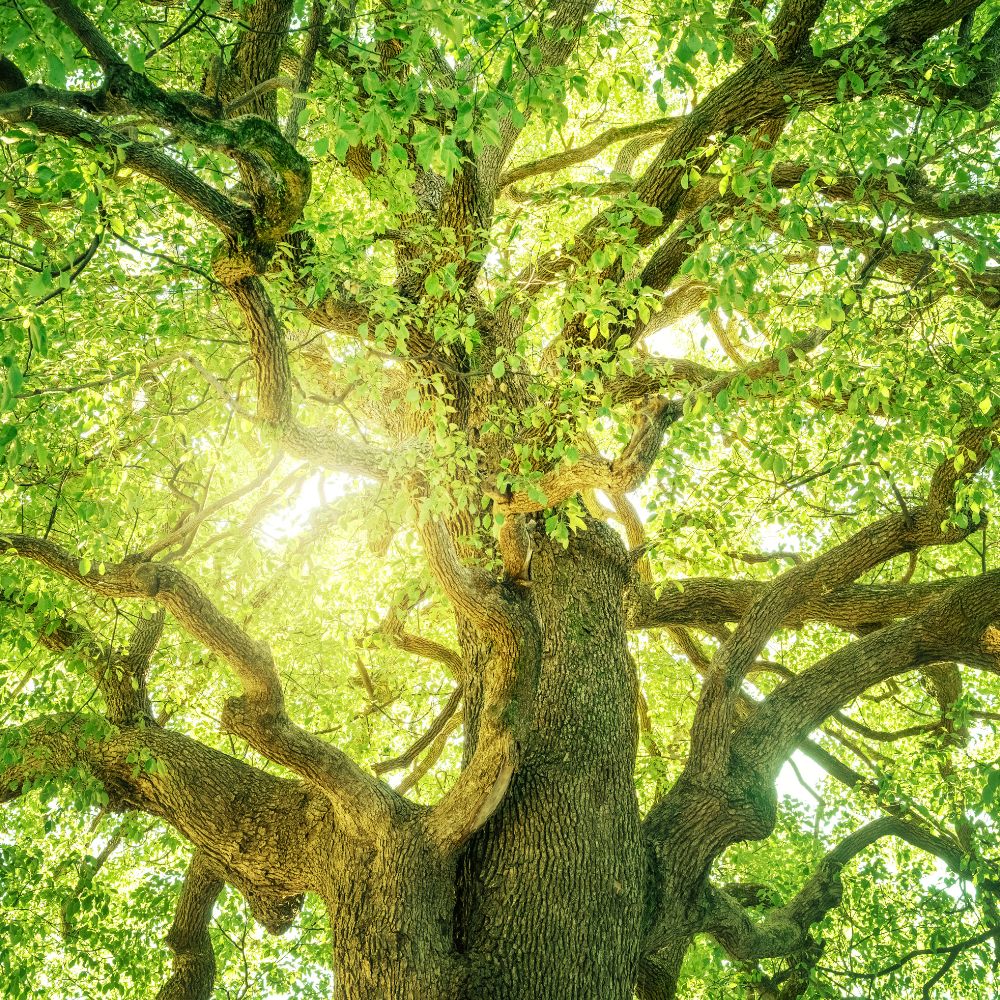
Evergreen trees are the kinds of trees that keep their leaves or needles throughout the year. Instead of losing all their foliage during one season, they replace old leaves gradually, allowing them to stay green in every season.
These trees are commonly found in forests, mountains, parks, and gardens. Many evergreen trees belong to the conifer family and produce cones instead of flowers.
Tree Name | Appearance / Key Feature |
|---|---|
Pine | Long needle-like leaves and woody cones |
Spruce | Cone-shaped crown with short, sharp needles |
Fir | Soft, flat needles and upright cones |
Cedar | Aromatic wood and dense evergreen foliage |
Cypress | Tall, narrow shape with scale-like leaves |
Juniper | Small needle-like leaves and berry-like cones |
Hemlock | Flat needles arranged along slender branches |
Yew | Dark green needles and bright red seed coverings |
Redwood | Extremely tall tree with reddish bark |
Sequoia | Massive trunk and evergreen foliage |
Douglas Fir | Tall forest tree with soft needles |
Arborvitae | Dense foliage often used for hedges |
Norfolk Pine | Symmetrical branches and soft needles |
Blue Spruce | Blue-green needles and pyramidal shape |
White Pine | Long, flexible needles growing in clusters |
Scotch Pine | Orange-brown bark and twisted needles |
Italian Cypress | Tall column-shaped tree |
Lawson Cypress | Soft, feathery evergreen foliage |
Japanese Cedar | Tall ornamental conifer with dense needles |
Bald Cypress | Conifer that produces cones and needle-like leaves |
Benefits of Evergreen Trees
Evergreen trees provide many environmental and practical benefits:
- Produce oxygen year-round
- Provide shelter for wildlife
- Reduce wind speed
- Offer privacy screens and hedges
- Help prevent soil erosion
- Keep landscapes green in all seasons
Examples in Everyday English:
- The pine tree remains green even during winter.
- Many people plant cedar trees for privacy and shade.
- A blue spruce tree stands out because of its blue-green needles.
- Italian cypress trees are often planted along driveways and pathways.
Fruit Trees
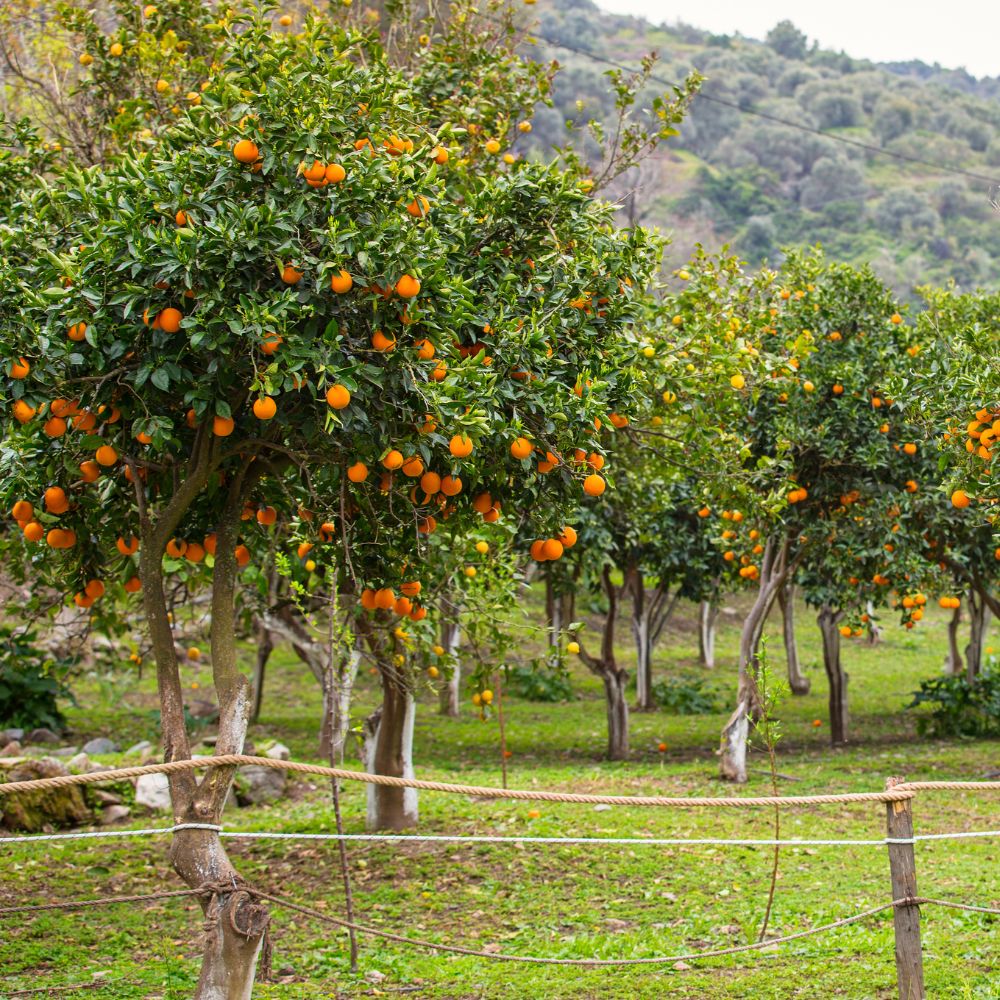
Fruit trees are trees that produce edible fruits for people and animals. They are grown in orchards, gardens, farms, and backyards around the world. Besides providing food, many fruit trees also produce beautiful flowers before their fruits develop.
These trees come in different sizes and grow in various climates, from tropical regions to temperate areas.
Tree Name | Appearance / Key Feature |
|---|---|
Apple | Rounded crown with red, green, or yellow fruits |
Pear | Upright growth and bell-shaped fruits |
Peach | Pink spring flowers and fuzzy fruits |
Plum | Small tree with smooth-skinned fruits |
Cherry | White or pink blossoms and small red fruits |
Apricot | Orange fruits and fragrant spring flowers |
Mango | Dense canopy and large tropical fruits |
Orange | Glossy green leaves and round citrus fruits |
Lemon | Bright yellow fruits and fragrant blossoms |
Lime | Small green citrus fruits |
Grapefruit | Large citrus fruits with thick skin |
Avocado | Broad leaves and pear-shaped fruits |
Fig | Large lobed leaves and soft sweet fruits |
Pomegranate | Bright red fruits filled with juicy seeds |
Olive | Silvery-green leaves and small oval fruits |
Coconut | Tall palm-like tree with large coconuts |
Guava | Smooth bark and round tropical fruits |
Lychee | Rough-skinned fruits with sweet white flesh |
Jackfruit | Massive fruits growing directly from the trunk |
Durian | Large spiky fruits with a strong smell |
Common Types of Fruit Trees
Fruit trees can be grouped into several categories:
- Citrus Trees: Orange, Lemon, Lime, Grapefruit
- Stone Fruit Trees: Peach, Plum, Cherry, Apricot
- Tropical Fruit Trees: Mango, Coconut, Jackfruit, Durian
- Nut-Fruit Trees: Walnut, Chestnut, Almond
- Other Fruit Trees: Apple, Pear, Fig, Pomegranate, Guava
Examples in Everyday English:
- The apple tree produces fruit every autumn.
- Mango trees are common in tropical countries.
- A lemon tree can provide fresh lemons for many years.
- Cherry trees are famous for their beautiful spring blossoms.
Flowering Trees
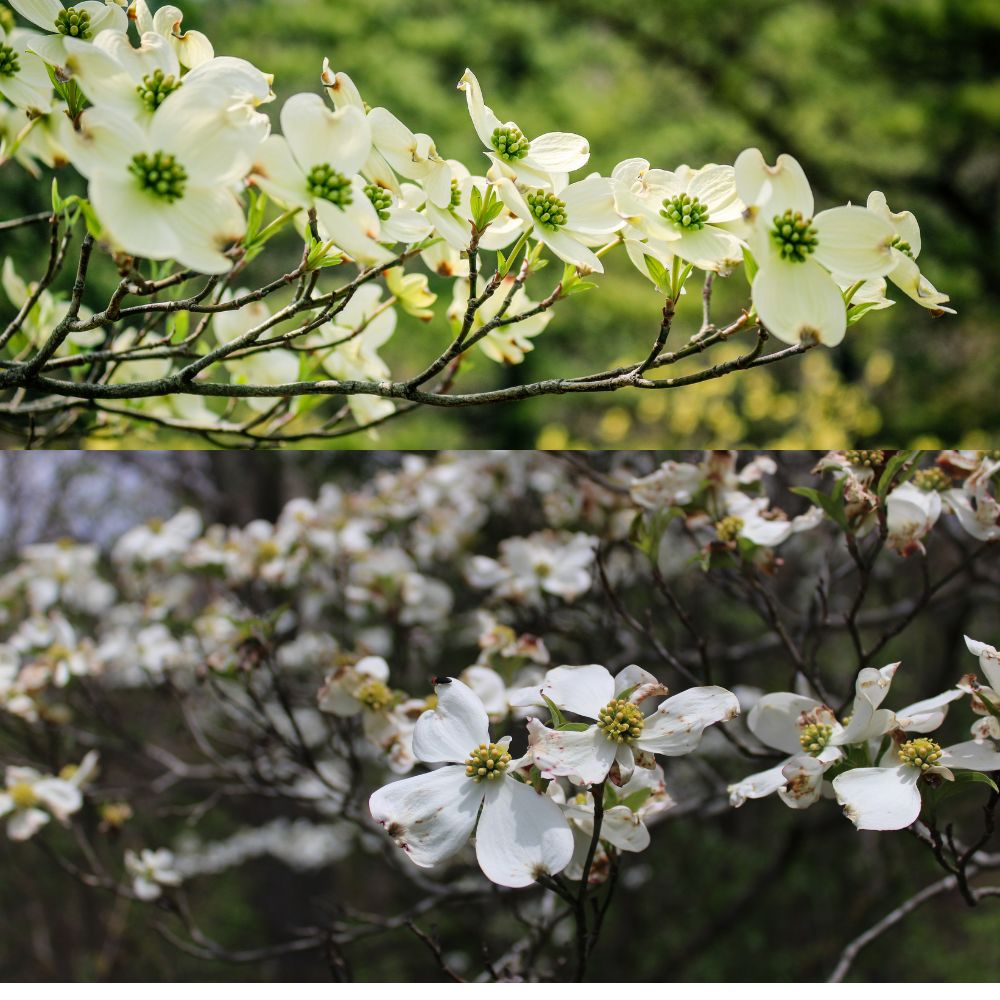
Flowering trees are trees that produce visible flowers during part of the year. These flowers can be large, colorful, and fragrant, making flowering trees popular in gardens, parks, and streets.
Tree Name | Flower Characteristics |
|---|---|
Magnolia | Large white, pink, or purple flowers |
Dogwood | Small flowers surrounded by colorful bracts |
Jacaranda | Purple-blue flowers covering the canopy |
Golden Shower Tree | Long clusters of bright yellow flowers |
Royal Poinciana | Large red-orange flowers |
Crape Myrtle | Pink, red, white, or purple blooms |
Frangipani | Fragrant flowers in white, yellow, pink, or red |
Orchid Tree | Orchid-like pink or purple flowers |
Silk Tree | Soft, fluffy pink flowers |
Tulip Tree | Tulip-shaped greenish-yellow flowers |
Examples in Everyday English:
- The magnolia tree blooms with beautiful pink flowers in spring.
- A jacaranda tree can turn an entire street purple when it flowers.
- Many people plant crape myrtle trees because of their long flowering season.
Tropical Trees
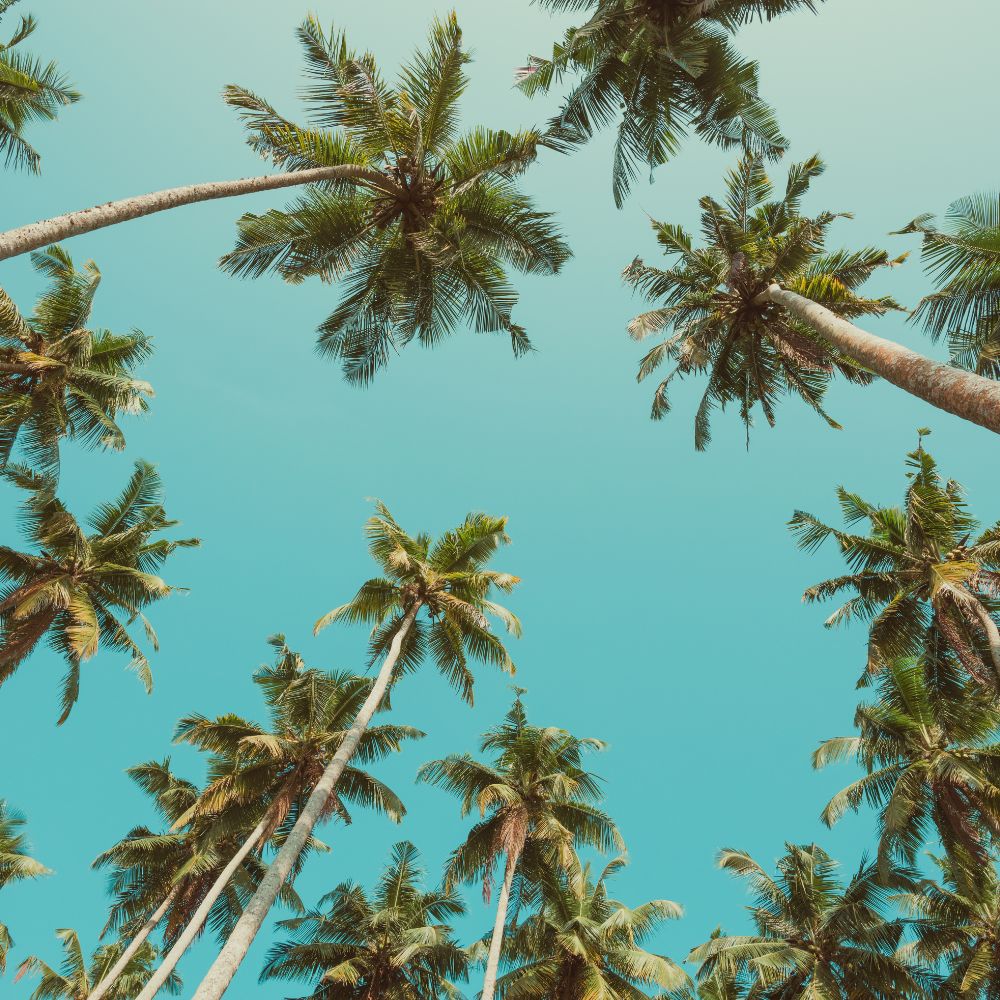
Tropical trees grow in warm regions where temperatures stay relatively high throughout the year. These trees are commonly found in tropical rainforests, coastal areas, and countries near the equator.
Many tropical trees grow very large, produce valuable wood, medicinal products, spices, or fruits, or provide shelter for wildlife. They are known for their rich diversity and unique appearance.
Tree Name | Appearance / Key Feature |
|---|---|
Banyan | Large spreading tree with aerial roots |
Teak | Tall tree known for durable hardwood |
Mahogany | Large tree with reddish-brown timber |
Kapok | Tall tree with a thick trunk and fluffy seed fibers |
Rubber Tree | Produces natural latex used to make rubber |
Ebony | Dark-colored hardwood tree |
Sandalwood | Fragrant wood often used in perfumes |
Neem | Medium-sized tree valued for medicinal uses |
Tamarind | Dense canopy with pod-like fruits |
Acacia | Often has umbrella-shaped branches and small leaves |
Examples in Everyday English:
- The banyan tree provides shade with its wide-spreading branches.
- Teak wood is popular for outdoor furniture.
- Many farmers grow neem trees near their fields.
- Tamarind trees produce sour fruits used in cooking.
Hardwood Trees
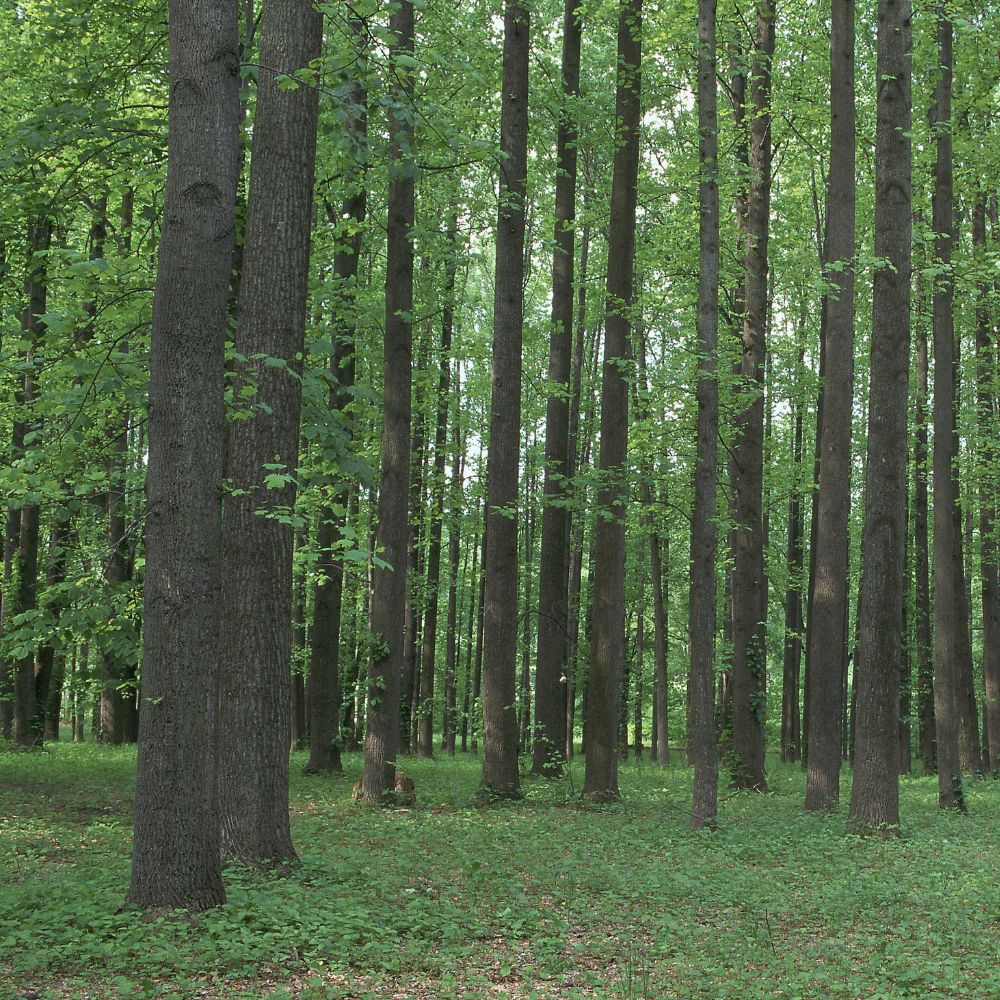
Hardwood trees are broad-leaved trees that usually produce flowers, fruits, or nuts. Most hardwood trees are deciduous trees, meaning they shed their leaves during certain seasons, although some remain evergreen in warmer climates.
Tree Name | Appearance / Key Feature |
|---|---|
Ironwood | Extremely dense and heavy wood |
Black Walnut | Dark bark and edible walnuts |
Yellowwood | Smooth bark with hanging white flowers |
Butternut | Produces oily nuts and has gray bark |
White Oak | Broad crown and rounded leaves |
Koa | Large tropical hardwood from Hawaii |
Red Oak | Reddish wood and pointed leaf lobes |
Mahogany | Tall tree with reddish-brown timber |
Live Oak | Wide-spreading branches and evergreen leaves |
Teak | Large leaves and valuable hardwood |
Black Cherry | Dark bark and small black fruits |
Ebony | Dark-colored wood valued for carving |
Sweetgum | Star-shaped leaves and spiky seed balls |
Hickory | Strong wood and edible nuts |
Sassafras | Distinctive mitten-shaped leaves |
Walnut | Produces nutritious walnuts |
White Ash | Tall tree with compound leaves |
Chestnut | Large leaves and edible chestnuts |
Examples in Everyday English:
- The oak tree in the park is more than 100 years old.
- Walnut wood is often used to make high-quality tables.
- Teak is popular because it resists water and insects.
- The chestnut tree produces edible nuts every autumn.
Ornamental Trees
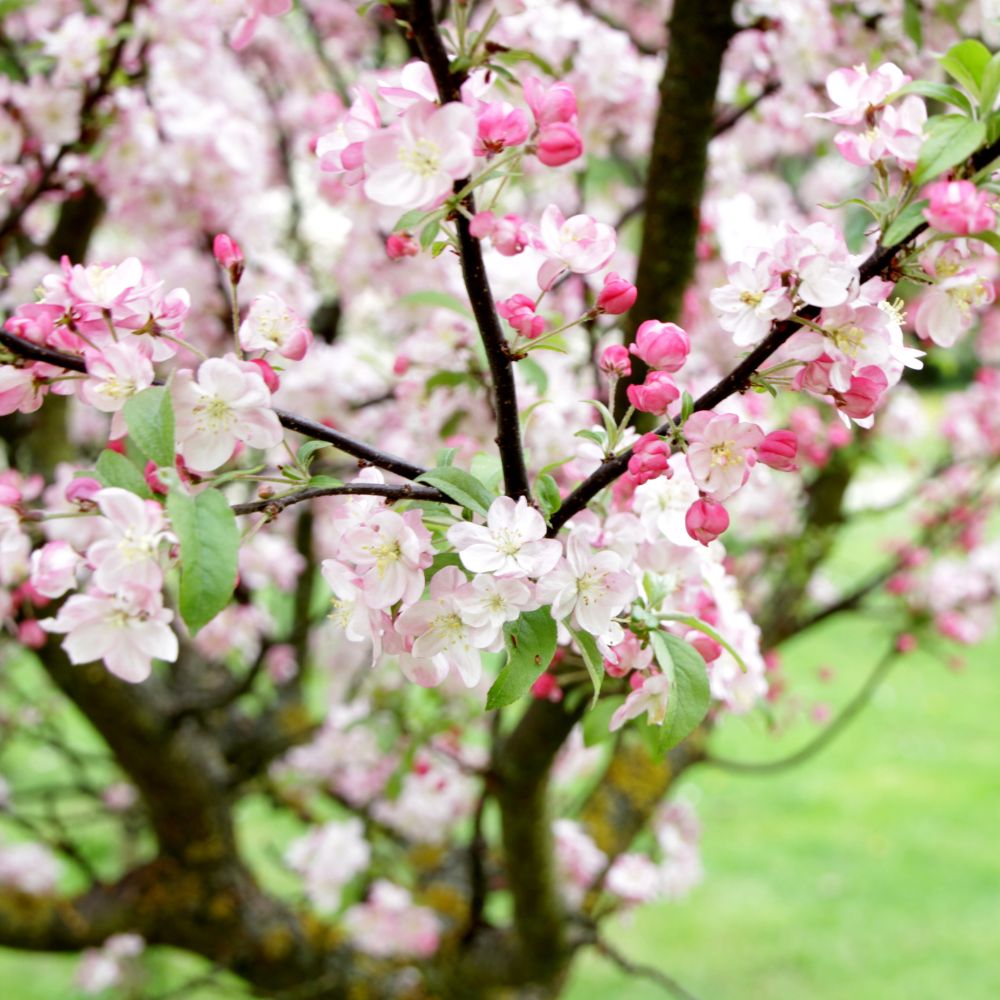
Ornamental trees are trees that people grow mainly for their beauty rather than for timber, fruit, or other products. They are popular in gardens, parks, streets, and landscapes because of their attractive flowers, colorful leaves, unique bark, or unusual shapes.
Tree Name | Appearance / Key Feature |
|---|---|
Ginkgo | Fan-shaped leaves that turn bright yellow in autumn |
Monkey Puzzle | Unusual spiky branches with a distinctive shape |
Paperbark | Peeling bark that looks like layers of paper |
Catalpa | Large heart-shaped leaves and long seed pods |
Hawthorn | Small tree with white or pink flowers |
Serviceberry | White spring flowers and berry-like fruits |
Rowan | Bright red berries and delicate leaves |
Buckeye | Large clusters of flowers and shiny seeds |
Silver Maple | Silvery leaf undersides and fast growth |
Palo Verde | Green bark and bright yellow flowers |
River Birch | Attractive peeling bark in shades of brown and cream |
Kentucky Coffeetree | Large leaves and distinctive seed pods |
Honey Locust | Light, airy canopy with small leaves |
Dragon Tree | Thick trunk and umbrella-like crown |
Jacaranda | Spectacular purple-blue flowers |
Magnolia | Large fragrant flowers in white, pink, or purple |
Crape Myrtle | Long-lasting colorful flower clusters |
Examples in Everyday English:
- The jacaranda tree covers the street with purple flowers each spring.
- A magnolia tree can become the centerpiece of a garden.
- River birch trees are admired for their peeling bark.
- Many homeowners plant crape myrtle trees for their colorful blooms.
Native and Forest Trees
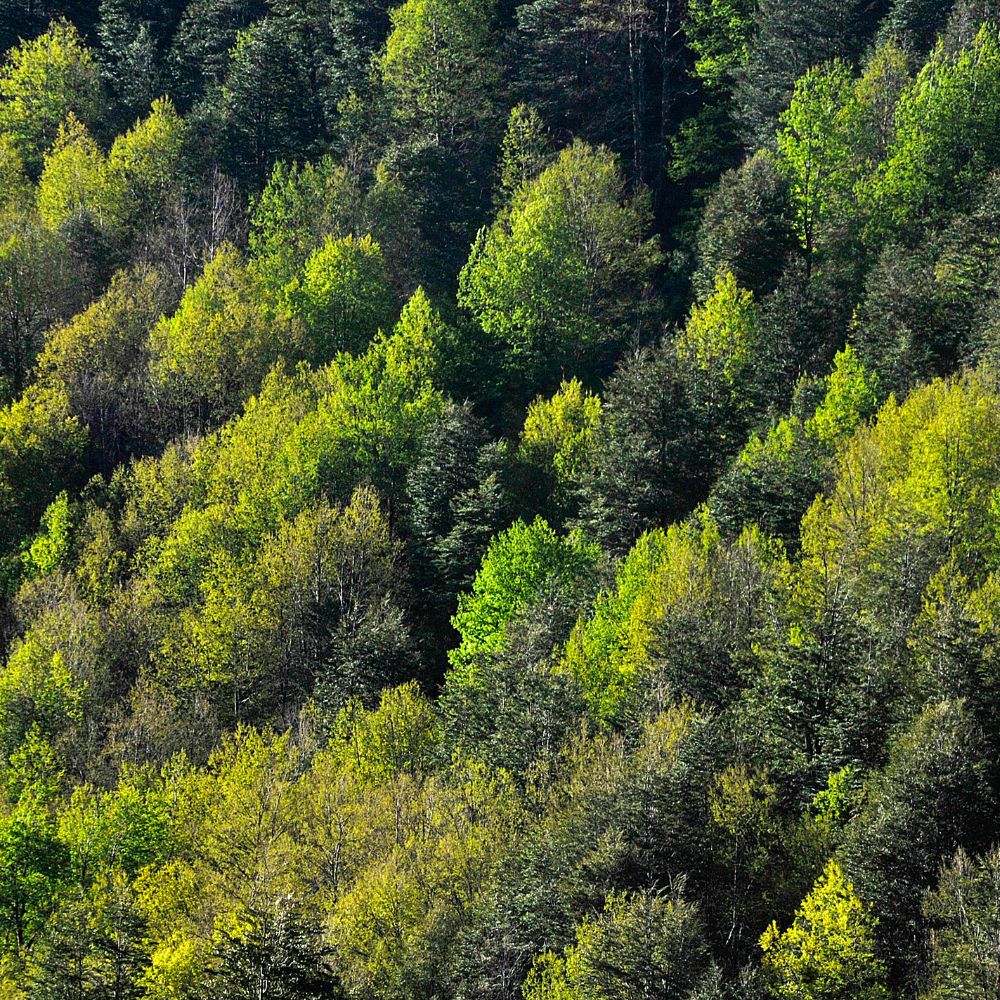
Native and forest trees are kinds of trees that naturally grow in a particular region and play an important role in forests and natural ecosystems. These trees provide food, shelter, and nesting places for wildlife while helping maintain healthy environments.
Tree Name | Appearance / Key Feature |
|---|---|
Eucalyptus | Tall tree with aromatic leaves and peeling bark |
Acacia | Often has umbrella-shaped branches and small leaves |
Baobab | Massive trunk that stores water |
Alder | Medium-sized tree commonly found near rivers |
Aspen | Round leaves that flutter in the wind |
Cottonwood | Large tree with broad leaves and thick trunk |
Hornbeam | Dense canopy and smooth gray bark |
Hackberry | Rough bark and small berry-like fruits |
Sycamore | Large leaves and mottled bark |
Poplar | Tall, fast-growing tree |
Beech | Smooth gray bark and broad crown |
Elm | Wide-spreading branches and vase-shaped canopy |
Birch | White or silver-colored bark |
Ash | Tall tree with compound leaves |
Maple | Known for colorful autumn foliage |
Oak | Strong trunk and acorn-producing branches |
Redwood | One of the tallest tree species in the world |
Sequoia | Massive trunk and enormous size |
Examples in Everyday English:
- Oak trees are common in many natural forests.
- Redwoods can grow taller than most other tree species.
- Aspen leaves move even in a light breeze.
- Eucalyptus trees are widely found across Australia.
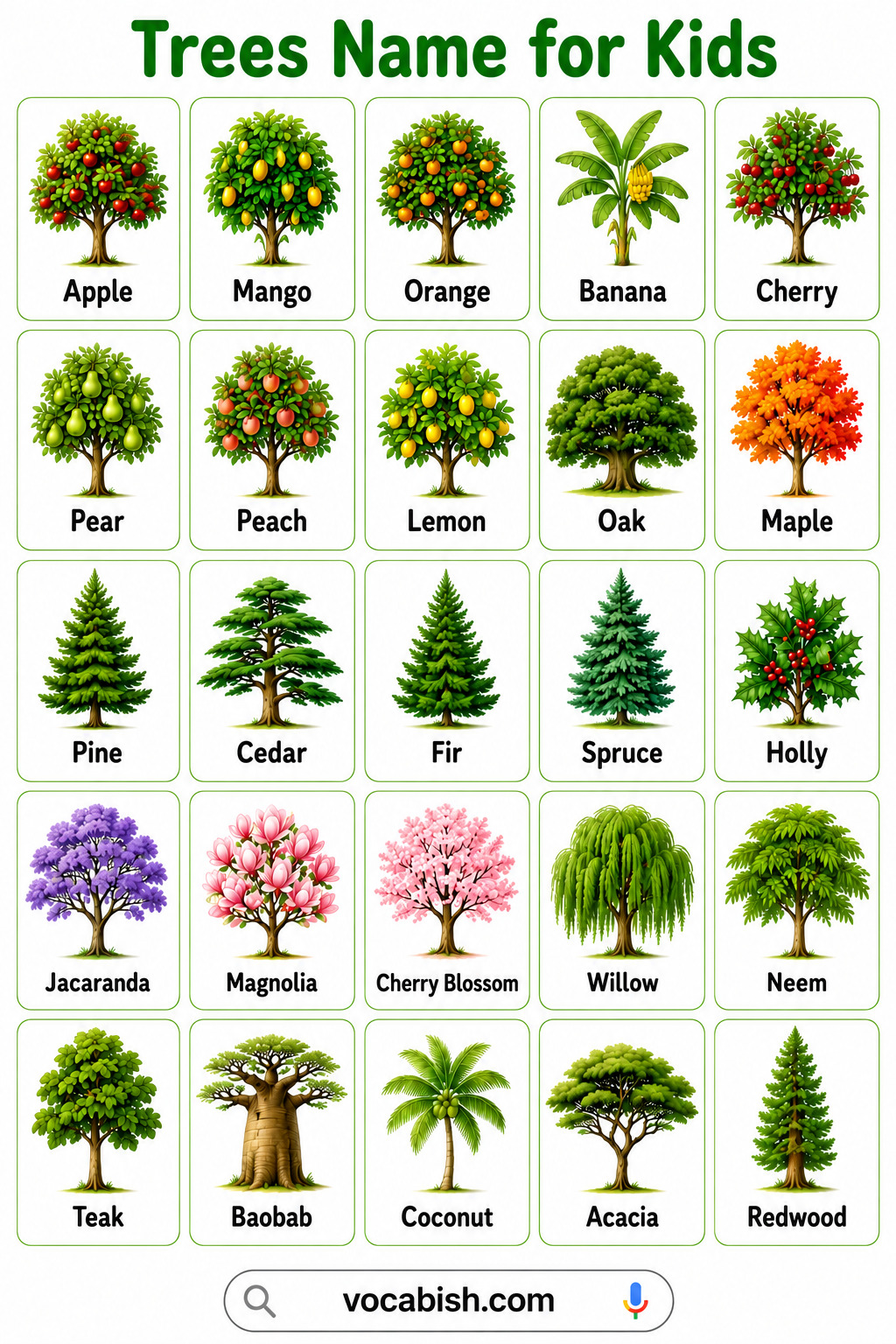
Tree Names for Kids with Pictures
Trees are very helpful in our daily lives. Some give us tasty fruits, some provide wood for furniture, and others make parks and gardens look beautiful.
- Apple Tree: Gives apples that people eat as snacks and use to make juice.
- Mango Tree: Produces sweet mangoes used in smoothies, desserts, and jams.
- Orange Tree: Gives juicy oranges rich in vitamin C.
- Banana Tree: Produces bananas, a healthy and popular fruit.
- Cherry Tree: Gives cherries and adds beauty to gardens with its flowers.
- Pear Tree: Produces pears that are eaten fresh or used in desserts.
- Peach Tree: Gives soft, sweet peaches for eating and making juice.
- Lemon Tree: Produces lemons used in drinks, cooking, and household cleaning.
- Oak Tree: Provides shade and strong wood. Its seeds are called acorns.
- Maple Tree: Gives shade and produces sap that can be turned into maple syrup.
- Pine Tree: Used as a Christmas tree and provides wood and resin.
- Cedar Tree: Provides wood for furniture, buildings, and fragrant products.
- Fir Tree: Commonly used as a Christmas tree and for timber.
- Spruce Tree: Used to make paper, wood products, and decorations.
- Holly Tree: Known for its bright berries and holiday decorations.
- Cherry Blossom Tree: Planted for its stunning pink blossoms and spring festivals.
- Neem Tree: Used in traditional medicine and as a natural insect repellent.
- Baobab Tree: Produces food and is used in traditional medicine.
- Coconut Tree: Gives coconuts used for food, oil, and building materials.
- Birch Tree: Used to make paper, furniture, and decorative items.
Fun Fact for Kids 🌳
Did you know? A single large tree can provide shade, clean the air, give a home to animals, and even produce food—all at the same time! Trees are some of nature’s most amazing helpers.
Common Trees Found Around the World
Some trees appear in many countries and are often among the first tree names students learn.
North America
- Maple
- Oak
- Pine
- Redwood
- Aspen
Europe
- Beech
- Birch
- Ash
- Elm
- Chestnut
Asia
- Banyan
- Neem
- Mango
- Teak
- Bamboo-like tree species
Africa
- Baobab
- Acacia
- Ebony
- Tamarind
Australia
- Eucalyptus
- Paperbark
- Acacia
A to Z List of Trees Chart
Here’s a comprehensive and easy guide to A to Z tree names that are arranged alphabetically for easy understanding:
- A: Acacia, Alder, Apple, Apricot, Arborvitae, Ash, Aspen, Avocado
- B: Baobab, Bald Cypress, Banyan, Beech, Birch, Black Cherry, Black Locust, Blue Spruce, Buckeye
- C: Catalpa, Cedar, Cherry, Chestnut, Coconut, Crape Myrtle, Cypress
- D: Dogwood, Douglas Fir, Dragon Tree, Durian
- E: Ebony, Elm, Eucalyptus
- F: Fig, Fir, Frangipani
- G: Ginkgo, Golden Shower Tree, Grapefruit, Guava
- H: Hackberry, Hawthorn, Hemlock, Hickory, Honey Locust
- I: Ironwood, Italian Cypress
- J: Jackfruit, Jacaranda, Japanese Cedar, Juniper
- K: Kapok, Kentucky Coffeetree, Koa
- L: Lawson Cypress, Lemon, Lime, Linden, Live Oak, Lychee
- M: Magnolia, Mahogany, Mango, Maple, Monkey Puzzle, Mulberry
- N: Neem, Norfolk Pine
- O: Oak, Olive, Orange, Orchid Tree
- P: Palo Verde, Paperbark, Peach, Pear, Persimmon, Pine, Plum, Pomegranate
- Q: Quaking Aspen
- R: Red Oak, Redwood, River Birch, Rowan, Royal Poinciana, Rubber Tree
- S: Sandalwood, Sassafras, Scotch Pine, Sequoia, Serviceberry
- T: Tamarind, Teak, Tulip Tree
- U: Umbrella Thorn Acacia
- V: Velvet Ash
- W: Walnut, White Ash, White Oak, White Pine, Willow
- X: Xylosma
- Y: Yellowwood, Yew
- Z: Zebrawood Tree, Zelkova Tree
You May Also Like:
- All Parts of a Tree Names with Functions
- Parts of a Plant with Diagram
- Parts of a Flower and Functions
How to Identify Different Types of Trees
Tree identification becomes easier when you observe a few key features.
1. Look at the Leaves:
- Shape
- Size
- Color
- Edge pattern
2. Check the Bark:
- Smooth
- Rough
- Peeling
- Deeply cracked
3. Observe Fruits or Cones:
- Acorns indicate oak trees.
- Pine cones indicate pine trees.
- Apples grow on apple trees.
4. Notice the Overall Shape: Some trees are tall and narrow, while others spread widely.
Tree Vocabulary for English Learners
Here are some words related to tree and tree parts that you should know about:
Word | Meaning |
|---|---|
Trunk | Main stem of a tree |
Branch | Large limb growing from the trunk |
Twig | Small branch |
Leaf | Green part that grows on branches |
Bark | Outer covering of the trunk |
Root | Underground part of the tree |
Crown | Upper part of the tree |
Cone | Seed-bearing structure of conifers |
Acorn | Oak tree seed |
Evergreen | Tree that stays green year-round |
Deciduous | Tree that sheds leaves seasonally |
FAQs about Types of Trees
The main categories of trees are deciduous trees, evergreen trees, coniferous trees, fruit trees, and flowering trees, each with distinct growth characteristics.
Some common trees include Oak, Maple, Pine, Cedar, Mango, Apple, Fir, Birch, Teak, and Cherry Blossom.
Deciduous trees lose leaves during certain seasons, while evergreen trees keep most of their foliage throughout the year and remain green longer.
The coast redwood is widely recognized as the tallest tree species, with some individual trees growing well above 300 feet.
Common tree names in English include oak, maple, pine, cedar, birch, willow, elm, ash, cherry, and apple.
Trees lose leaves to conserve water and energy during colder or drier seasons, helping them survive challenging environmental conditions.
Pine, cedar, fir, spruce, cypress, and juniper are examples of evergreen trees that remain green throughout most seasons.
Check the leaves, bark, fruit, seeds, flowers, and overall shape. These features often provide enough clues for accurate identification.
Conclusion
Learning different types of trees is a useful way to build nature vocabulary and improve English skills. By understanding deciduous trees, evergreen trees, and other categories of trees, you can identify many species you see in parks, forests, gardens, and neighborhoods. The 110 tree names above provide a strong foundation for expanding your knowledge of tree names in English.