
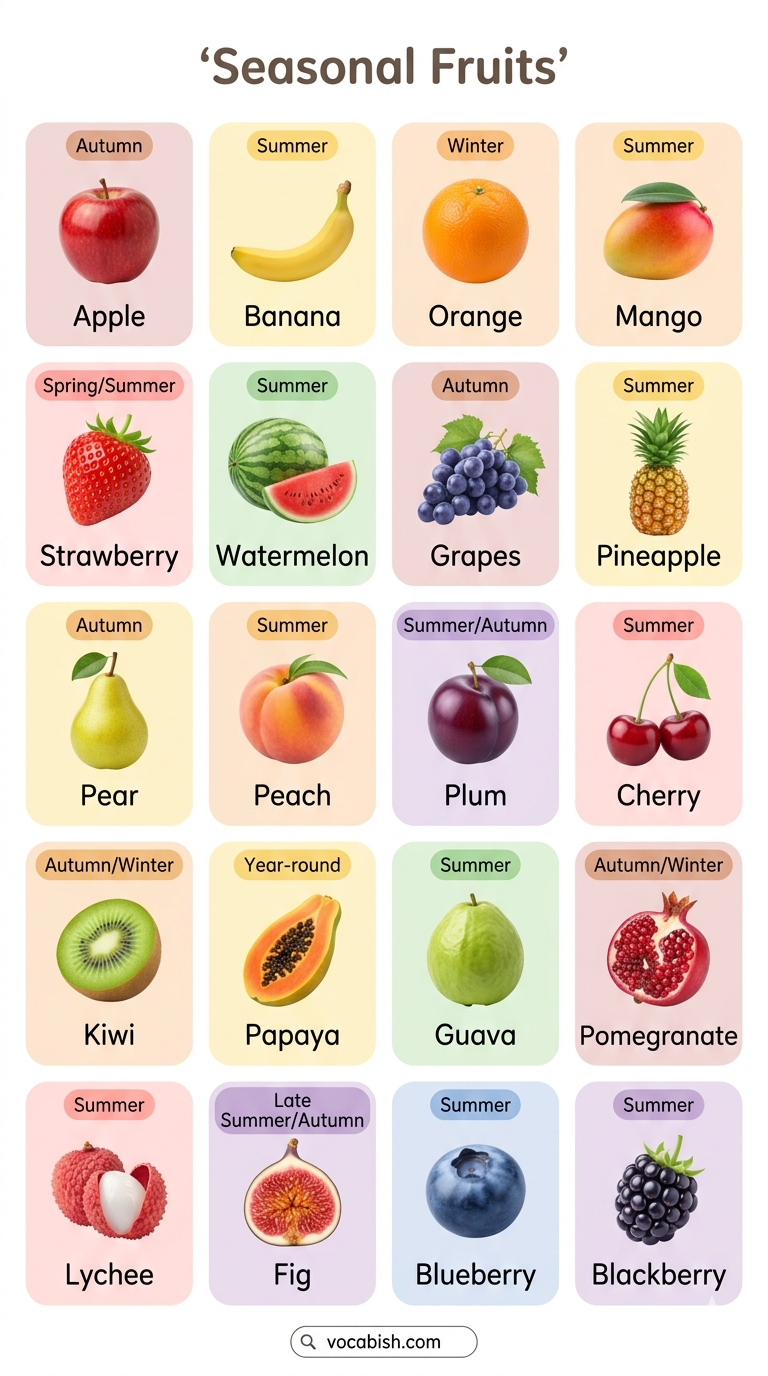
Learning vocabulary related to food helps build strong everyday English skills, and one useful topic is Seasonal Fruits Names in English with Their Pictures. These are words that describe fruits available at different times of the year, such as mango in summer or orange in winter. Understanding these names helps learners talk about shopping, health, and daily meals with more confidence.
In this blog post, you will learn how different fruits belong to different seasons and how to recognize them in real-life situations like markets or conversations. It also helps improve speaking, reading, and writing because these fruit names are commonly used in daily English. By studying them, learners can also strengthen their listening skills when hearing these words in conversations, videos, or lessons.
Seasonal Fruits Meaning
Seasonal fruits are fruits that grow and ripen during a specific time of the year. Each season offers different fruits depending on weather conditions like temperature, sunlight, and rainfall. Eating fruits in their natural season means better taste, higher nutrition, and fresher quality.
Common Seasonal Fruits in English with Pictures
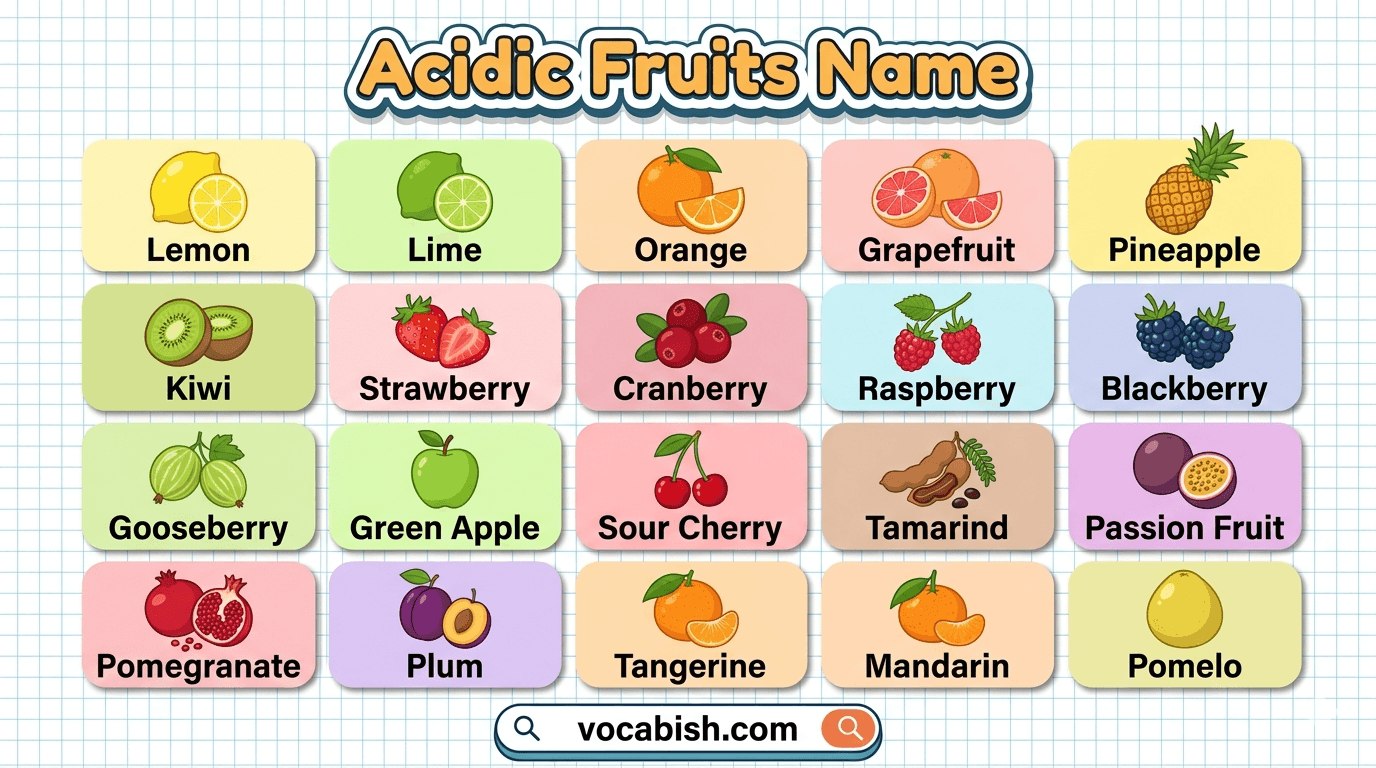
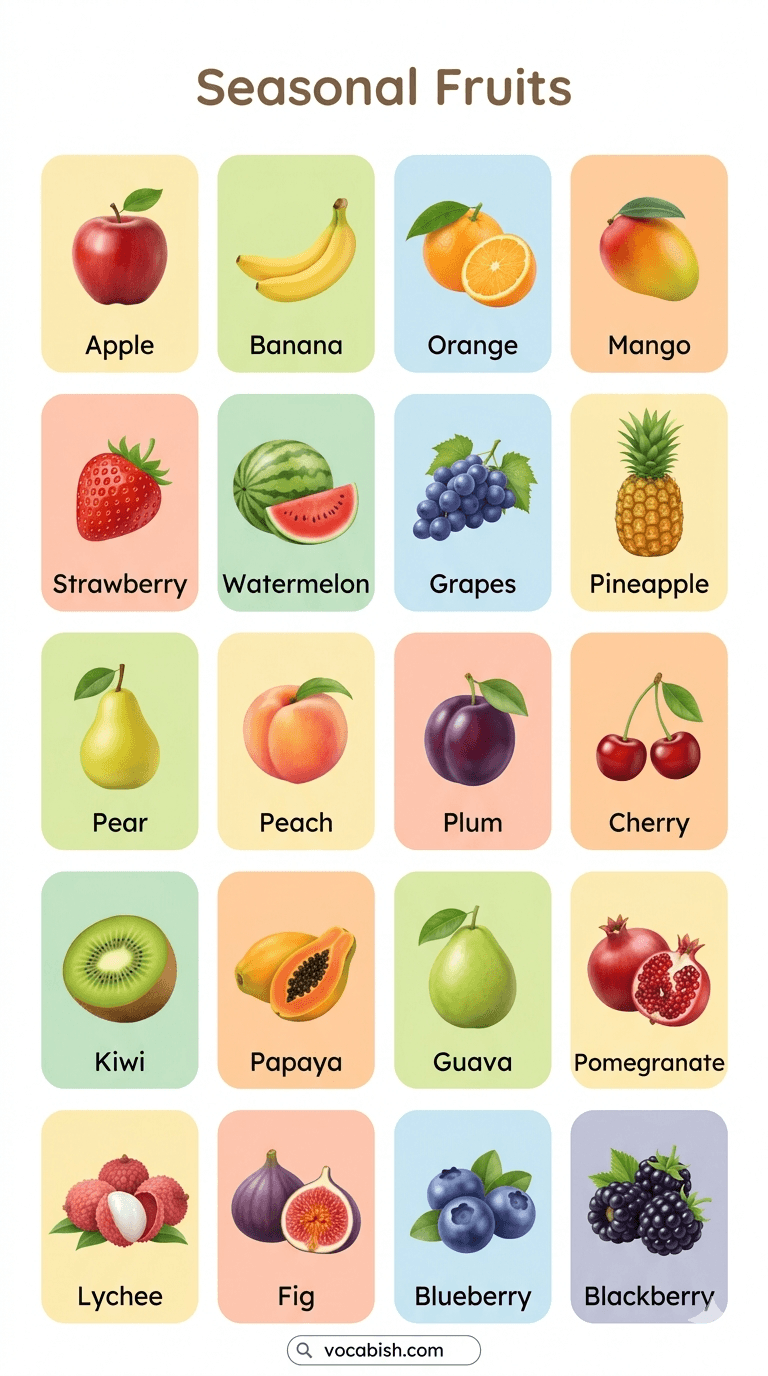
- Pomegranate: Red fruit with many seeds, sweet and slightly sour taste
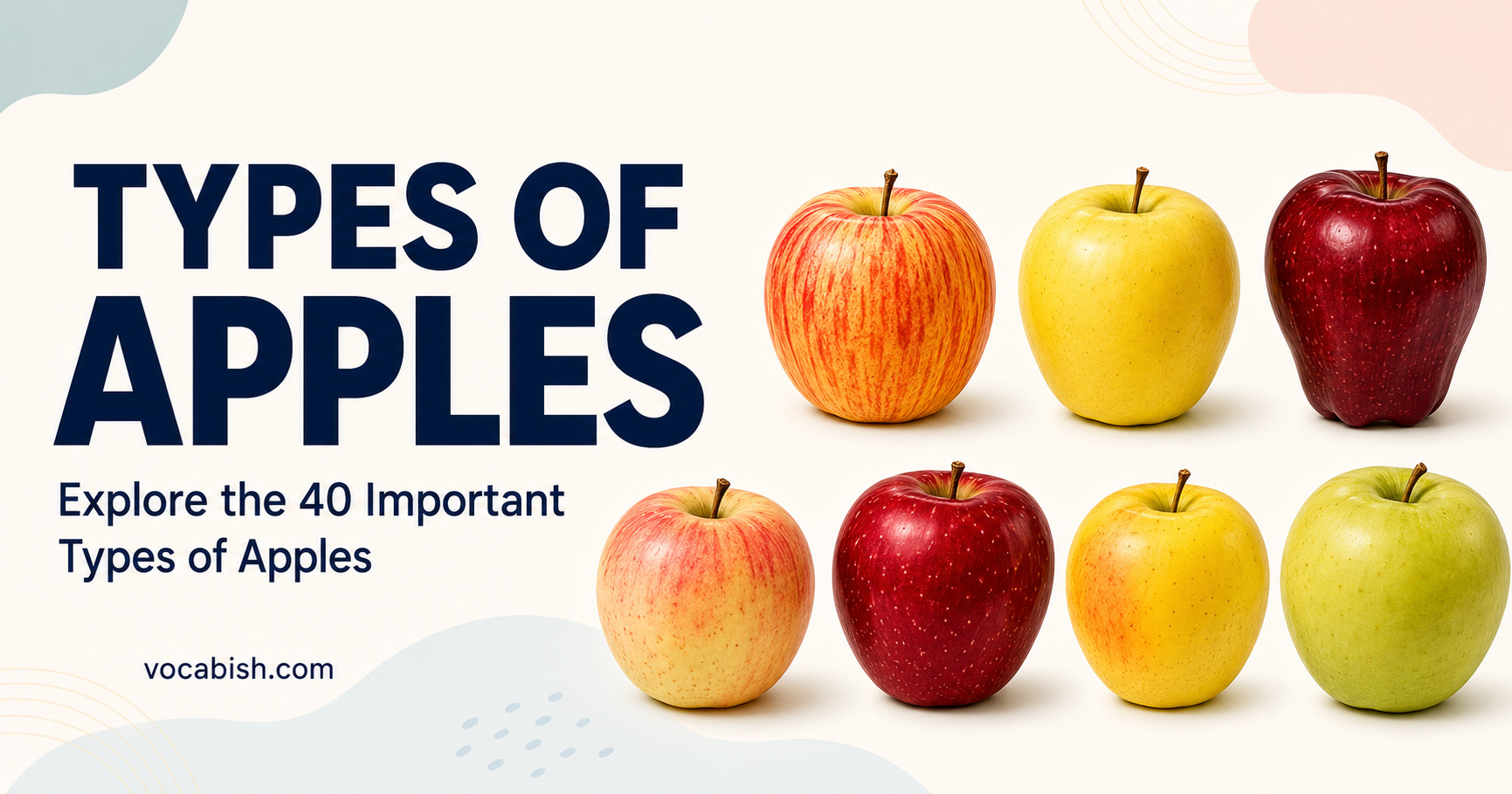
- Apple: Sweet and crunchy fruit, rich in fiber, commonly eaten fresh or cooked
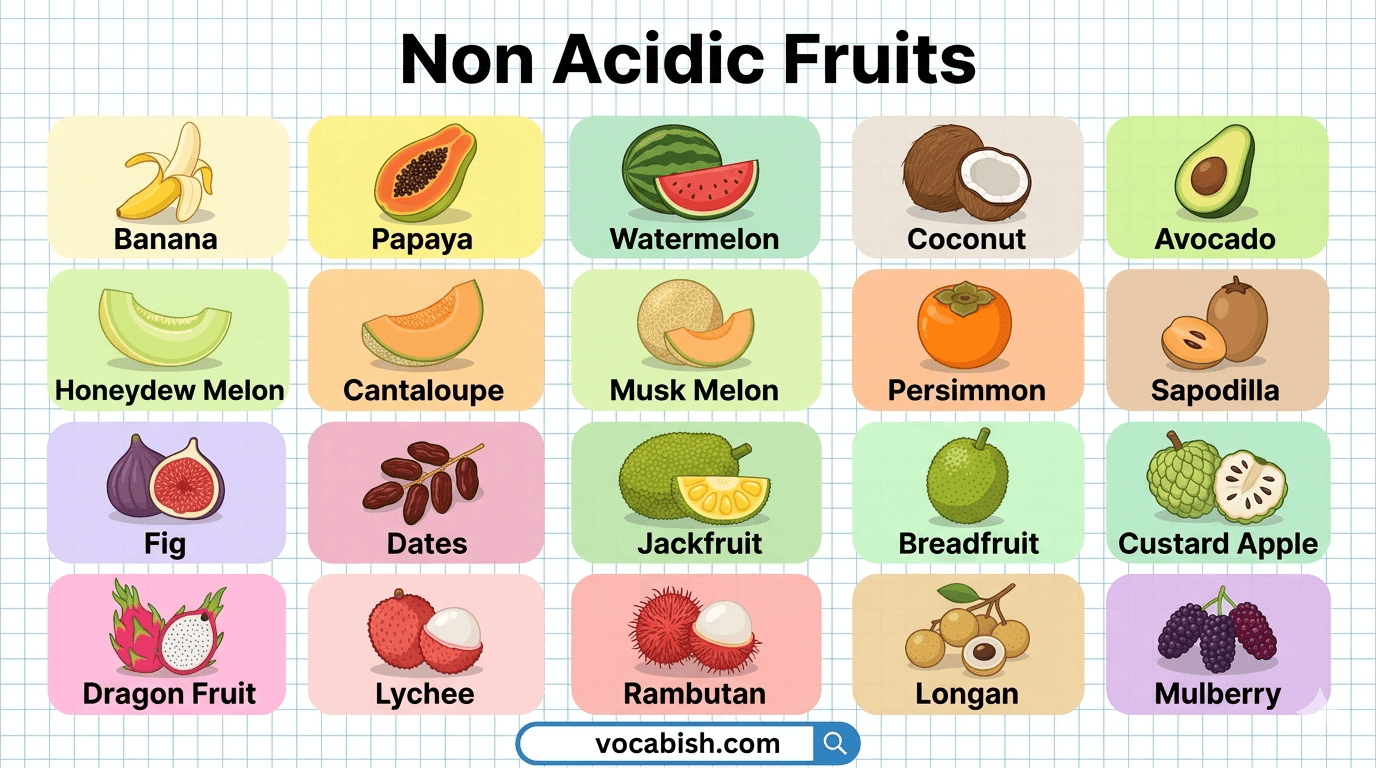
- Banana: Soft and creamy fruit, high in energy, easy to eat anytime
- Orange: Juicy citrus fruit, full of vitamin C, supports immune system health
- Mango: Tropical fruit, very sweet and juicy, popular during hot summer months
- Strawberry: Small red fruit, slightly sweet and sour, used in desserts and drinks
- Grapes: Small round fruits, eaten fresh or dried into raisins for snacks
- Watermelon: Large fruit with high water content, perfect for cooling in summer
- Pineapple: Tropical fruit with sweet and sour taste, used in juices and salads
- Peach: Soft fruit with fuzzy skin, sweet taste, commonly eaten fresh
- Cherry: Small red fruit, sweet or sour, often used in cakes and jams
- Pear: Soft and juicy fruit, mild sweetness, good for digestion and snacks
- Plum: Small fruit with smooth skin, sweet and slightly sour flavor
- Kiwi: Small brown fruit with green inside, rich in vitamins and fiber
- Papaya: Soft tropical fruit, orange inside, helps digestion and gut health
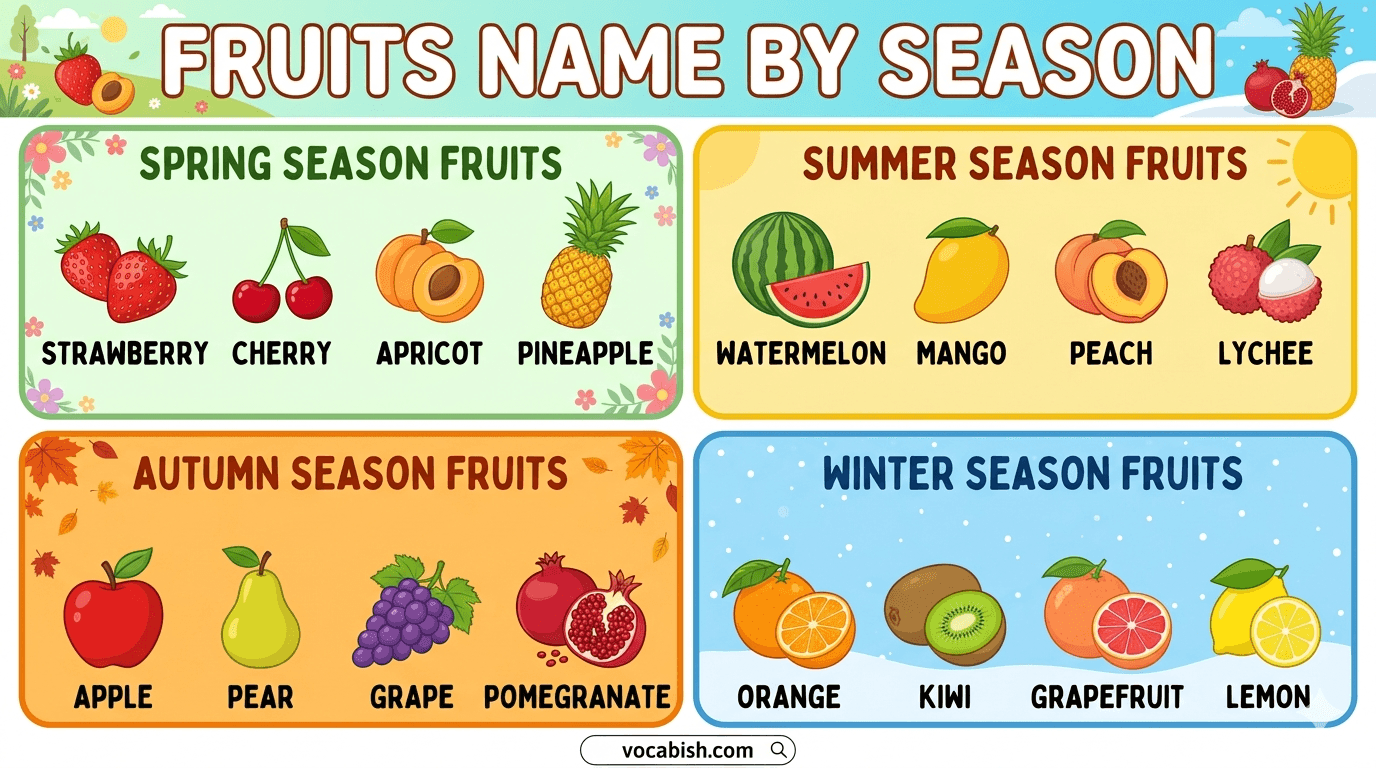
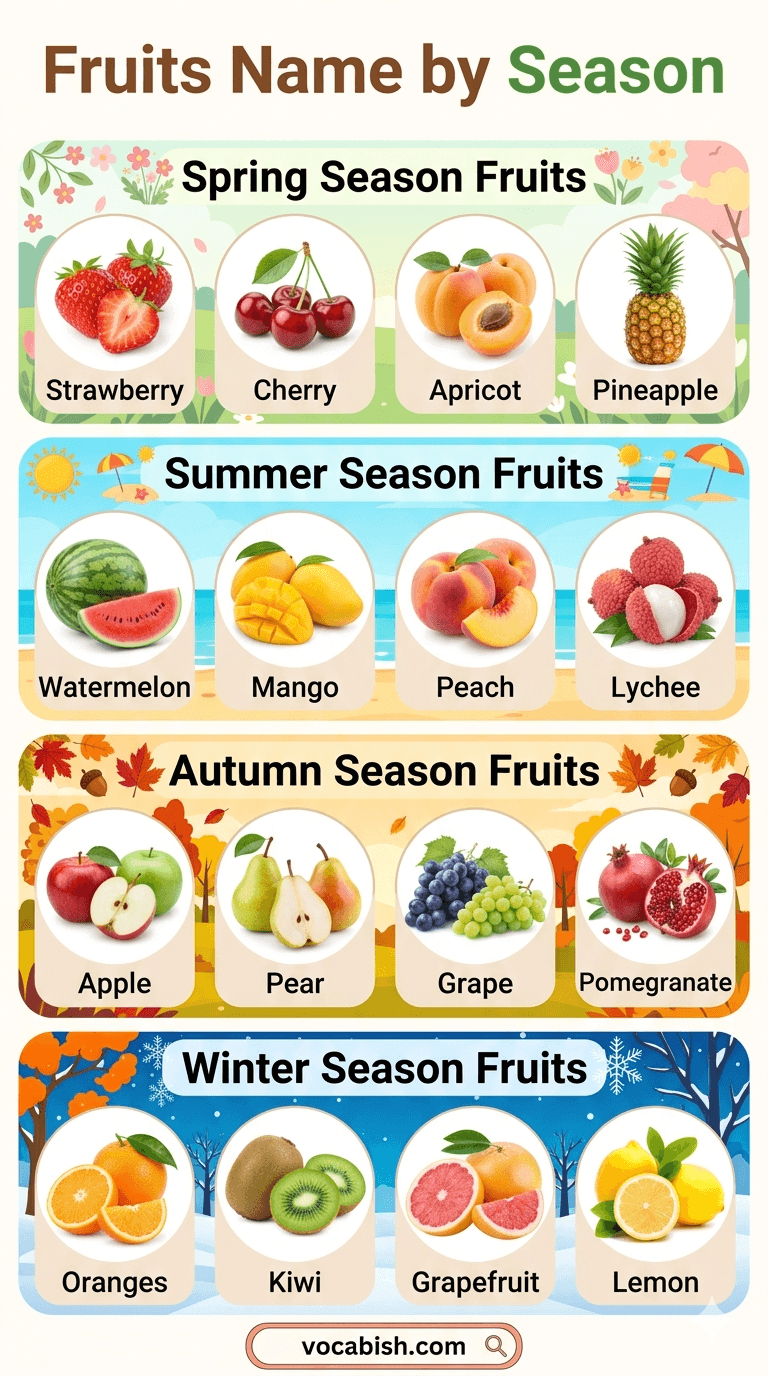
Spring Season Fruits Names
Spring brings fresh and light fruits that grow in mild weather.
- Strawberry
- Cherry
- Apricot
- Pineapple
- Mango (early varieties)
- Lemon
- Loquat
- Mulberry
- Rhubarb
- Grapefruit
Summer Season Fruits Names
Summer fruits are juicy and refreshing, helping the body stay cool.
- Watermelon
- Mango
- Peach
- Plum
- Lychee
- Papaya
- Guava
- Fig
- Blueberry
- Blackberry
- Raspberry
- Nectarine
- Melon
- Dragon Fruit
- Passion Fruit
Autumn Season Fruits Names
Autumn fruits are rich in flavor and often used in cooking and baking.
- Apple
- Pear
- Grape
- Pomegranate
- Fig
- Cranberry
- Persimmon
- Quince
- Date
- Olive
Winter Season Fruits Names
Winter fruits are mostly citrus and help protect health in cold weather.
- Orange
- Mandarin
- Tangerine
- Clementine
- Lemon
- Lime
- Kiwi
- Grapefruit
- Banana
- Custard Apple
- Star Fruit
- Sapodilla
Seasonal Availability of Popular Fruits
Knowing fruit seasons helps you choose fruits that are fresher, tastier, and more healthy. Below is a list of popular fruits and when they are usually in season, along with their pictures.
Avocado fruit season
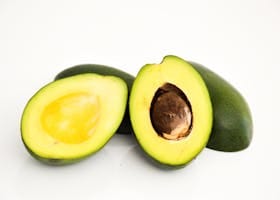
Avocados are mostly in season from late winter to early autumn in many regions. They are widely available year-round in some countries due to global farming and controlled storage.
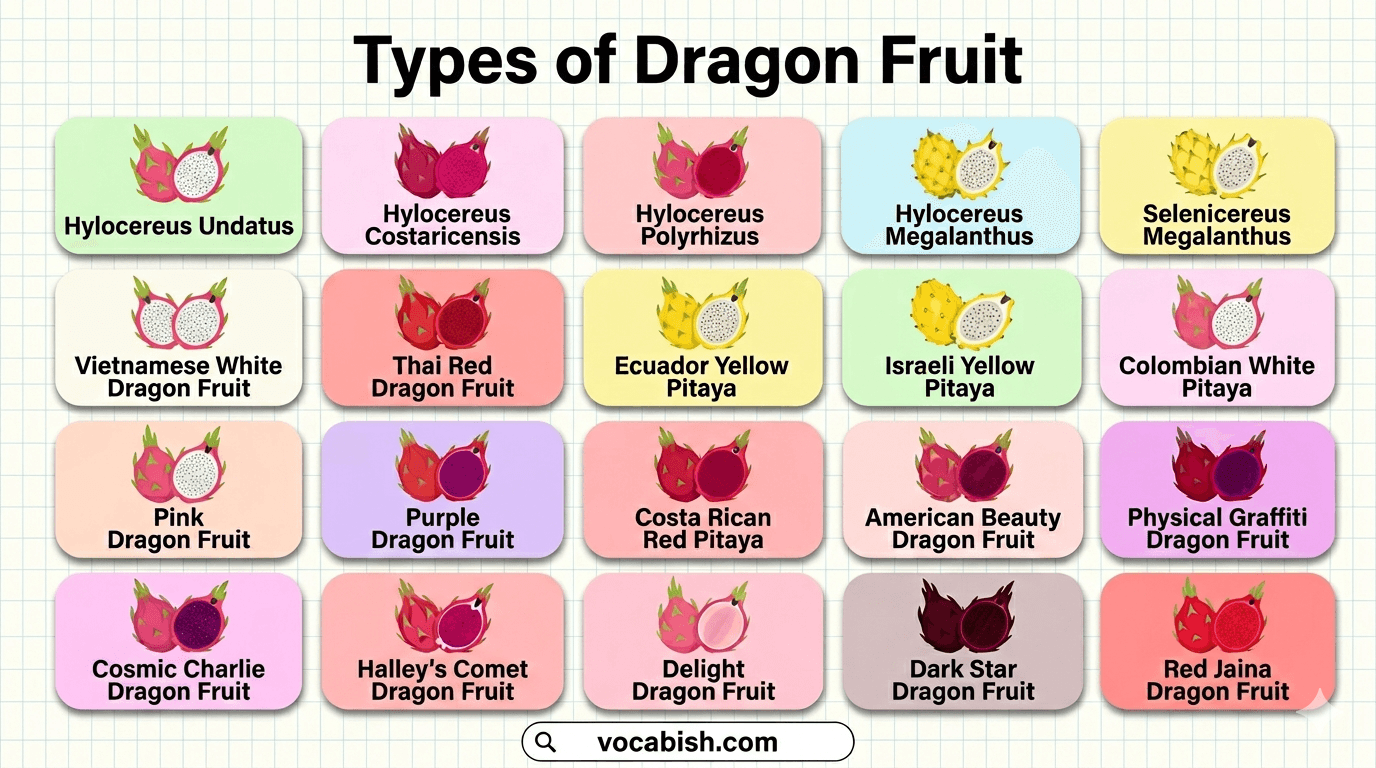
Dragon fruit season

Dragon fruit is mainly in season during summer and early autumn. It grows in warm climates and is harvested when the fruit skin becomes bright and slightly soft.
Blackberry fruit season
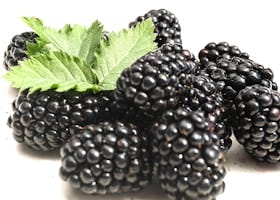
Blackberries are typically in season during mid to late summer. They are harvested when fully dark in color and are commonly used in desserts, jams, and fresh eating.
Passion fruit season
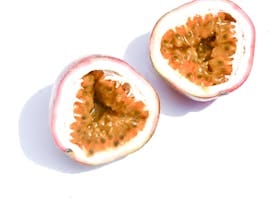
Passion fruit is usually in season from late summer to early winter. It develops a wrinkled skin when ripe and has a strong sweet-sour tropical flavor.
Citrus fruits season
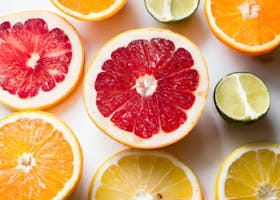
Citrus fruits like oranges, lemons, and grapefruits are mainly in season during winter and early spring. They are rich in vitamin C and help support immunity.
Lychee fruit season
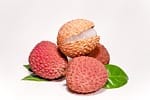
Lychee is a summer fruit, commonly in season during late spring and early summer. It has a sweet, floral taste and is eaten fresh after peeling the skin.
Kiwi fruit season

Kiwi fruit is typically in season from autumn to early spring. It is harvested when slightly soft and is known for its green flesh and high vitamin C content.
Papaya fruit season
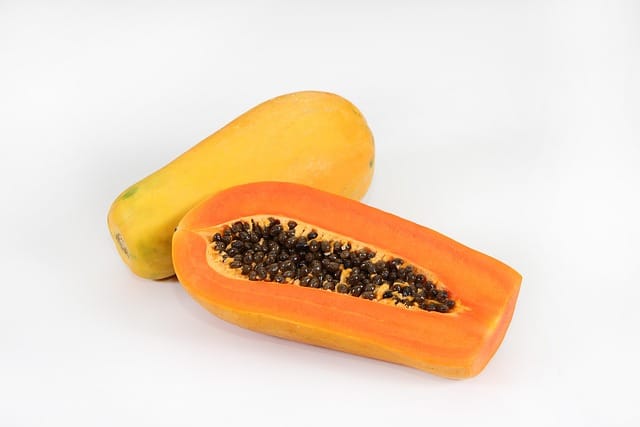
Papaya is available in many regions throughout the year, but its main season is in warm months. It is eaten when the skin turns yellow-orange and soft.
Stone fruit season
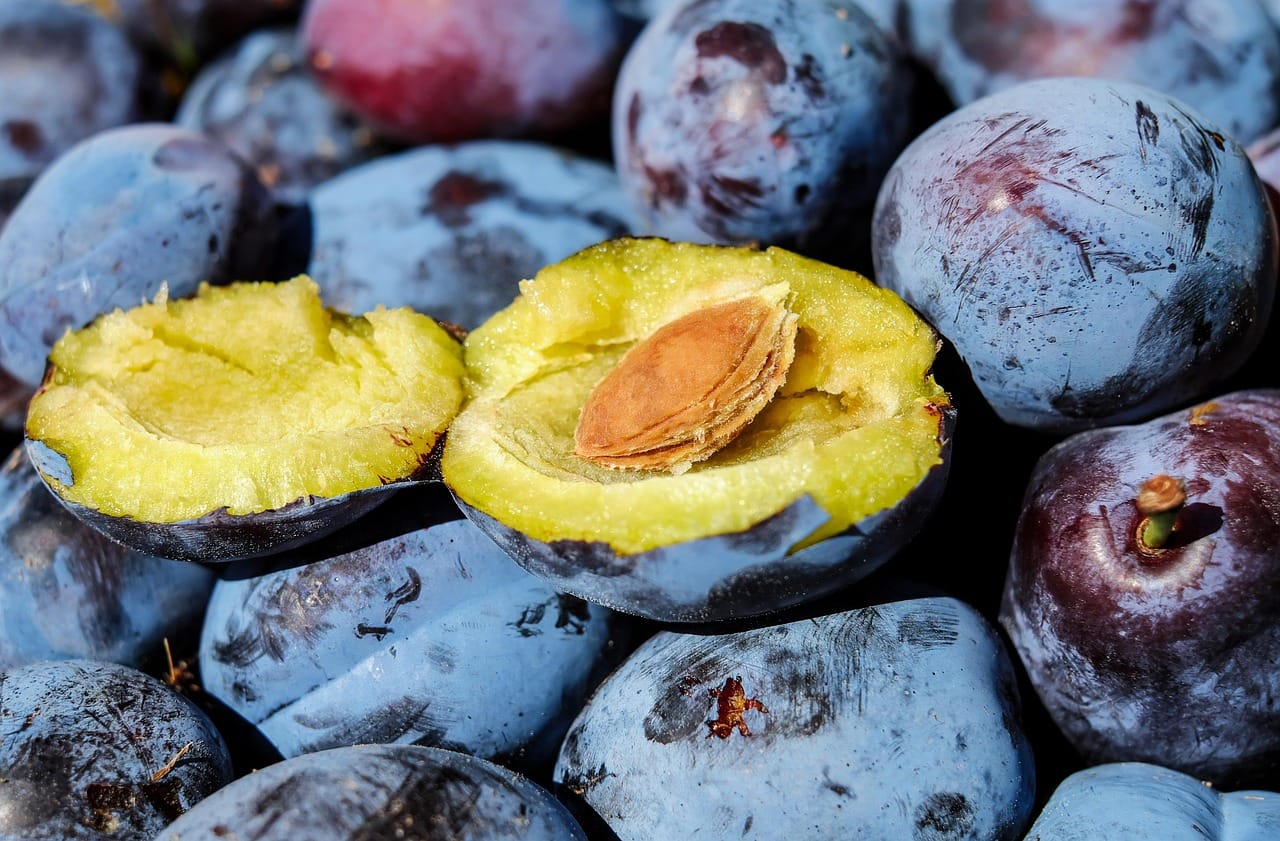
Stone fruits like peach, plum, cherry, and apricot are mainly in season during late spring and summer. They have a large seed or “stone” inside the fruit.
Mango fruit season
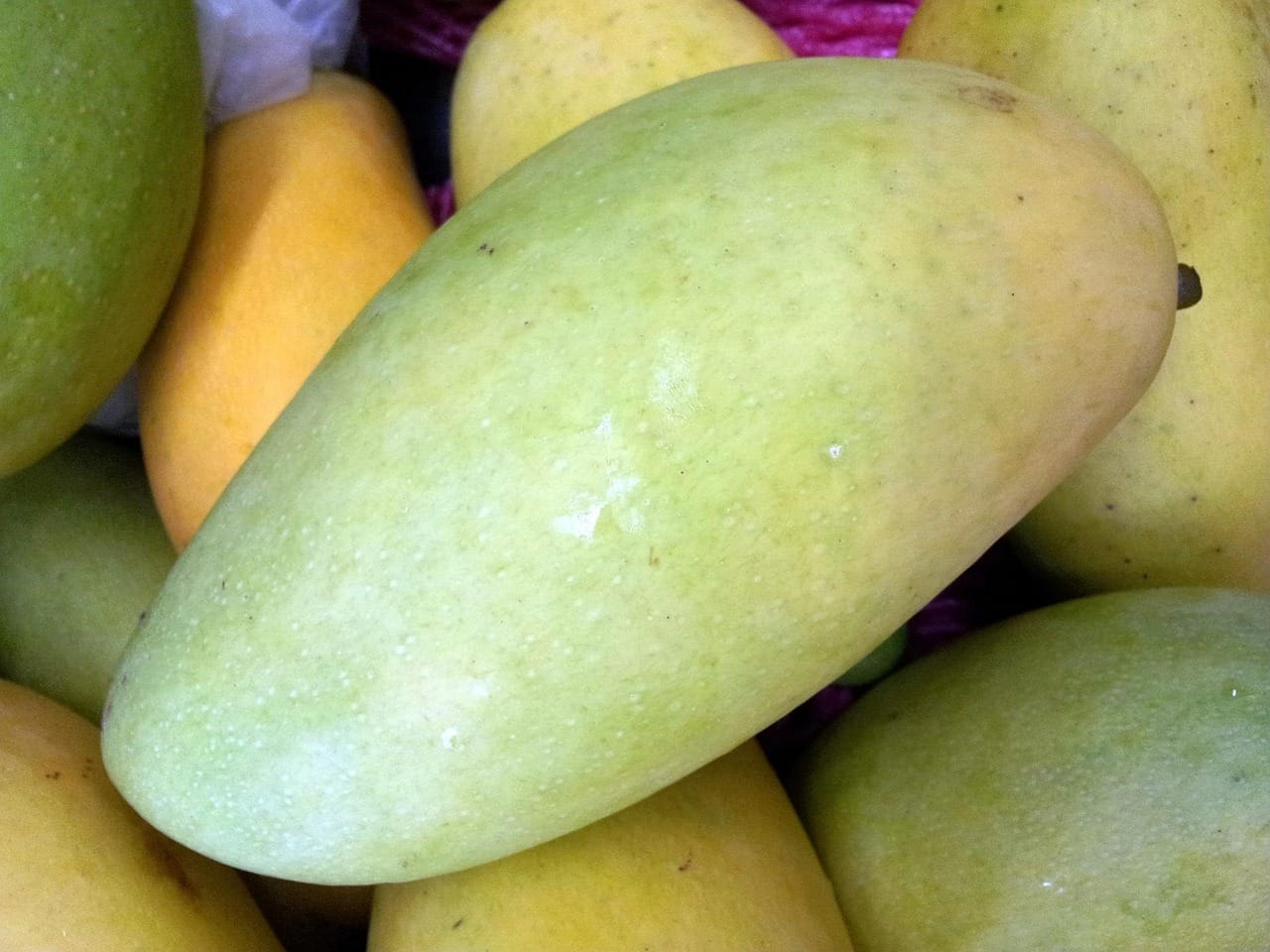
Mango is a summer fruit, typically in season from late spring to mid-summer. It becomes sweet, juicy, and aromatic when fully ripe.
Orange fruit season
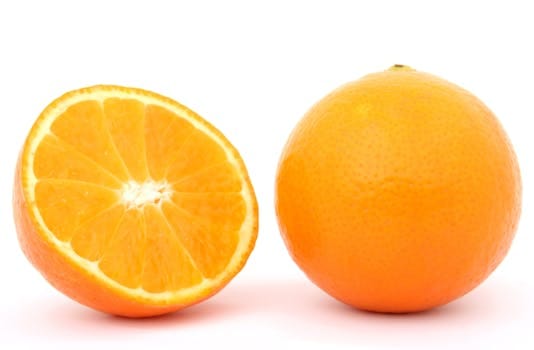
Oranges are mainly in season during winter months. They are widely consumed fresh or as juice and are known for their high vitamin C content.
Cherry season fruit
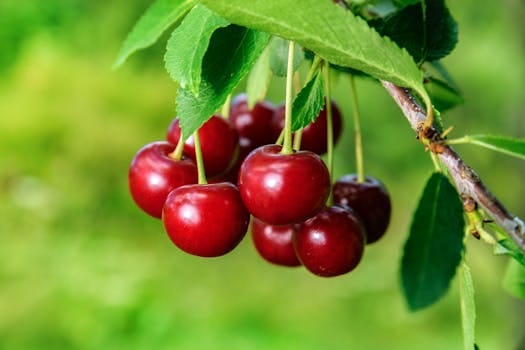
Cherries are in season during late spring and early summer. They are small, juicy fruits that can be sweet or slightly sour depending on the variety.
List of Seasonal Fruits Name by Season
Spring Fruits | Summer Fruits | Autumn Fruits | Winter Fruits |
|---|---|---|---|
Strawberry | Watermelon | Apple | Orange |
Cherry | Mango | Pear | Mandarin |
Apricot | Peach | Grape | Tangerine |
Pineapple | Plum | Pomegranate | Clementine |
Mango | Lychee | Fig | Lemon |
Lemon | Papaya | Cranberry | Lime |
Loquat | Guava | Persimmon | Kiwi |
Mulberry | Blueberry | Quince | Grapefruit |
Rhubarb | Blackberry | Date | Banana |
Grapefruit | Raspberry | Olive | Custard Apple |
Nectarine | Star Fruit | ||
Melon | Sapodilla | ||
Dragon Fruit | |||
Passion Fruit |
Seasonal Fruits Chart by Months
Month | Fruits Names |
|---|---|
January | Orange, Apple, Kiwi, Grapefruit, Banana |
February | Orange, Lemon, Apple, Kiwi, Banana |
March | Strawberry, Pineapple, Mango, Lemon, Grapefruit |
April | Strawberry, Cherry, Apricot, Pineapple, Mango |
May | Mango, Cherry, Apricot, Strawberry, Loquat |
June | Mango, Peach, Plum, Lychee, Watermelon |
July | Watermelon, Peach, Plum, Blueberry, Raspberry |
August | Watermelon, Melon, Fig, Guava, Nectarine |
September | Apple, Pear, Grape, Fig, Pomegranate |
October | Apple, Pear, Grape, Persimmon, Cranberry |
November | Apple, Pear, Pomegranate, Orange, Quince |
December | Orange, Mandarin, Apple, Kiwi, Grapefruit |
Related Articles:
FAQs about Seasonal Fruits
Seasonal fruits are fruits that naturally grow and ripen at specific times of the year. They depend on weather conditions and are fresher, tastier, and more nutritious when eaten in their correct season.
Seasonal fruits are important because they provide better taste, higher nutrition, and lower cost. They also support natural farming cycles and are healthier compared to out-of-season stored fruits.
Summer seasonal fruits include watermelon, mango, peach, plum, and lychee. These fruits contain high water content and help keep the body cool and hydrated during hot weather.
Winter seasonal fruits include orange, mandarin, kiwi, grapefruit, apple, and lemon. These fruits are rich in vitamin C and help strengthen immunity during cold weather conditions.
Spring fruits include strawberry, cherry, apricot, pineapple, and early mango varieties. These fruits are fresh, light, and commonly appear when the weather becomes warmer.
Autumn fruits include apple, pear, grape, pomegranate, fig, and persimmon. These fruits are widely harvested and often used for eating fresh, cooking, and making juices.
Yes, seasonal fruits are generally healthier because they are naturally ripened. They contain better nutrients, fewer preservatives, and offer improved taste compared to artificially stored fruits.