
Dates fruits are sweet, natural snacks that come in many popular varieties, such as Medjool, Ajwa, and Deglet Noor. Knowing the names of these tasty treats is a fantastic way to grow your everyday English vocabulary.
In this post, we will explore different types of dates with pictures so you can easily recognize them in markets and recipes. By learning these simple words, you will feel much more confident talking, writing, and shopping for healthy foods!
Dates Fruit Meaning
Dates are sweet, chewy fruits that grow on date palm trees in warm climates. They have been cherished for thousands of years as a natural, healthy snack and remain a staple food in many cultures today.
Nutritional Value of Dates
These fruits are small powerhouses of health. They are packed with natural energy, dietary fiber, essential vitamins, and minerals like potassium. Because of this, they are great for digestion and serve as a perfect natural alternative to refined sugar.
Why Dates are Popular Worldwide
People across the globe love dates because they are delicious, easy to store, and versatile in both sweet and savory recipes. Beyond their taste, they also hold deep cultural and religious importance in many traditions, especially during times of fasting and celebration.
How Many Types of Dates Fruit are There?
Dates are generally classified into three main categories based on how much moisture they contain. Understanding this simple classification helps you choose the exact right type of date for snacking, baking, or storing.
Soft Dates
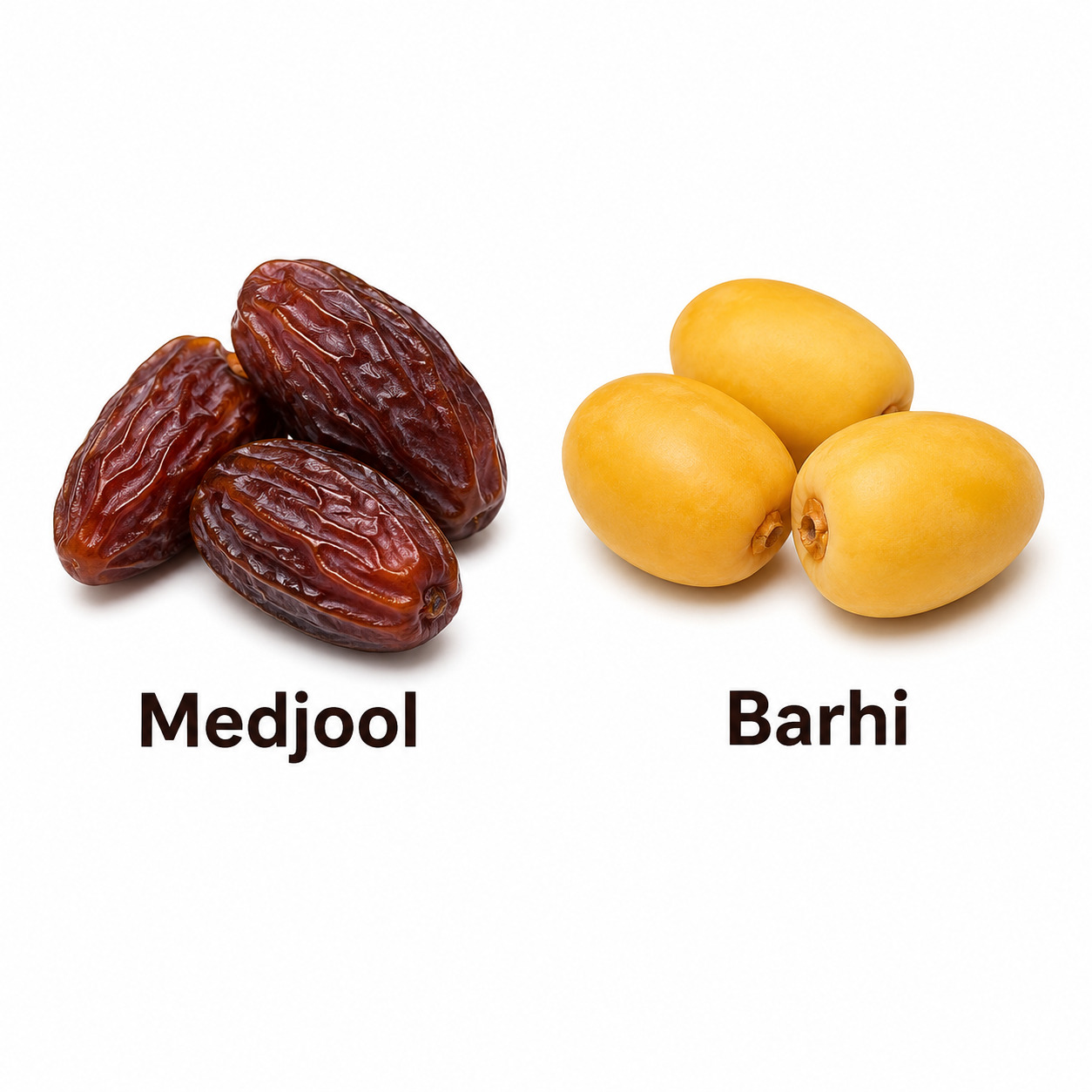
These dates have a high water content, making them very juicy and incredibly sweet. They boast a tender, melt-in-the-mouth texture and are usually best enjoyed fresh.
Examples: Medjool (known for its large size and rich, caramel flavor) and Barhi (very soft and syrupy).
Semi-Dry Dates
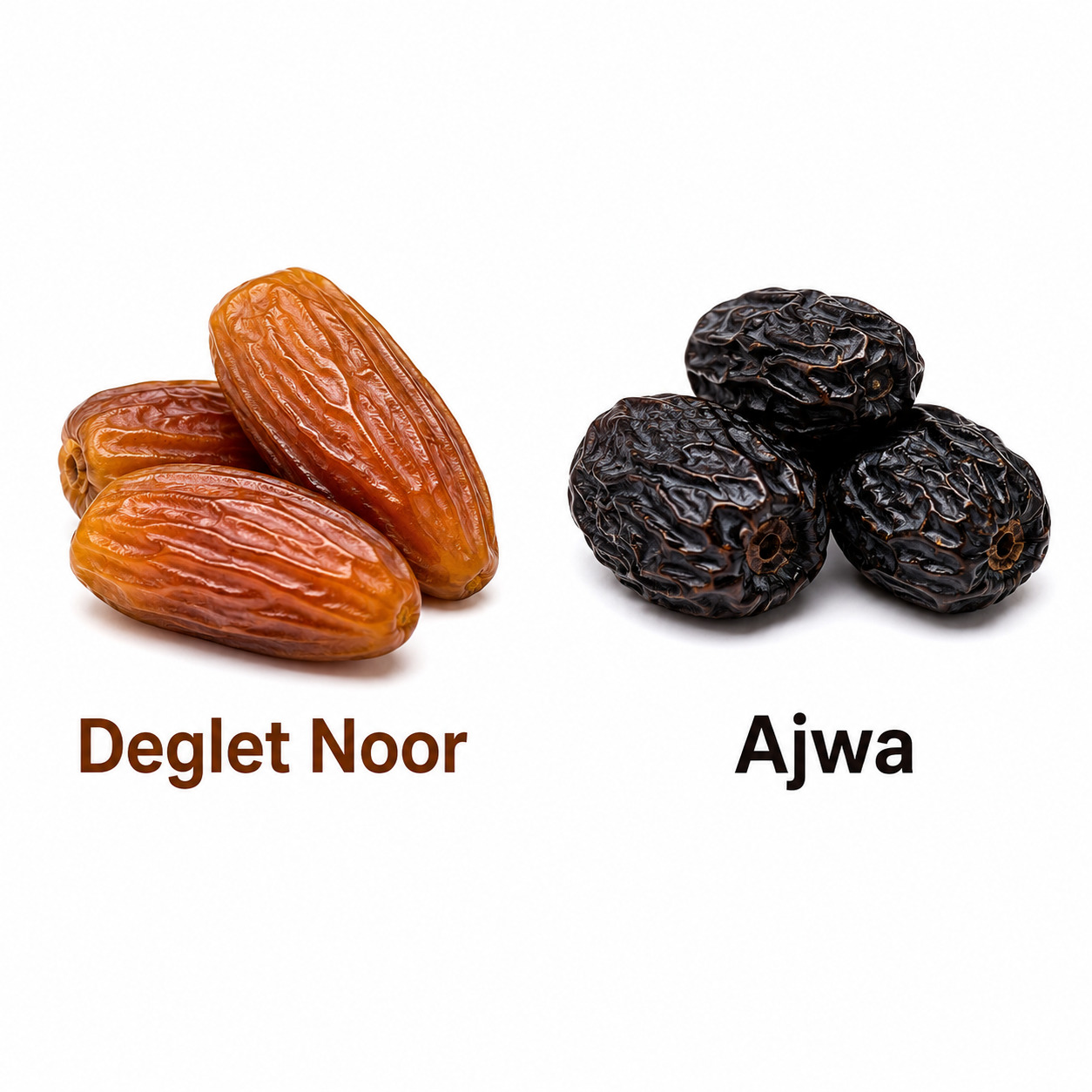
With slightly less moisture, these dates have a firmer, chewy texture. They are the most popular type found in stores because they hold their shape perfectly, making them excellent for both quick snacking and everyday recipes.
Examples: Deglet Noor (often called the “queen of dates,” excellent for baking) and Ajwa (dark, chewy, and highly revered).
Dry Dates
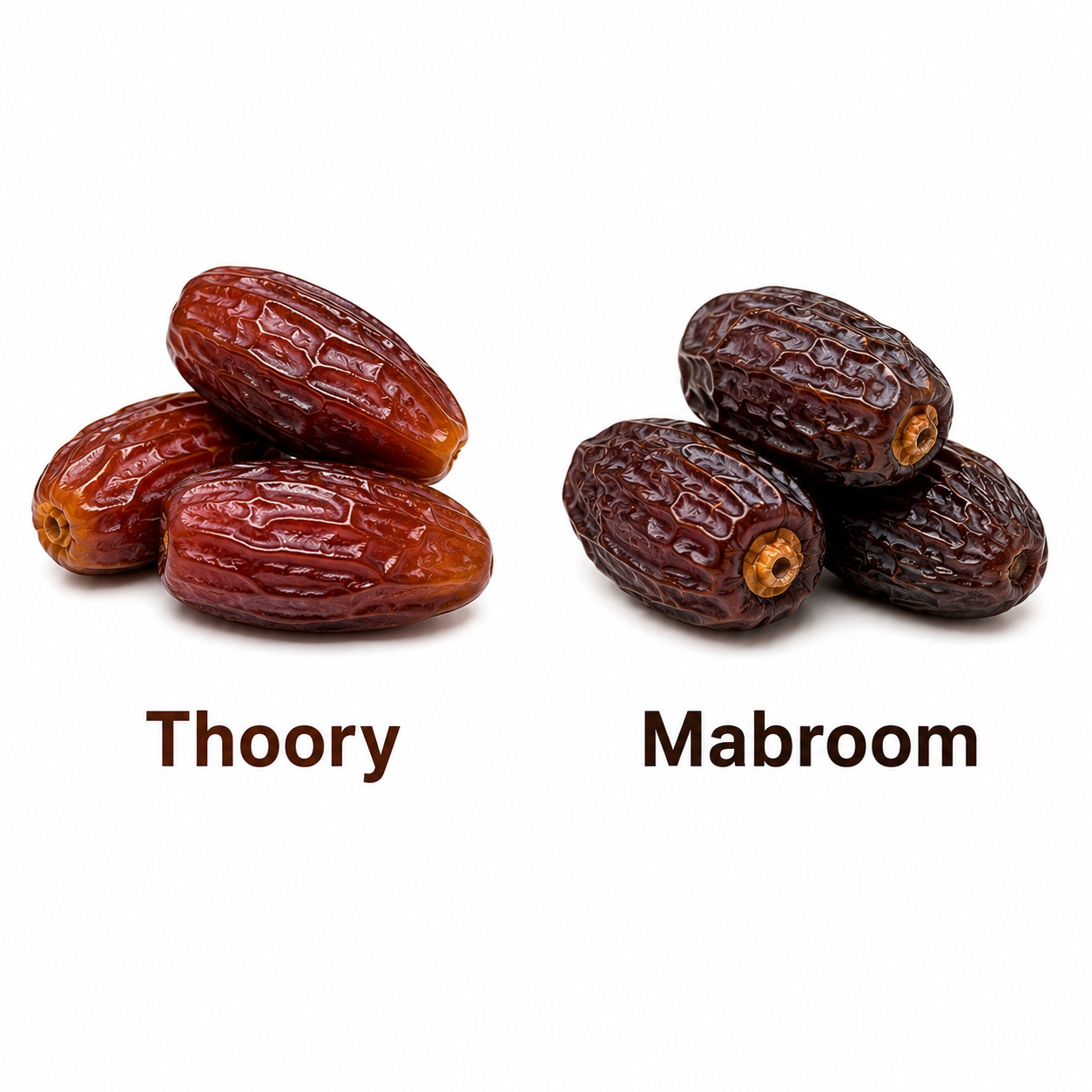
These dates contain very little moisture, giving them a much harder texture and an incredibly long shelf life. Because they are so firm, they are often soaked in water or milk before eating to make them soft and easily digestible.
Examples: Thoory (famous as the “bread date” because of its firm, pastry-like texture) and Mabroom (long, firm, and mildly sweet).
Common Types of Dates Fruit with Names and Pictures
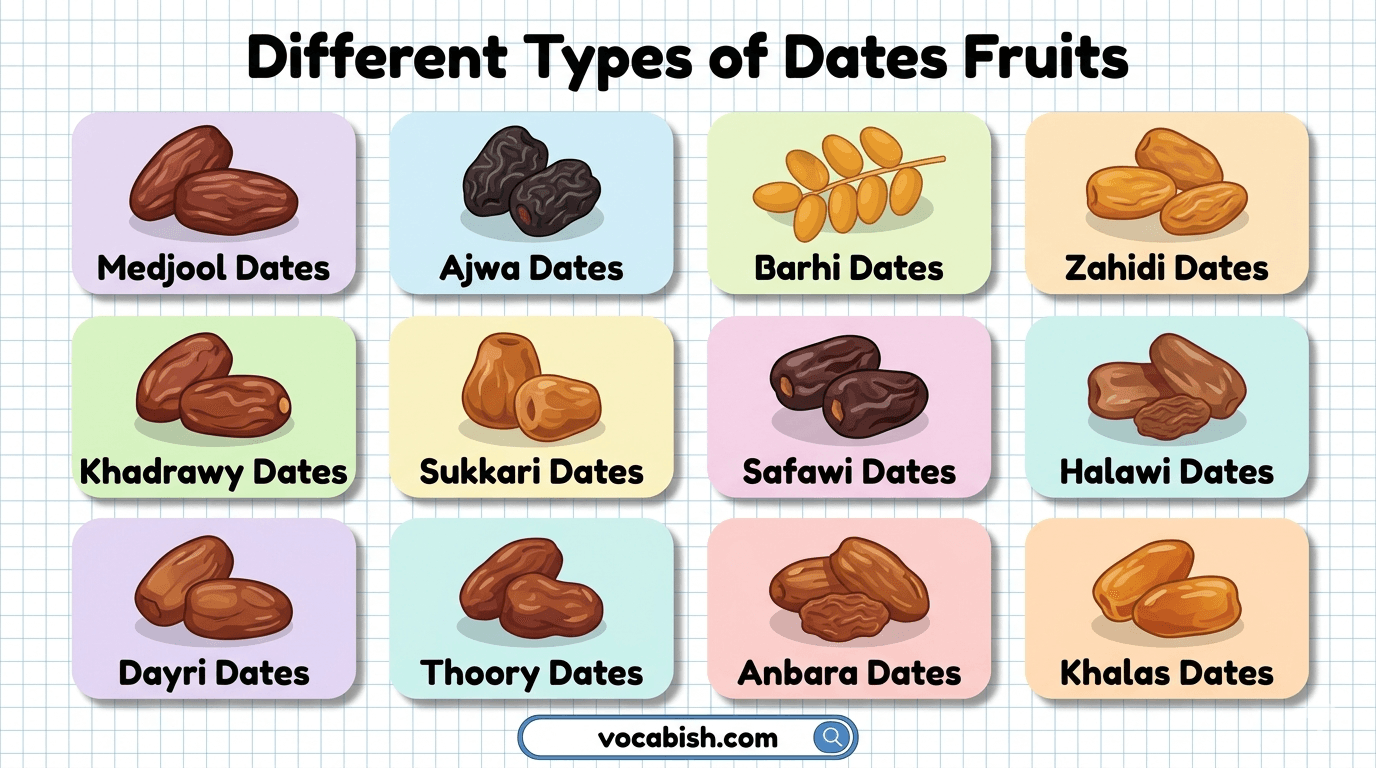
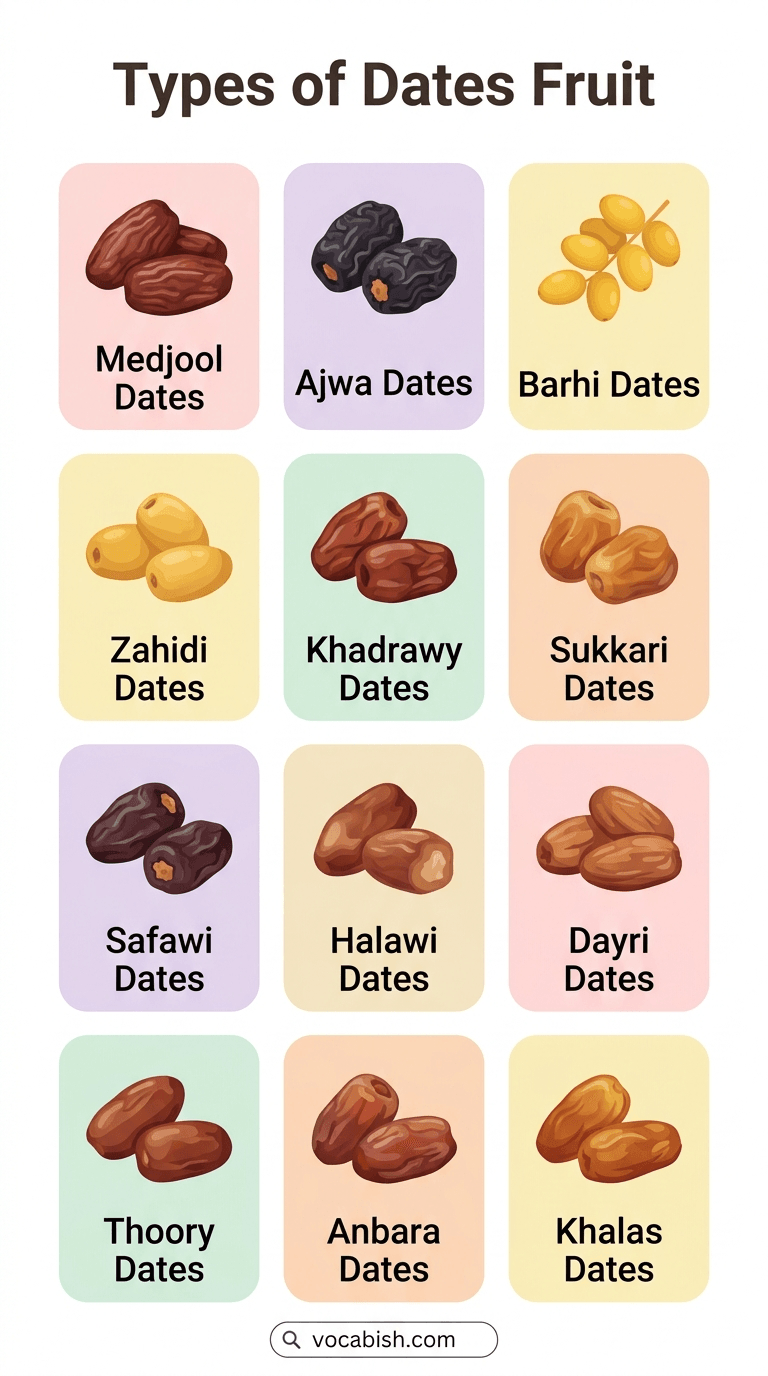
Below is a list of the most common dates fruit varieties found in global markets.
- Medjool Dates: Large, soft, and caramel-like, these dates are widely eaten fresh or used in desserts.
- Deglet Noor Dates: A semi-dry, sweet date that is highly popular worldwide for baking and everyday snacking.
- Ajwa Dates: A soft, dark date from Medina, highly valued for its rich taste and cultural significance.
- Barhi Dates: A round, golden date often eaten fresh, known for its deliciously sweet and syrupy texture.
- Zahidi Dates: A semi-dry, yellow date with a slightly nutty flavor, frequently used in cooking and baking.
- Khadrawy Dates: A soft, moist date with a rich sweetness that melts in your mouth, best enjoyed fresh.
- Sukkari Dates: An exceptionally sweet Saudi date prized for its soft, melt-in-the-mouth honey texture.
- Mabroom Dates: A long, slender date with a firm, chewy texture and a mild, pleasant sweetness.
- Safawi Dates: Dark, soft dates widely known for their natural energy-boosting properties and health benefits.
- Halawi Dates: A soft, incredibly sweet date with a pleasant aroma and a rich caramel flavor.
- Dayri Dates: An elongated, dark brown date with a semi-firm texture and balanced sweetness, perfect for culinary uses.
- Thoory Dates: A dry, firm date with a pastry-like texture that is less sweet, often used in traditional recipes.
- Anbara Dates: Large, premium-quality soft dates that are highly valued for their impressive size and mild sweetness.
- Khalas Dates: A golden-brown date with a rich, caramel-coffee flavor, widely enjoyed alongside Arabic coffee.
Complete List of Dates Fruit Names
Here is a list of popular dates fruit varieties:
- Medjool Dates
- Deglet Noor Dates
- Ajwa Dates
- Barhi Dates
- Zahidi Dates
- Khadrawy Dates
- Sukkari Dates
- Mabroom Dates
- Safawi Dates
- Halawi Dates
- Dayri Dates
- Thoory Dates
- Anbara Dates
- Khalas Dates
Dates Fruit and Their Benefits
Type of Dates Fruit | Benefits |
|---|---|
Medjool Dates | High energy, rich fiber, supports digestion and natural sweetness boost |
Deglet Noor Dates | Good for baking, low moisture, provides steady energy release |
Ajwa Dates | Supports heart health, rich antioxidants, traditionally valued for wellness |
Barhi Dates | Fresh eating, improves hydration, has a soft texture, and is easy to digest. |
Zahidi Dates | Supports weight control, less sweet, good for cooking and storage |
Khadrawy Dates | Boosts energy, has a soft texture, helps improve natural sugar levels |
Sukkari Dates | Very sweet taste, quick energy source, popular natural dessert alternative |
Mabroom Dates | Supports stamina, chewy texture, rich in natural minerals and nutrients |
Safawi Dates | High antioxidant content, supports immunity and overall body strength |
Halawi Dates | Good for brain energy, soft caramel taste, natural sugar source |
Dayri Dates | Helps digestion, balanced sweetness, commonly used in traditional recipes |
Thoory Dates | Long storage life, low moisture, used in cooking and baking |
Anbara Dates | Large-sized fruit, rich flavor, provides strong nutritional value |
Khalas Dates | Improves energy levels, has a smooth taste, and is widely consumed in many regions |
Related Articles:
FAQs About Types of Dates Fruit
Dates are sweet, edible fruits grown on date palm trees, commonly found in hot regions. They are eaten fresh or dried and provide natural energy and nutrients.
Main types of dates fruit include Medjool, Ajwa, Deglet Noor, Barhi, Zahidi, and Sukkari. Each type differs in taste, texture, moisture, and common uses.
Yes, dates fruit are safe for daily eating in moderate amounts. They provide natural sugars and nutrients, making them a healthy snack for energy and digestion support.
Dates fruit provide quick energy, support digestion, improve natural fiber intake, and contain essential minerals like potassium, magnesium, and antioxidants for overall health.
Medjool dates are large, soft, and sweet dates often called natural caramel. They are popular for snacking and provide high energy and fiber content.
Date fruits can support weight management when eaten in moderation. They reduce sweet cravings and provide fiber, helping control hunger and improve fullness.
Soft dates contain more moisture and taste sweeter, while dry dates are firm, less moist, and have a longer shelf life, often used in cooking and storage.
Conclusion
Dates fruit comes in many varieties, each offering unique taste, texture, and nutritional benefits. From soft Medjool and Ajwa to dry Thoory and Zahidi, these fruits provide natural sweetness and energy. Understanding the types of date fruits helps in choosing the right variety for eating, cooking, or gifting.