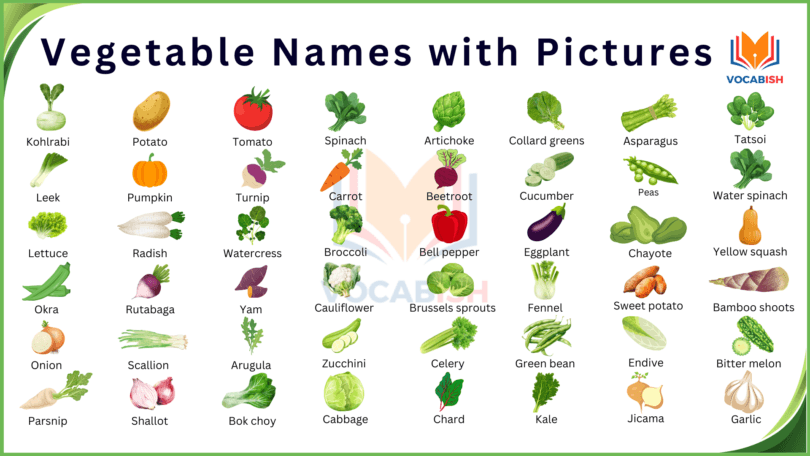

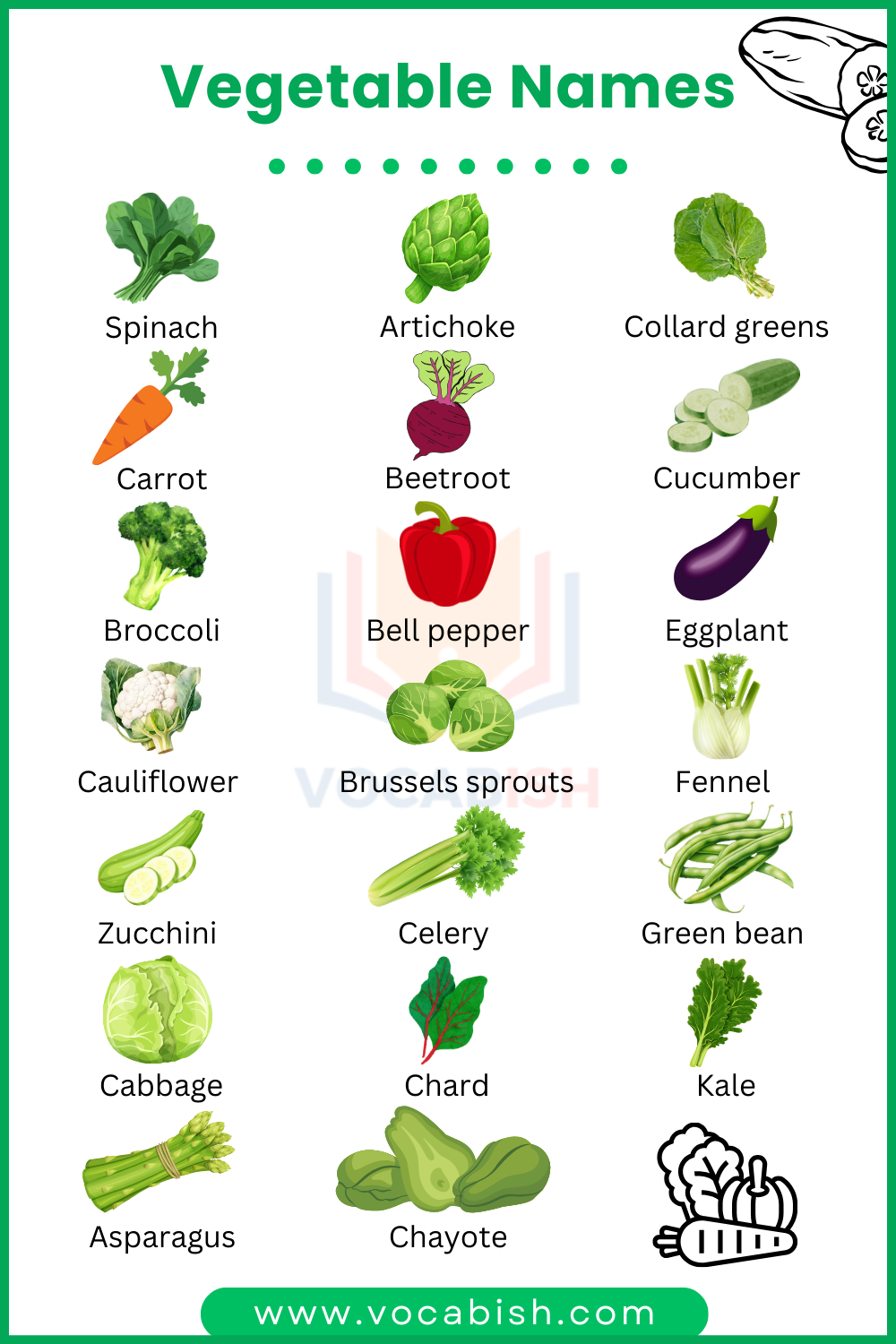
Have you ever been able to recognize a vegetable but struggled to remember its English name while speaking, writing, or shopping? Learning vegetable names in English helps you talk about food more naturally and understand everyday vocabulary with greater confidence. In this article, you’ll find 100+ vegetable names in English with their pictures, making it easier to connect words with real objects. Seeing the vegetables alongside their names can improve memory, reduce confusion between similar words, and make new vocabulary easier to use in everyday conversations.
What are Vegetables?
Vegetables are edible parts of plants that people eat as food. They may come from roots, stems, leaves, flowers, bulbs, or seeds.
Examples include:
- Celery (stem)
- Carrot (root)
- Lettuce (leaf)
- Broccoli (flower)
- Onion (bulb)
Vegetables are used in soups, salads, curries, sandwiches, and many other dishes around the world.
Why Learning Vegetable Names Matters
Knowing the names of vegetables helps you communicate more naturally in everyday situations.
You may need vegetable vocabulary when:
- Shopping at a grocery store
- Ordering food
- Reading recipes
- Talking about healthy eating
- Learning science or biology
It also improves general English vocabulary and listening comprehension.
Common Vegetable Names Used Every Day
Here’s the list of the 20 most common vegetable names along with their short but important information and their pictures, which we need to know:

- Carrot
Orange root vegetable often eaten raw, cooked, or juiced.

- Potato
Starchy vegetable used in fries, chips, and many dishes.
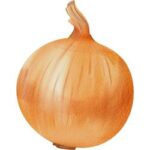
- Onion
Flavorful vegetable commonly added to soups, curries, and sauces.
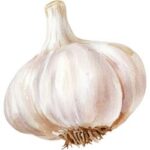
- Garlic
Strong-smelling vegetable used to enhance the taste of food.

- Tomato
Juicy vegetable often used in salads, sauces, and soups.

- Spinach
Leafy green vegetable rich in vitamins and minerals.
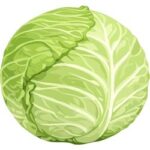
- Cabbage
Round leafy vegetable used in salads and cooked meals.
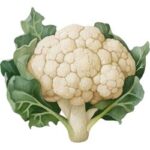
- Cauliflower
White flowering vegetable commonly roasted, steamed, or mashed.
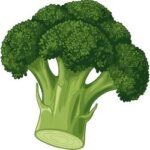
- Broccoli
Green vegetable known for its nutritional value and crunch.

- Cucumber
Cool, refreshing vegetable usually eaten raw in salads.

- Bell Pepper
Colorful vegetable that adds sweetness and crunch to dishes.

- Peas
Small green vegetables often added to rice and curries.

- Pumpkin
Large vegetable used in soups, desserts, and savory recipes.
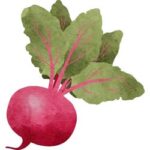
- Radish
Crisp root vegetable with a mildly peppery flavor.

- Okra
Green pod vegetable commonly used in stews and curries.

- Eggplant
Purple vegetable that absorbs flavors during cooking.
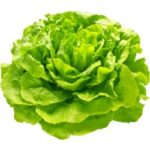
- Lettuce
Leafy vegetable widely used as a salad base.
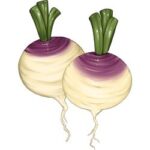
- Turnip
Root vegetable enjoyed boiled, roasted, or mashed.

- Sweet Potato
Naturally sweet root vegetable often baked or roasted.
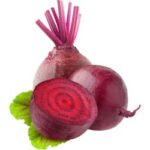
- Beetroot
Deep red root vegetable commonly used in salads and juices.
A to Z List of Vegetable Names
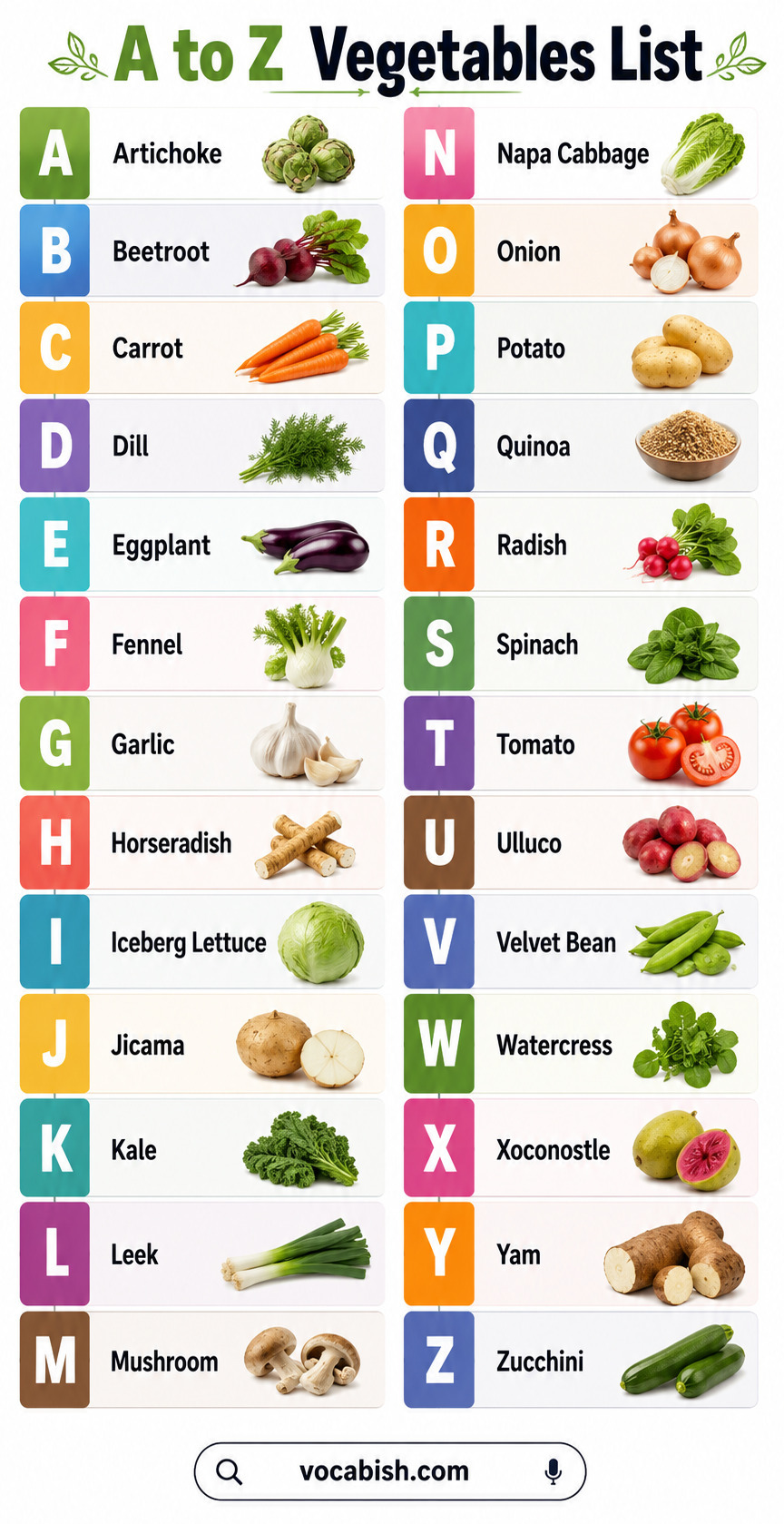
Here’s the list of 80+ common A to Z vegetable names used every day:
Letter | Vegetable Names |
|---|---|
A | Artichoke, Asparagus, Arugula |
B | Beetroot, Broccoli, Bok Choy, Broad Bean, Bitter Gourd, Bottle Gourd |
C | Carrot, Cabbage, Cauliflower, Celery, Corn, Cucumber, Chayote |
D | Daikon Radish, Drumstick, Dandelion Greens |
E | Eggplant, Endive, Elephant Garlic |
F | Fennel, French Bean |
G | Garlic, Green Bean, Green Pea, Ginger |
H | Horseradish |
I | Iceberg Lettuce, Ivy Gourd |
J | Jerusalem Artichoke, Japanese Mustard Greens |
K | Kale, Kohlrabi, Komatsuna |
L | Lettuce, Leek, Lotus Root |
M | Mushroom, Mustard Greens, Malabar Spinach, Moringa Pods |
N | Napa Cabbage, New Zealand Spinach |
O | Onion, Okra |
P | Potato, Pumpkin, Pea, Parsnip, Pointed Gourd, Purple Cabbage |
Q | Queen Anne’s Lace Root |
R | Radish, Rutabaga, Red Cabbage, Rocket (Arugula) |
S | Spinach, Shallot, Sweet Potato, Swiss Chard, Snake Gourd, Spring Onion, Scallion |
T | Tomato, Turnip, Taro Root, Tatsoi |
U | Ube, Upland Cress |
V | Velvet Bean Pod, Vegetable Marrow |
W | Watercress, White Radish, Winged Bean, Wax Bean |
X | Xoconostle, Xerophyte Cactus Pad |
Y | Yam, Yardlong Bean, Yellow Squash |
Z | Zucchini, Zebra Eggplant |
Leafy Green Vegetables and Pictures
Leafy green vegetables are vegetables that are mainly grown for their edible leaves. Below, you’ll learn the English names of common leafy vegetables along with picture references for easier identification.
Spinach
Dark green leaves, high in iron and vitamins, used in salads and stir-fries.
Example: “I added spinach to my omelet this morning.”
Lettuce
Crisp, soft leaves commonly used in salads, sandwiches, and wraps.
Example: “Can you buy lettuce for the salad?”
Kale
Tough, nutritious green leaves for smoothies, soups, and sautéed side dishes.
Example: “I cooked kale with garlic for dinner.”
Arugula
Peppery leaves, eaten raw in salads or as sandwich topping for extra taste.
Example: “We added arugula to the sandwich for flavor.”
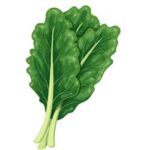
Collard Greens
Large, dark leafy vegetable, cooked in soups, stews, or braised dishes.
Example: “I sautéed collard greens with onions tonight.”

Swiss Chard
Colorful stems and dark leaves, lightly cooked or used in salads.
Example: “I stir-fried Swiss chard with garlic and olive oil.”
Root Vegetable Types and Their English Names
Root vegetables grow underground and are harvested for their edible roots. This section covers the names of popular root vegetables commonly used in everyday cooking.
Beetroot
Purple or red root, sweet and earthy, eaten roasted, boiled, or in salads.
Example: “I roasted beetroot for the soup.”
Radish
Small, crunchy root, eaten raw in salads or as garnish for meals.
Example: “I added radish slices to my sandwich.”
Turnip
White or purple root, mildly flavored, cooked in soups, stews, and curries.
Example: “I boiled turnip with carrots for dinner.”
Sweet Potato
Orange starchy root, sweet flavor, baked, boiled, or in desserts.
Example: “I baked sweet potato with cinnamon.”

Yam
Starchy tuber, similar to sweet potato, often boiled, roasted, or mashed.
Example: “We boiled yam for lunch today.”

Parsnip
White root with sweet flavor, roasted or cooked in soups and stews.
Example: “I roasted parsnip with vegetables for dinner.”

Ginger
Spicy root, used fresh or powdered to flavor dishes, teas, or sauces.
Example: “I added ginger to the stir-fry.”

Turmeric
Bright yellow root, often powdered, used for flavor and natural coloring.
Example: “I used turmeric in the curry sauce.”
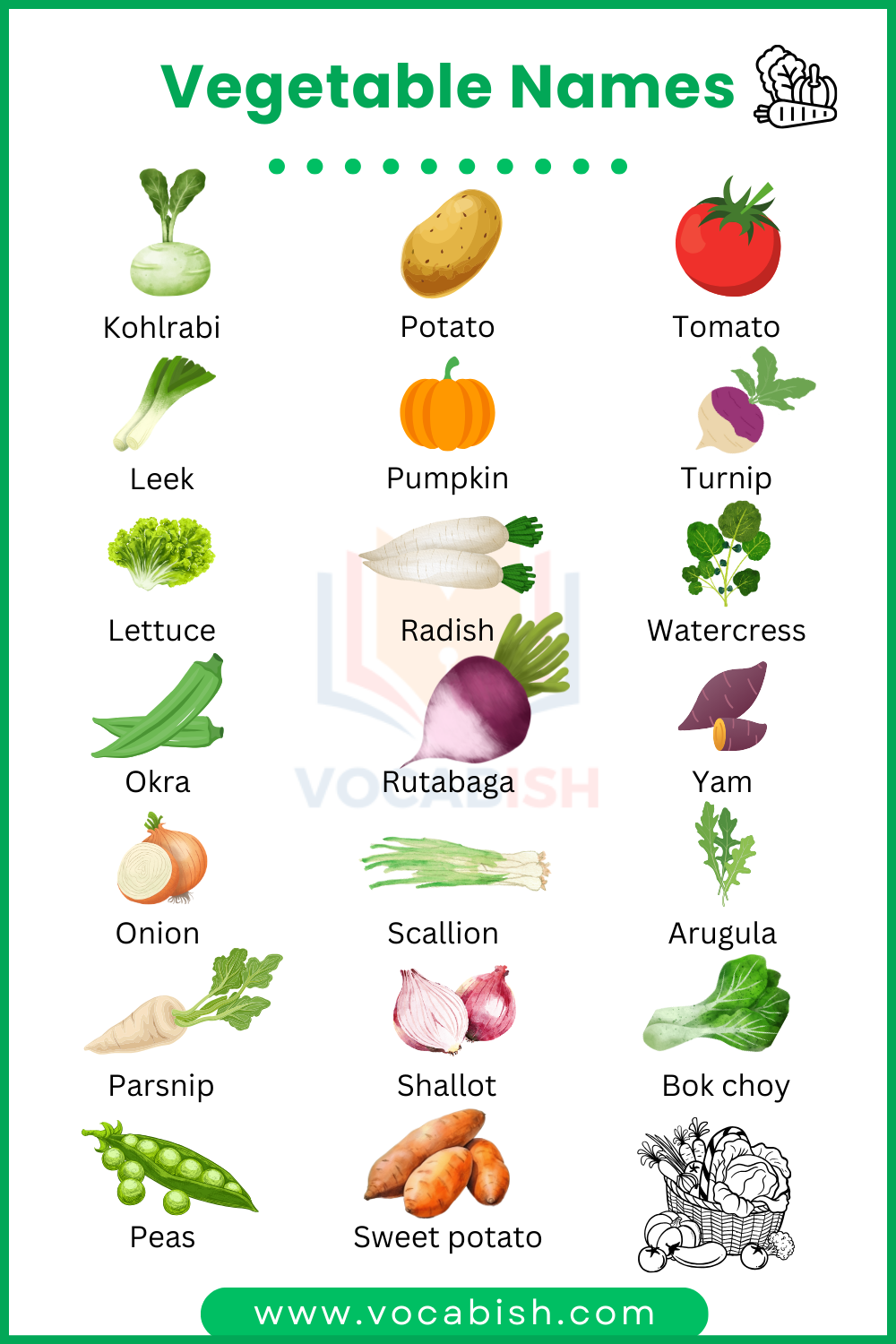
Cruciferous Vegetable Examples
Cruciferous vegetables belong to the cabbage family and are widely eaten around the world. Here, you’ll find the English names of common cruciferous vegetables and their examples.
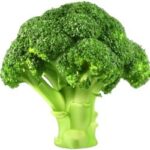
Broccoli
Green florets, nutritious, steamed, boiled, roasted, or in salads.
Example: “I steamed broccoli for lunch.”
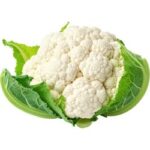
Cauliflower
White florets, eaten roasted, steamed, or used in soups and rice dishes.
Example: “I roasted cauliflower with spices.”
Cabbage
Green or purple leaves, raw in salads or cooked in soups and stir-fries.
Example: “I shredded cabbage for coleslaw.”
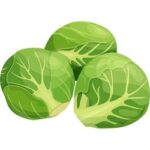
Brussels Sprouts
Small green sprouts, roasted, boiled, or stir-fried as side dishes.
Example: “I roasted Brussels sprouts with olive oil.”
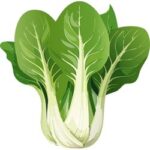
Bok Choy
Chinese leafy vegetable, mild flavor, used in soups, stir-fries, or stews.
Example: “I added bok choy to the soup.”
Vegetable | Appearance |
|---|---|
Broccoli | Green tree-like head |
Cauliflower | White flower head |
Cabbage | Round leafy ball |
Brussels Sprouts | Small cabbage-like buds |
Marrow Vegetable Varieties with Names
Marrow vegetables are a group of vegetables that grow on vines and have soft, fleshy interiors. Below is a list of common marrow vegetables and their English names.
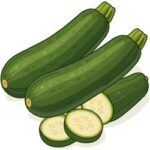
Zucchini / Courgette
Green, mild-flavored vegetable, sautéed, baked, or used in salads.
Example: “I grilled zucchini for lunch.”
Pumpkin
Large orange vegetable, used in soups, pies, or roasted dishes.
Example: “I made pumpkin soup for dinner.”
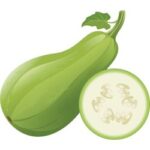
Bottle Gourd / Lauki
Green, mild-flavored vegetable, often cooked in curries or stews.
Example: “I cooked bottle gourd with spices.”
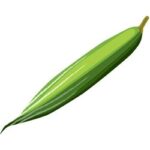
Snake Gourd
Long, mild-flavored, used in stir-fries, curries, or soups.
Example: “I added snake gourd to the curry.”

Cucumber
Green, crisp vegetable, eaten raw in salads or sandwiches.
Example: “I sliced cucumber for the salad.”
Vegetables in the Allium Family
The allium family includes vegetables known for their strong aroma and flavor. This section introduces the English names of popular allium vegetables used in many cuisines.
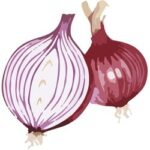
Onion
Essential bulb for flavoring soups, curries, sauces, and stir-fries.
Example: “I chopped onion for the curry.”
Garlic
Strong-flavored bulb, used in sauces, stir-fries, and marinades.
Example: “I sautéed garlic in olive oil.”
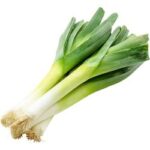
Leek
Mild, long stalk vegetable, used in soups, stews, and stir-fries.
Example: “I added leek to the vegetable soup.”
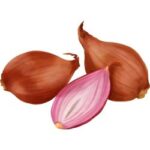
Shallot
Small, mild bulb, used in salad dressings, sauces, and cooked dishes.
Example: “I used shallot in the salad dressing.”
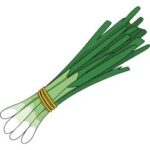
Spring Onion / Scallion
Mild onion, eaten raw or cooked, garnishing soups, salads, or noodles.
Example: “I sprinkled spring onion on the noodles.”

Legume Vegetables and Their Common Names
Legume vegetables grow inside pods and are often used in soups, salads, and side dishes. Here are some of the most common legume vegetable names in English.
Green Peas
Small, round, eaten boiled, steamed, or in rice, soups, and curries.
Example: “I added green peas to the rice.”

Kidney Beans
Red beans, high protein, used in soups, salads, and curries.
Example: “I cooked kidney beans for dinner.”
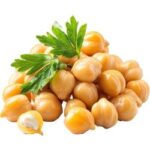
Chickpeas / Garbanzo Beans
Round beige legumes, boiled, roasted, or made into hummus.
Example: “I made hummus from chickpeas.”
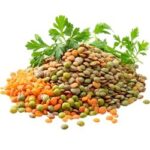
Lentils
Small seeds, high in protein, used in soups, stews, and curries.
Example: “I cooked lentils for lunch.”

Soybeans
Protein-rich legumes, used in tofu, soups, stir-fries, or snacks.
Example: “I added soybeans to the salad.”
Nightshade Vegetables
Nightshade vegetables are a plant group that includes several well-known kitchen vegetables. Below, you’ll discover their English names and common examples.

Tomato
Juicy red vegetable, used in sauces, salads, soups, and sandwiches.
Example: “I added tomato to my sandwich.”
Eggplant / Aubergine
Purple vegetable, soft texture, roasted, grilled, or in curries.
Example: “I roasted eggplant with garlic.”
Bell Pepper
Sweet, colorful vegetable, eaten raw, stir-fried, or roasted.
Example: “I sliced bell pepper for the stir-fry.”

Chili Pepper
Small, spicy vegetable, used fresh or dried to flavor dishes.
Example: “I chopped chili pepper for the curry.”
Potato
Versatile starchy tuber, used boiled, fried, mashed, or baked.
Example: “We mashed potato for dinner.”
Flower Vegetables and Their Pictures
Some vegetables are actually edible flowers or flower buds. This section highlights common flowering vegetables and helps you recognize their names through picture references.
Cauliflower
White florets, roasted, steamed, or used in soups and stir-fries.
Example: “I roasted cauliflower for lunch.”
Broccoli
Green florets, steamed, boiled, roasted, or in salads.
Example: “I steamed broccoli for dinner.”

Artichoke
Large, edible flower buds, steamed or boiled for meals.
Example: “I steamed artichoke with olive oil.”
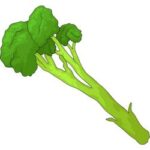
Broccolini
Hybrid green florets, tender stems, sautéed or steamed for sides.
Example: “I sautéed broccolini with garlic.”

Romanesco
Light green, nutty-flavored vegetable, eaten roasted, steamed, or in salads.
Example: “I roasted romanesco with olive oil.”
Fungi Veggies Names and Examples
Although fungi are not true vegetables, they are often grouped with vegetables in cooking. Here are the most common fungi-based foods and their English names.
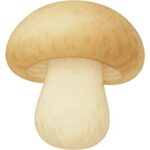
Button Mushroom
Small, white mushrooms, sautéed, grilled, or added to soups.
Example: “I added button mushrooms to the stir-fry.”

Shiitake Mushroom
Brown mushrooms with strong flavor, used in soups, stir-fries, and sauces.
Example: “I cooked shiitake mushrooms in the soup.”

Portobello Mushroom
Large, meaty mushrooms, grilled, roasted, or stuffed for meals.
Example: “I grilled a portobello mushroom for dinner.”

Oyster Mushroom
Tender, mild mushroom, stir-fried, sautéed, or in soups.
Example: “I stir-fried oyster mushrooms with vegetables.”

Enoki Mushroom
Thin, long mushrooms, lightly cooked or used in soups.
Example: “I added enoki mushroom to the hot pot.”
Yellow-Colored Vegetables in English
Yellow vegetables are easy to recognize because of their bright color. Below is a list of yellow-colored vegetables and their English names.

Yellow Bell Pepper
Bright yellow, sweet vegetable, eaten raw in salads or cooked in stir-fries.
Example: “I diced yellow bell pepper for the salad.”

Corn / Sweet Corn
Golden kernels, boiled, grilled, or used in soups, salads, and snacks.
Example: “I added corn to my vegetable soup.”

Yellow Squash
Mild-flavored squash, sautéed, roasted, or added to curries and stews.
Example: “I roasted yellow squash with olive oil and herbs.”

Pumpkin
Orange-yellow vegetable, used in soups, pies, roasting, and curries.
Example: “I made pumpkin soup for lunch.”

Yellow Carrot
Sweet, yellow root, eaten raw, cooked, or in salads for color variation.
Example: “I grated yellow carrot into the salad.”

Edible Stem Vegetables Examples
Stem vegetables are grown mainly for their edible stalks or shoots. This section introduces common stem vegetables and their names in English.
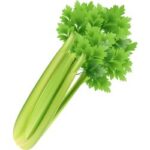
Celery
Crisp green stalk, eaten raw, in salads, soups, or as snack sticks.
Example: “I added celery to my sandwich.”
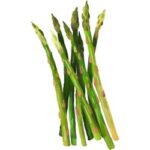
Asparagus
Tender green stalks, boiled, grilled, or sautéed for side dishes.
Example: “I grilled asparagus with olive oil for dinner.”
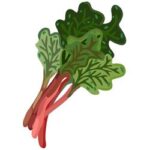
Rhubarb
Edible red-green stalk, often cooked in desserts or jams.
Example: “I made a pie with rhubarb yesterday.”
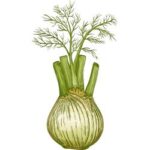
Fennel Stalk
Crunchy stalk with mild anise flavor, used in salads or roasted dishes.
Example: “I roasted fennel stalks with carrots and potatoes.”
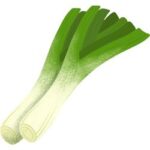
Leek
Long green stalk, mild flavor, used in soups, stir-fries, and stews.
Example: “I chopped leeks for the vegetable soup.”
Different Types of Stem Vegetables:
Stem Vegetable | Stem Type |
|---|---|
Celery | Crunchy stem |
Asparagus | Young shoot |
Bamboo Shoot | Tender stem |
Vegetables Common in Asian Cooking
Asian cuisine uses a wide variety of vegetables in stir-fries, soups, and noodle dishes. Here, you’ll learn the names of vegetables that are frequently used across Asian countries.

Bok Choy
Mild Chinese leafy vegetable, stir-fried, steamed, or added to soups.
Example: “I added bok choy to the noodle soup.”
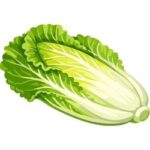
Napa Cabbage
Soft, light green leaves, used in stir-fries, kimchi, or soups.
Example: “I made a salad with napa cabbage.”
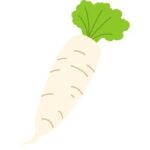
Daikon Radish
Large white radish, eaten raw, pickled, or cooked in stews.
Example: “I sliced daikon radish for the salad.”
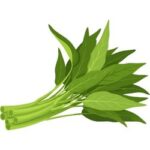
Water Spinach / Kang Kong
Tender green stems and leaves, stir-fried with garlic and sauces.
Example: “I stir-fried water spinach with chili and soy sauce.”

Bitter Gourd / Bitter Melon
Green, bitter vegetable, cooked in stir-fries, soups, and curries.
Example: “I cooked bitter gourd with eggs for breakfast.”
Vegetables Used in Mediterranean Cooking
Mediterranean dishes often feature fresh and flavorful vegetables. This section covers the English names of vegetables commonly found in Mediterranean cooking.

Eggplant / Aubergine
Purple vegetable, grilled, roasted, or cooked in stews and ratatouille.
Example: “I grilled eggplant for the Mediterranean platter.”
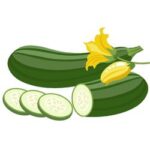
Zucchini / Courgette
Green, tender squash, sautéed, roasted, or in salads and pasta dishes.
Example: “I roasted zucchini with tomatoes and olive oil.”
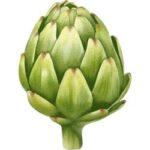
Artichoke
Edible flower bud, steamed, boiled, or grilled in Mediterranean recipes.
Example: “I steamed artichoke with lemon and olive oil.”

Red Bell Pepper
Sweet, colorful vegetable, eaten raw or roasted in Mediterranean dishes.
Example: “I roasted red bell pepper for the salad.”
Tomato
Juicy, red fruit vegetable, essential in sauces, salads, and Mediterranean cuisine.
Example: “I added tomato to the pasta sauce.”
Download PDF
Get a free PDF book with pictures of all the vegetables.
Tips for Learning and Remembering Vegetable Names
Learning long vocabulary lists becomes easier when you use practical methods.
Try these techniques:
- Learn five new vegetable words each day.
- Use picture flashcards.
- Label vegetables in your kitchen.
- Watch cooking videos in English.
- Practice speaking vegetable names aloud.
- Group vegetables by category.
- Create vocabulary notebooks.
- Use new words in short sentences.
You May Also Like:
- Fruits Names A to Z with Pictures
- Healthy Foods Names with Benefits
- A to Z English Vocabulary with PDF
- 150 Sentences for Kids in English
FAQs about Vegetables
Vegetable names are the words used to identify edible plants or plant parts, such as carrot, spinach, cabbage, potato, and broccoli.
Learning vegetable names helps improve everyday English vocabulary, supports better communication while shopping or cooking, and makes food-related conversations easier.
Practice vegetable names with pictures, flashcards, and daily conversations. Associating each vegetable with meals often improves memory and recognition.
Some common vegetable names include potato, onion, carrot, cabbage, spinach, tomato, cucumber, broccoli, cauliflower, and bell pepper.
Botanically, tomato and cucumber are fruits. In cooking and everyday English, however, they are usually treated as vegetables.
Use colorful pictures, real vegetables, simple games, and short sentences. Children learn vocabulary faster when lessons connect to everyday experiences.
Leafy vegetables are edible leaves like spinach and lettuce. Root vegetables grow underground and include carrots, radishes, and turnips.
Mushrooms are fungi, not true vegetables. However, they are commonly grouped with vegetables in recipes, grocery stores, and English vocabulary lists.
Conclusion
Learning 100+ vegetable names in English is easy if you practice daily. Group vegetables by type, use them in sentences, and relate them to real-life cooking. With this blog post, you can improve your vocabulary, understand recipes, and speak English confidently about food. Keep practicing, and soon these words will become natural for you.