
In this article, you will learn 30+ viviparous animal names in English with pictures to build your animal vocabulary in a clear and visual way. These names are useful for kids, ESL students, and English learners who want to talk about animals, nature, and science topics with confidence. You will also see easy examples that make each animal name easier to remember and use in everyday English.
What are Viviparous Animals?
Viviparous animals are animals that do not lay eggs and give birth to live young ones. In most mammals, the baby grows inside the mother’s body and gets food and oxygen before birth, often through a placenta. Common examples include humans, cats, dogs, cows, elephants, lions, and dolphins.
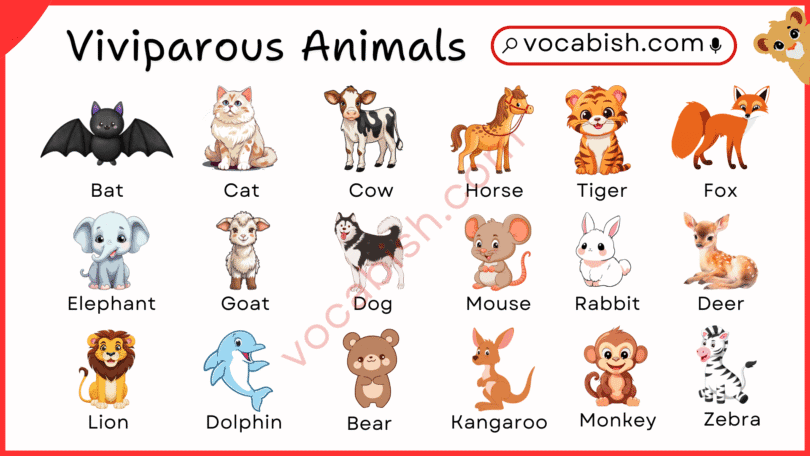
Viviparous Animal Names with Pictures
Here are some common viviparous animals with pictures and important information:

- Dog
Dogs give birth to puppies. The mother dog feeds and cares for the babies.

- Cat
Cats give birth to kittens. They keep the babies warm and feed them milk.
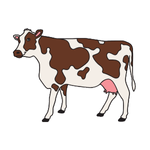
- Cow
Cows give birth to calves. They feed their babies with milk.
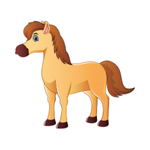
- Horse
Horses give birth to foals. They can stand and walk shortly after birth.

- Elephant
Elephants give birth to live babies after a long pregnancy (almost 2 years).

- Monkey
Monkeys are viviparous and carry their babies on their back.

- Tiger
Tigers give birth to cubs and raise them in a hidden place in the wild.

- Lion
Lions give birth to live cubs and protect them in a group called a pride.
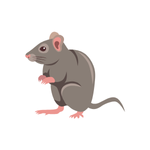
- Rat
Rats reproduce quickly and give birth to many small babies at once.
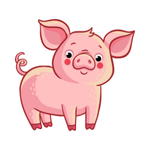
- Pig
Pigs give birth to several piglets at once. They are also mammals.

- Dolphin
Dolphins live in water but give birth to live young and feed them milk.
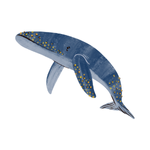
- Whale
Whales are sea mammals. They give birth to baby whales and nurse them in the ocean.
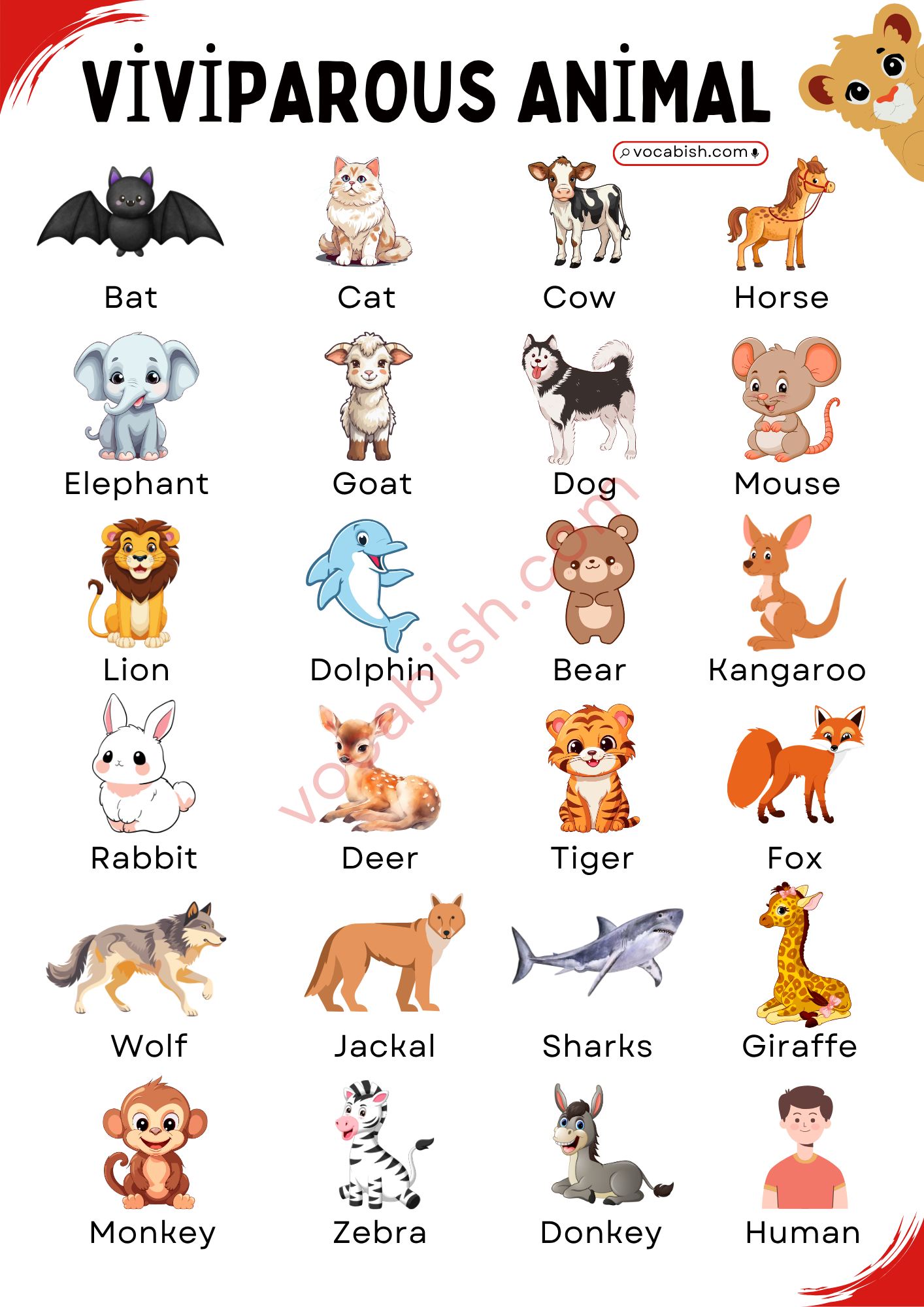
List of Viviparous Animals
- Bat
- Cat
- Cow
- Horse
- Elephant
- Goat
- Dog
- Mouse
- Lion
- Kangaroo
- Dolphin
- Bear
- Rabbit
- Deer
- Tiger
- Rattlesnakes
- Fox
- Wolf
- Jackal
- Sharks
- Giraffe
- Monkey
- Zebra
- Donkey
Note: Most mammals are viviparous animals.
Viviparous Animal Names in Sentences
- A lion gives birth to live cubs.
- The elephant takes care of its baby calf.
- A cow gives birth to a calf.
- The dog feeds its puppies with milk.
- A cat keeps her kittens warm.
- The horse runs with its young foal.
- A goat gives birth to baby kids.
- The sheep stays close to its lamb.
- A monkey carries its baby in its arms.
- The dolphin gives birth to a live baby in water.
Facts About Viviparous Animals
- Most viviparous animals are mammals, such as cats, dogs, cows, elephants, lions, dolphins, and humans.
- Viviparous animals give birth to live babies, so their young ones are usually more developed at birth than animals hatched from eggs.
- In many viviparous mammals, the baby grows inside the mother’s body and receives food and oxygen before birth through the placenta.
- After birth, mammal babies drink milk from their mother, which helps them grow and stay strong.
- Some non-mammals can also be viviparous, including certain snakes, sharks, lizards, and fish that give birth to live young.
FAQs about Viviparous Animals
Viviparous animals are animals that give birth to live young instead of laying eggs, such as cats, dogs, cows, lions, and elephants.
Common viviparous animals include humans, dogs, cats, cows, horses, goats, sheep, elephants, lions, monkeys, dolphins, whales, and bats.
Most mammals are viviparous because their babies grow inside the mother’s body and receive milk after birth for early growth.
Most viviparous animals are mammals, but some reptiles, fish, and amphibians can also give birth to live young in certain species.
Viviparous animals give birth to live babies, while oviparous animals lay eggs that hatch outside the mother’s body.
Yes, a dolphin is viviparous because it gives birth to a live baby in water and feeds it with milk.
Some snakes are viviparous and give birth to live young, while many other snakes are oviparous and lay eggs.
Students learn viviparous animal names to understand science vocabulary, describe animals correctly, and improve English speaking, reading, and writing skills.
You May Also Like: