
Have you ever seen a piece of furniture at home, in an office, or in a hotel but didn’t know its English name? Learning furniture names becomes much easier when you can connect each word with the object you see every day. From sofas and tables to bookshelves and wardrobes, furniture vocabulary appears in conversations, shopping, home decoration, and daily life.
In this article, you’ll explore an A to Z list of furniture items with names and pictures to help you recognize, remember, and use these words more confidently. Understanding common furniture vocabulary can improve your speaking, reading, writing, and everyday communication while making it easier to describe rooms, homes, and living spaces in English.
What Are Furniture Items?
Furniture items are objects placed inside homes, offices, schools, and other buildings to support daily activities. They include seating, storage units, tables, beds, and decorative pieces.
When learning English, knowing a furniture items list helps you describe rooms, talk about home decoration, and understand everyday conversations more easily.
Common Furniture Items Used Every Day
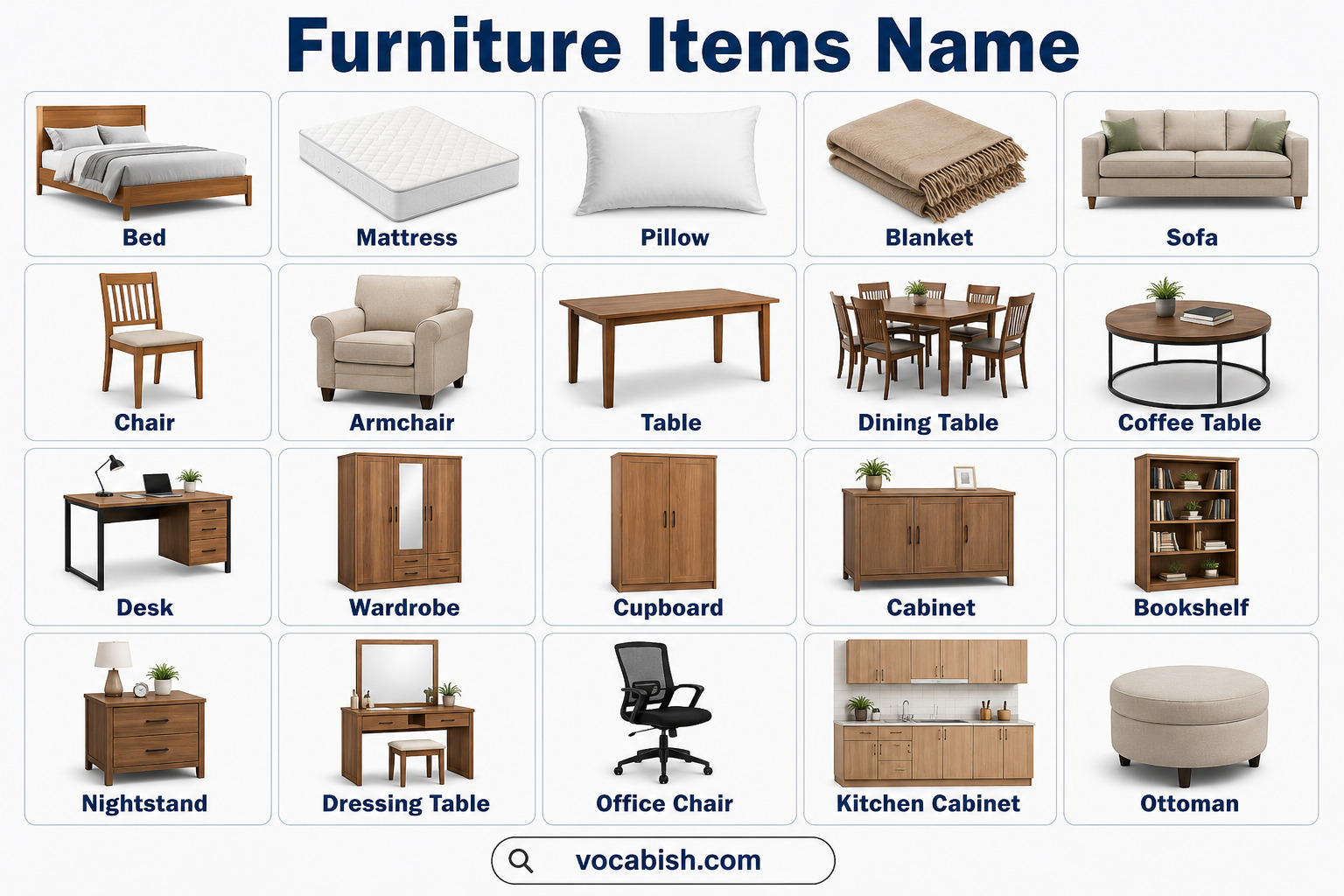
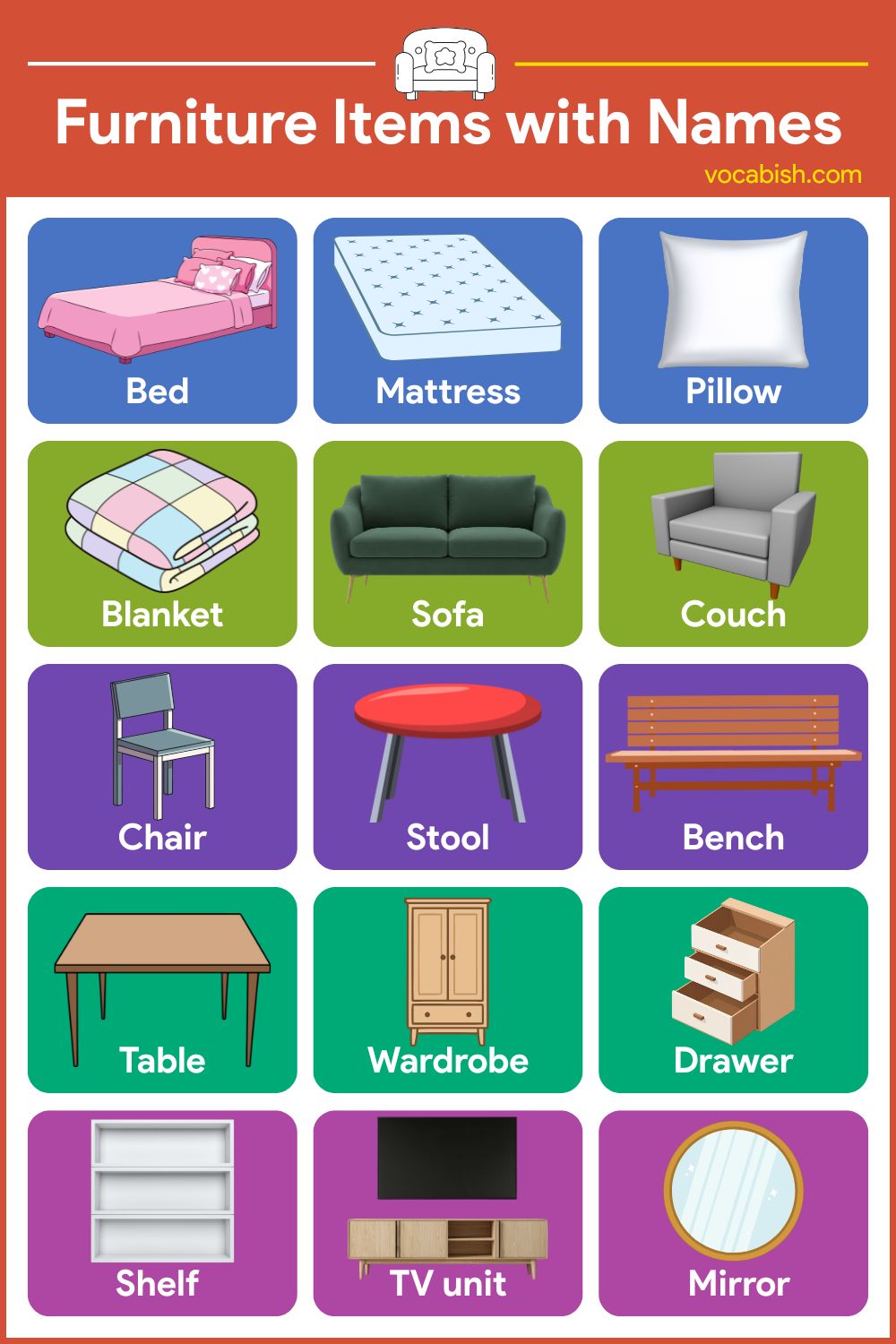
Here’s the list of the most common furniture vocabulary words in English with their pictures:
- Bed
Comfortable furniture piece designed for sleeping and resting. - Mattress
Soft cushioned layer placed on top of beds. - Pillow
Provides support for the head and neck. - Blanket
Warm covering used during sleep or relaxation. - Sofa
Comfortable seating furniture designed for multiple people. - Couch
Common term used interchangeably with a sofa. - Chair
Basic furniture item used for sitting comfortably. - Armchair
Comfortable chair featuring supportive armrests on sides. - Stool
Compact seat typically designed without a backrest. - Bench
Long seating furniture suitable for several people. - Table
Flat-surfaced furniture used for various daily activities. - Dining Table
Furniture piece where meals are served and enjoyed. - Coffee Table
Low table commonly placed before a sofa. - Side Table
Small table positioned beside beds or chairs. - Desk
Work-focused table used for studying or office tasks. - Study Table
Dedicated workspace for reading, writing, and learning. - Wardrobe
Tall storage furniture designed for clothes organization. - Cupboard
Storage furniture with doors for household items. - Cabinet
Enclosed furniture unit used for organized storage. - Drawer
Sliding compartment used to store personal belongings. - Chest of Drawers
Multi-drawer furniture for clothing and accessories. - Shelf
Flat storage surface used to display items. - Bookshelf
Furniture designed specifically for storing books neatly. - TV Unit
Furniture piece created to support televisions safely. - Media Unit
Storage furniture for entertainment and media devices. - Nightstand
Small bedside table for everyday essentials nearby. - Dressing Table
Grooming furniture featuring storage and a mirror. - Mirror
Reflective glass used for viewing personal appearance. - Office Chair
Ergonomic chair designed for workplace comfort. - Office Desk
Professional workspace used for office-related tasks. - Filing Cabinet
Secure storage furniture for organizing documents. - Workstation
Complete furniture setup for productive work environments. - Kitchen Cabinet
Storage unit used for kitchen supplies.
Furniture Found in Living Rooms
The living room is one of the most used spaces in a home. It’s where people relax, spend time with family, and welcome guests. Let’s learn some common furniture names you will often see in this room.
1. Sofa (Pronounced: Soh-fuh)
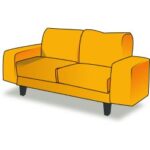
- A piece of furniture used for sitting and relaxing.
- Provides comfortable seating for two or more people and is commonly placed in living rooms.
2. Armchair (Pronounced: Aarm-chair)
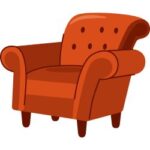
- A comfortable chair made for one person.
- Comes with armrests and is often used for reading, watching TV, or relaxing.
3. Coffee Table (Pronounced: Kof-ee Tay-buhl)
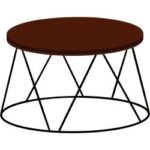
- A low table placed near seating furniture.
- Usually sits in front of a sofa and holds drinks, books, magazines, or decorative items.
4. TV Stand (Pronounced: Tee-Vee Stand)
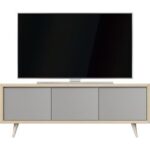
- Furniture used to hold a television.
- Keeps a TV secure while providing space for media devices and accessories.
5. Side Table (Pronounced: Syd Tay-buhl)
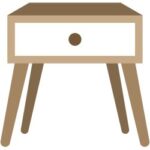
- A small table placed beside seating furniture.
- Offers a convenient spot for lamps, phones, drinks, and other everyday items.
6. Bookshelf (Pronounced: Book-shelf)

- Furniture designed for storing books.
Contains shelves that help organize books while displaying decorative objects.
7. Ottoman (Pronounced: Aah-tuh-muhn)
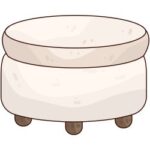
- A padded furniture piece used for comfort.
- Works as a footrest, extra seat, or storage unit depending on its design.
Common Bedroom Furniture Names
Every bedroom contains furniture that supports sleep, relaxation, and personal storage. Learning these furniture names can help you describe your room and talk about household items more confidently in English.
1. Bed (B-e-d)
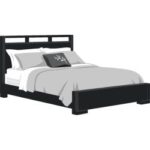
- A furniture item used for sleeping and resting.
- Provides a comfortable place to sleep and is usually the main piece of furniture in a bedroom.
2. Bunk Bed (B-u-n-k-B-e-d)
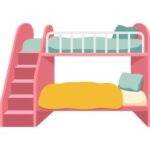
- A bed structure with two sleeping spaces.
- Features one bed placed above another, making it useful for shared bedrooms and saving space.
3. Wardrobe (Wawr-drohb)
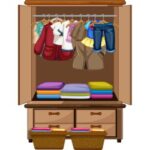
- A large furniture unit for storing clothes.
- Includes hanging space, shelves, or drawers to keep clothing and accessories organized.
4. Dressing Table (Dres-ing Tay-buhl)
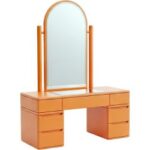
- A table used for personal grooming.
- Usually comes with a mirror and provides space for cosmetics, jewelry, and personal items.
5. Nightstand (Nite-stand)
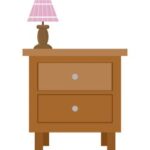
- A small table placed next to a bed.
- Keeps everyday essentials such as lamps, books, phones, or alarm clocks within easy reach.
6. Chest of Drawers (Chest of Draw-erz)
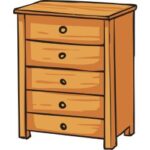
- A storage unit with multiple drawers.
- Helps organize clothing, accessories, and other personal belongings neatly in a bedroom.
Furniture Used in Dining Areas
Family meals, celebrations, and everyday conversations often take place in the dining room. That’s why learning the names of dining room furniture can help you talk about household spaces more naturally and build practical English vocabulary.
1. Dining Table (Dy-ning Tay-buhl)
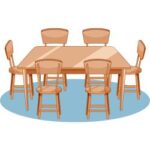
- A table used for eating meals.
- Provides a shared space where family members and guests can sit together to enjoy food.
2. Dining Chair (Dy-ning Chair)
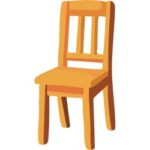
- A chair designed for use at a dining table.
- Offers comfortable seating during meals and is usually arranged around a dining table.
3. High Chair (Hy Chair)
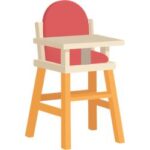
- A tall chair made for babies and young children.
- Raises a child to table height, making feeding time safer and more convenient.
4. Sideboard (Syd-bord)
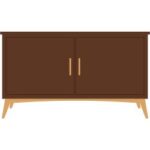
- A storage furniture item used in dining areas.
- Keeps dishes, cutlery, table linens, and serving items neatly organized. In many homes, it also provides extra serving space.
5. Bar Stool (Bar Stool)
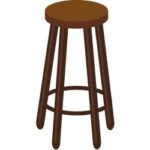
- A tall seat commonly used at counters or bars.
- Features a higher seating position than a regular chair and is often placed near kitchen islands or breakfast counters.
Kitchen Furniture and Storage Pieces
Preparing meals becomes much easier with the right furniture and storage solutions in the kitchen. While cooking, organizing ingredients, and storing utensils, you’ll come across many of these common furniture names in everyday English.
1. Kitchen Cabinet (Kitch-uhn Kab-i-nit)
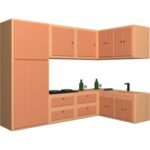
- A storage unit used in the kitchen.
- Keeps dishes, cookware, utensils, and food items neatly organized. Most kitchens include multiple cabinets for storage.
2. Countertop (Kown-ter-top)
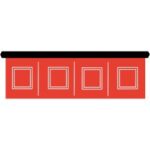
- A flat working surface in the kitchen.
- Provides space for preparing ingredients, cooking tasks, and placing small kitchen appliances. As a result, it is one of the most frequently used areas in a kitchen.
3. Kitchen Island (Kitch-uhn Eye-luhnd)
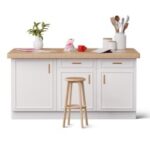
- A central worktable placed in a kitchen.
- Offers extra space for food preparation, storage, or casual dining. In larger kitchens, it often becomes a gathering spot for family members.
4. Pantry Cabinet (Pan-tree Kab-i-nit)
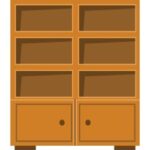
- A cabinet used for storing food supplies.
- Helps organize dry foods, snacks, canned goods, and cooking ingredients. This makes it easier to keep the kitchen tidy and well-stocked.
Office Furniture You Should Know
Whether you’re studying, working, or attending classes, office furniture helps create an organized and productive workspace. Many of these furniture names are commonly used in schools, offices, libraries, and home study areas.
1. Office Desk (Of-fis Desk)

- A table used for work, study, or office tasks.
- Provides a dedicated surface for writing, reading, using a computer, and completing daily work activities.
2. Office Chair (Of-fis Chair)
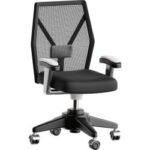
- A chair designed for working at a desk.
- Offers comfortable seating for extended periods. Many office chairs also include adjustable features for better support.
3. Filing Cabinet (Fy-ling Kab-i-nit)
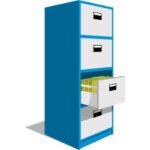
- A storage unit used for documents and records.
- Contains drawers that help organize important papers, files, and office materials. As a result, documents can be found more easily when needed.
4. Bookcase (Book-kays)
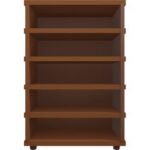
- A furniture item with shelves for storing books.
- Keeps books, binders, and files neatly arranged. Besides providing storage, it also helps keep a workspace organized.
5. Computer Table (Kum-pyoo-ter Tay-buhl)

- A table designed for computer use.
- Provides space for a computer, keyboard, and other accessories. In many workspaces, it serves as the main workstation for daily tasks.
Storage Furniture for Organizing Spaces
Keeping a home organized becomes much easier with the right storage furniture. From clothing and books to household supplies, these furniture items help store belongings neatly and make better use of available space.
1. Cupboard (Kup-berd)
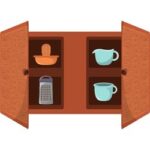
- A storage unit with doors.
- Keeps household items, dishes, food supplies, or personal belongings hidden and organized behind closed doors.
2. Closet (Kloz-it)
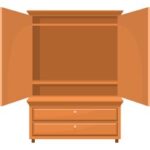
- A space used for storing clothes and personal items.
- Provides room for hanging garments, storing shoes, and organizing accessories. In many homes, closets are built into the wall.
3. Drawer Unit (Draw-er Yoo-nit)
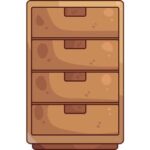
- A furniture piece containing multiple drawers.
- Helps organize clothing, documents, and everyday items while keeping them easily accessible. As a result, rooms stay cleaner and more organized.
4. Shelf Unit (Shelf Yoo-nit)
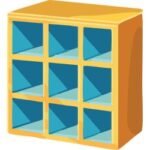
- A storage structure made up of several shelves.
- Offers open storage for books, decorative items, baskets, and other household belongings. Unlike closed storage, everything remains visible and easy to reach.
5. Trunk (Trungk)
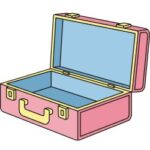
- A large storage box used for keeping belongings.
- Provides extra space for storing clothes, blankets, toys, or seasonal items. In addition, some trunks can also serve as decorative furniture pieces.
Outdoor Furniture for Gardens and Patios
Spending time outdoors becomes more comfortable with furniture designed for open spaces. Whether it’s a garden, balcony, patio, or backyard, these furniture items are commonly used for relaxation, dining, and enjoying fresh air.
1. Garden Chair (Gar-dn Chair)
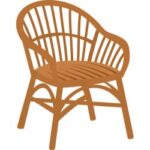
- A chair made for outdoor seating.
- Provides a comfortable place to sit in gardens, patios, and other outdoor areas. Many garden chairs are made from weather-resistant materials.
2. Patio Table (Pat-ee-oh Tay-buhl)
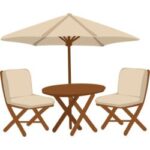
- A table designed for outdoor use.
- Creates a convenient space for meals, drinks, and gatherings outside the home. As a result, it is often paired with outdoor chairs.
3. Bench (Bench)
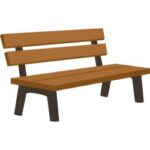
- A long seat designed for multiple people.
- Offers shared seating in gardens, parks, and public spaces. Unlike individual chairs, a bench can accommodate several people at once.
4. Sun Lounger (Sun Lown-jer)
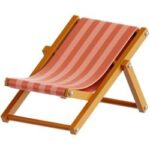
- A reclining chair used for relaxation outdoors.
- Allows users to stretch out and rest comfortably while enjoying sunshine or fresh air. Many models feature adjustable backrests.
5. Hammock (Ham-uhk)

- A hanging bed made from fabric, rope, or netting.
- Suspends between two supports and provides a relaxing place to rest. In addition, many people use hammocks for reading, napping, or enjoying outdoor scenery.
Furniture Commonly Found in Children’s Rooms
Children use furniture that is specially designed for their size, comfort, and safety. From sleeping and studying to storing toys, these furniture items are commonly found in nurseries, bedrooms, and playrooms.
1. Crib (K-rib)
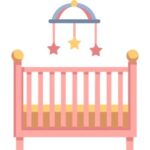
- A small bed designed for babies.
- Features protective sides that help keep infants safe while sleeping. As a result, it is one of the most important furniture items in a nursery.
2. Toy Chest (To-y Che-st)

- A storage box used for toys.
- Provides a convenient place to keep toys organized and easy to access. Besides reducing clutter, it helps children learn good storage habits.
3. Study Desk (Stud-ee De-sk)
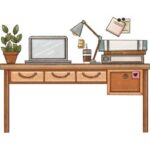
- A desk used for learning activities.
- Offers a dedicated space for reading, writing, drawing, and completing homework. Many study desks also include shelves or drawers for supplies.
4. Kids Chair (K-i-d-s’-Ch-ai-r)
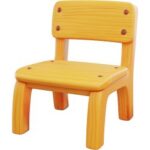
- A chair made specifically for children.
- Comes in a smaller size to match a child’s height and provide comfortable seating. Unlike standard chairs, it is designed with children’s needs in mind.
Decorative and Specialty Furniture Items
Not all furniture is designed for sitting, sleeping, or storage. Some pieces are created to add beauty, display special items, or serve a unique purpose within a room. Learning these furniture names can help you describe home interiors and decorative spaces more accurately in English.
1. Console Table (Kon-sohl Tay-buhl)
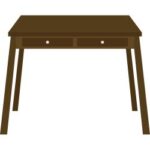
- A narrow table often placed against a wall.
- Commonly found in hallways, entryways, or living rooms and provides space for decorative items such as lamps, plants, or photo frames.
2. Vanity Unit (Van-i-tee Yoo-nit)
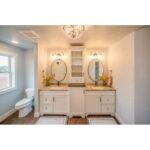
- A furniture piece used for personal grooming.
- Combines a mirror with storage space for cosmetics, jewelry, and other personal belongings. In many bedrooms, it also serves as a dressing area.
3. Room Divider (Room Di-vy-der)
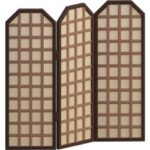
- A furniture item used to separate spaces.
- Creates distinct areas within a room without the need for permanent walls. As a result, it is often used in large or open-plan spaces.
4. Showcase Cabinet (Shoh-kays Kab-i-nit)
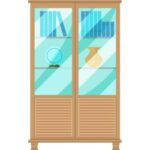
- A cabinet designed for displaying valuable or decorative items.
- Usually features glass panels that allow collectibles, trophies, or decorative pieces to remain visible while protected from dust.
5. Rocking Chair (Rok-ing Chair)
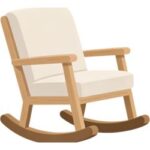
- A chair that moves back and forth on curved supports.
- Provides a gentle rocking motion that many people find relaxing. Because of its unique design, it is often used for reading, resting, or soothing babies.
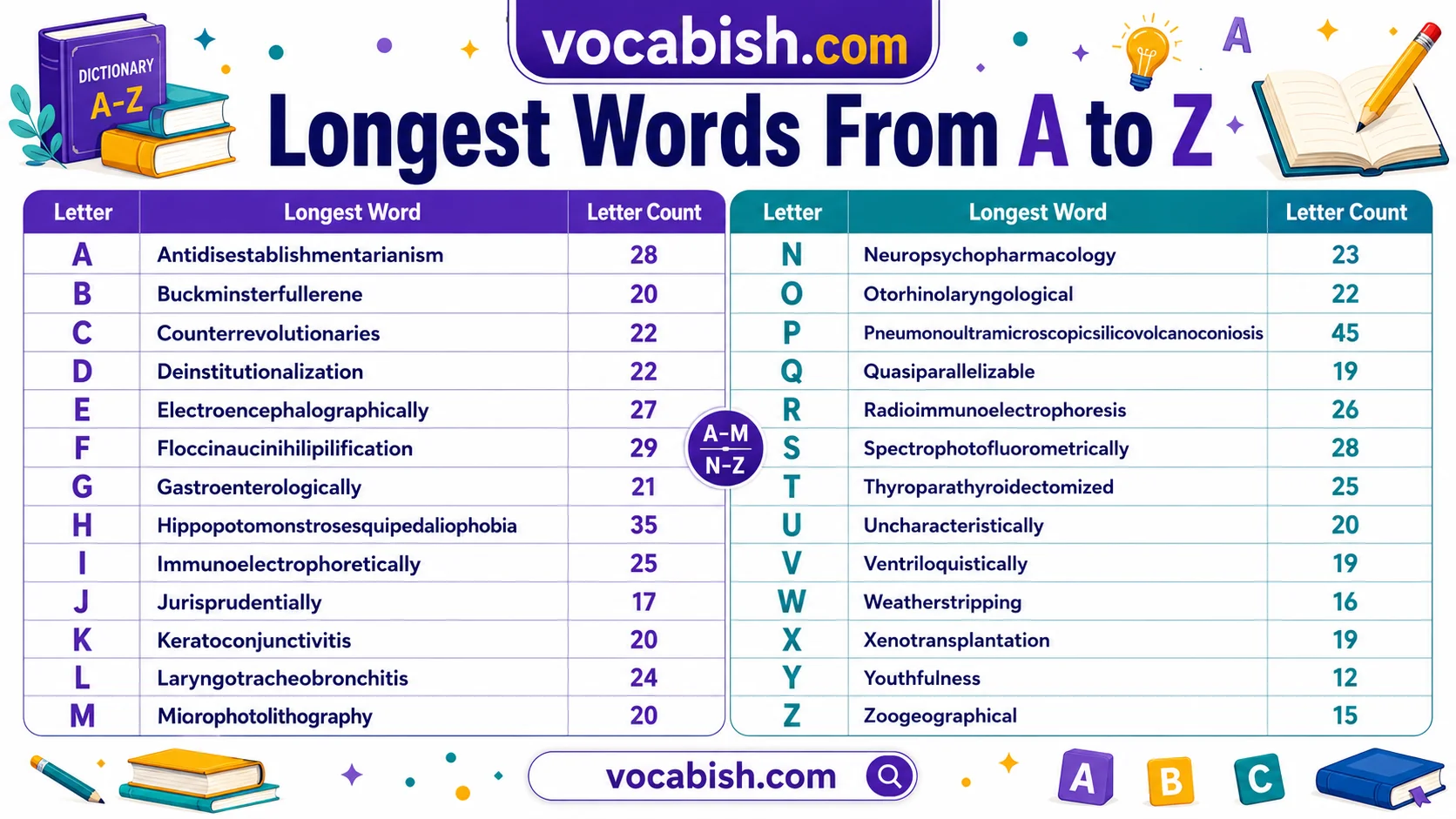
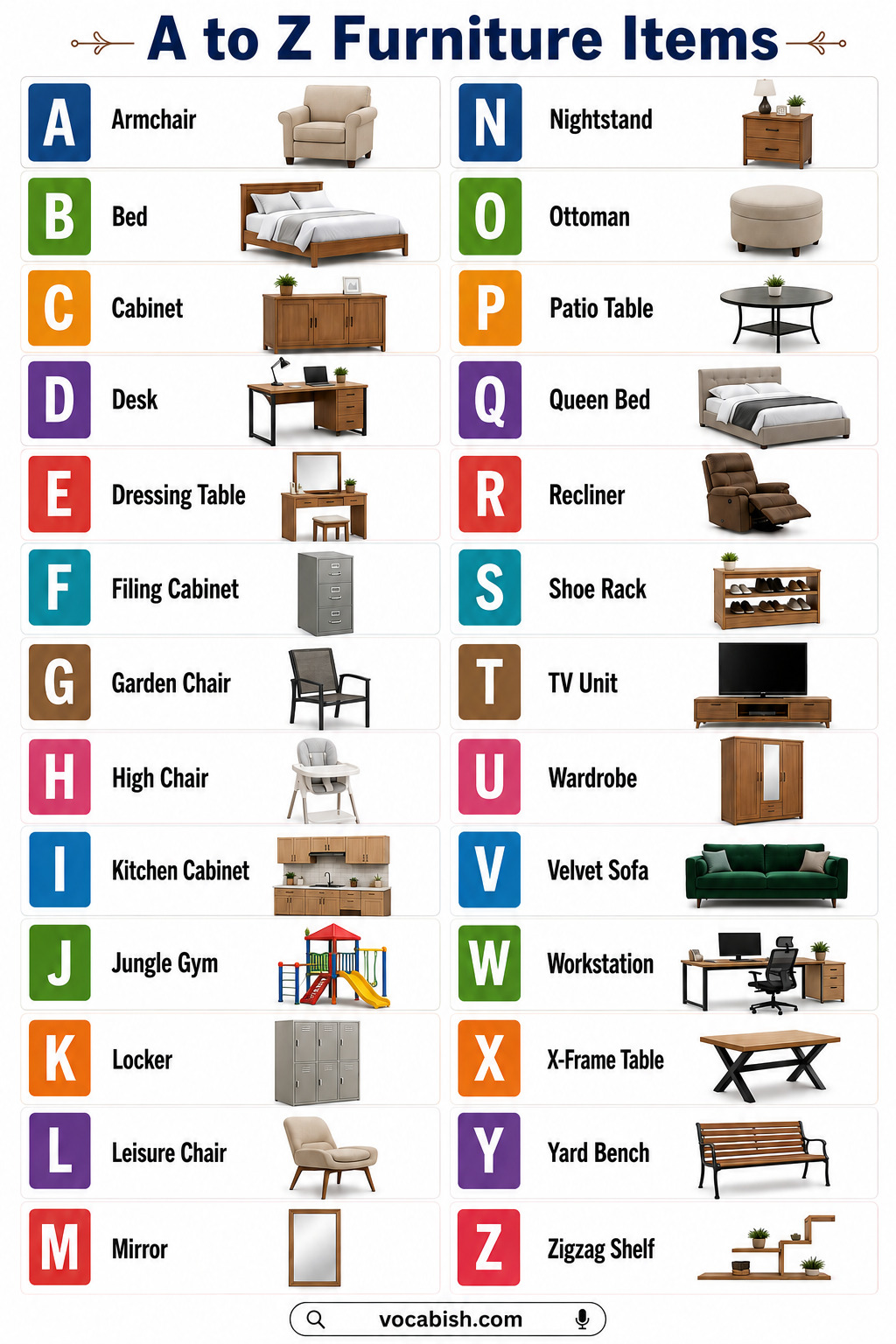
A to Z Furniture Names with Pictures
Here’s the comprehensive list of A to Z furniture item names in English:
- A: Armchair, Almirah, Adjustable bed, Accent chair, Audio cabinet, Activity table
- B: Bed, Bench, Bookshelf, Bookcase, Bunk bed, Bar stool, Bedside table, Bean bag, Buffet, Baby crib
- C: Chair, Cabinet, Coffee table, Cupboard, Couch, Chest of drawers, Console table, Computer table, Corner shelf, Coat rack, Credenza, Crib
- D: Desk, Dining table, Dining chair, Dressing table, Drawer unit, Daybed, Display cabinet
- E: End table, Executive chair, Entryway bench
- F: Filing cabinet, Footstool, Folding chair, Floor shelf, Futon
- G: Garden chair, Garden table, Glass cabinet, Guest bed
- H: High chair, Headboard, Hammock, Hospital bed, Hat stand
- I: Iron rack, Island table
- J: Jewellery cabinet, Jungle gym (kids furniture)
- K: Kitchen cabinet, Kitchen island, Kids chair, Kids desk
- L: Loveseat, Locker, Laptop table, Library shelf
- M: Mattress, Media unit, Mirror stand, Modular sofa
- N: Nightstand, Nesting table
- O: Ottoman, Office chair, Office desk
- P: Pantry cabinet, Patio chair, Patio table, Park bench, Podium
- Q: Queen bed
- R: Recliner, Rocking chair, Room divider, Reception desk
- S: Sofa, Stool, Sideboard, Shelf, Shoe rack, Study table, Storage cabinet, Swing chair
- T: Table, TV unit, Trolley, Teacher’s desk
- U: Utility cabinet
- V: Vanity table, Visitor chair, Velvet sofa
- W: Wardrobe, Workstation, Writing desk, Wall shelf
- X: X-frame table
- Y: Yoga bench, Yard bench
- Z: Z-table, Zero-gravity chair, Zigzag shelf
Different Types of Furniture in English
Furniture can be grouped into categories based on its purpose.
Type of Furniture | Examples |
|---|---|
Seating Furniture | Chair, Sofa, Recliner, Armchair |
Sleeping Furniture | Bed, Bunk Bed, Daybed |
Storage Furniture | Cabinet, Wardrobe, Dresser |
Dining Furniture | Dining Table, Dining Chair |
Office Furniture | Desk, Filing Cabinet |
Decorative Furniture | Vanity Table, Display Cabinet |
Outdoor Furniture | Patio Chair, Garden Bench |
How Furniture Names Are Used in Daily Conversations
Here are some commonly used furniture names with example sentences.
Furniture Item | Example Sentence |
|---|---|
Chair | Please sit on the chair. |
Sofa | We watched a movie on the sofa. |
Table | The books are on the table. |
Wardrobe | My clothes are inside the wardrobe. |
Desk | He studies at his desk every evening. |
Bed | The baby is sleeping on the bed. |
Cabinet | The dishes are stored in the cabinet. |
Ottoman | She rested her feet on the ottoman. |
Nightstand | The lamp is on the nightstand. |
Recliner | Grandpa enjoys sitting in the recliner. |
You May Also Like:
Easy Ways to Remember Furniture Names
Learning a long list of furniture becomes easier when you connect words with objects you see every day.
Try these techniques:
- Label furniture around your house with English names.
- Use flashcards with pictures.
- Practice describing rooms aloud.
- Learn furniture by category instead of random words.
- Write short sentences using new vocabulary.
- Match furniture names with pictures regularly.
Frequently Asked Questions
Furniture items are called movable objects used in homes, offices, schools, and public places for sitting, sleeping, storing, working, or decorating spaces.
Some common furniture names include chair, table, sofa, bed, wardrobe, cabinet, desk, dresser, nightstand, and bookshelf.
A wardrobe stores clothing, while a cabinet is usually used to store dishes, documents, food, or household items.
The main categories include seating furniture, sleeping furniture, storage furniture, dining furniture, office furniture, and outdoor furniture.
Common furniture items include bed, chair, table, sofa, cupboard, wardrobe, desk, shelf, bookshelf, dining table, and TV unit, used in daily life.
Furniture parts usually include legs, frame, seat, backrest, armrests, drawers, shelves, doors, and surfaces, depending on the furniture type and use.
A fancy name for furniture is furnishings, home furnishings, or interior furnishings, often used in design, hotels, and luxury spaces.
Furniture that starts with M includes mattress, mirror stand, media unit, modular sofa, metal cabinet, and massage chair.
Conclusion
Now take a quick look around you. How many furniture items can you name in English without checking the list?
Maybe you spotted a chair, desk, wardrobe, or sofa nearby. That’s the best way to build vocabulary—connecting new words to objects you see every day.
The A to Z list of furniture items in this article gives you a strong foundation for talking about your home, describing rooms, shopping for household products, and improving everyday English conversations. Don’t worry about memorizing every word at once. Start with the furniture you use most often and add a few new names each week.
Before you go, try this mini challenge:
Can you write five sentences using these furniture items?
- Bed
- Table
- Sofa
- Wardrobe
- Cabinet
The more you use these words in speaking and writing, the easier they become to remember.