
Invertebrate animals are animals that do not have a backbone or vertebral column. They include insects, spiders, crabs, snails, worms, jellyfish, corals, and many other familiar creatures. These animals live on land, in soil, in freshwater, and throughout the oceans. In this blog post, you will learn their main types, common names, important features, and examples with pictures.
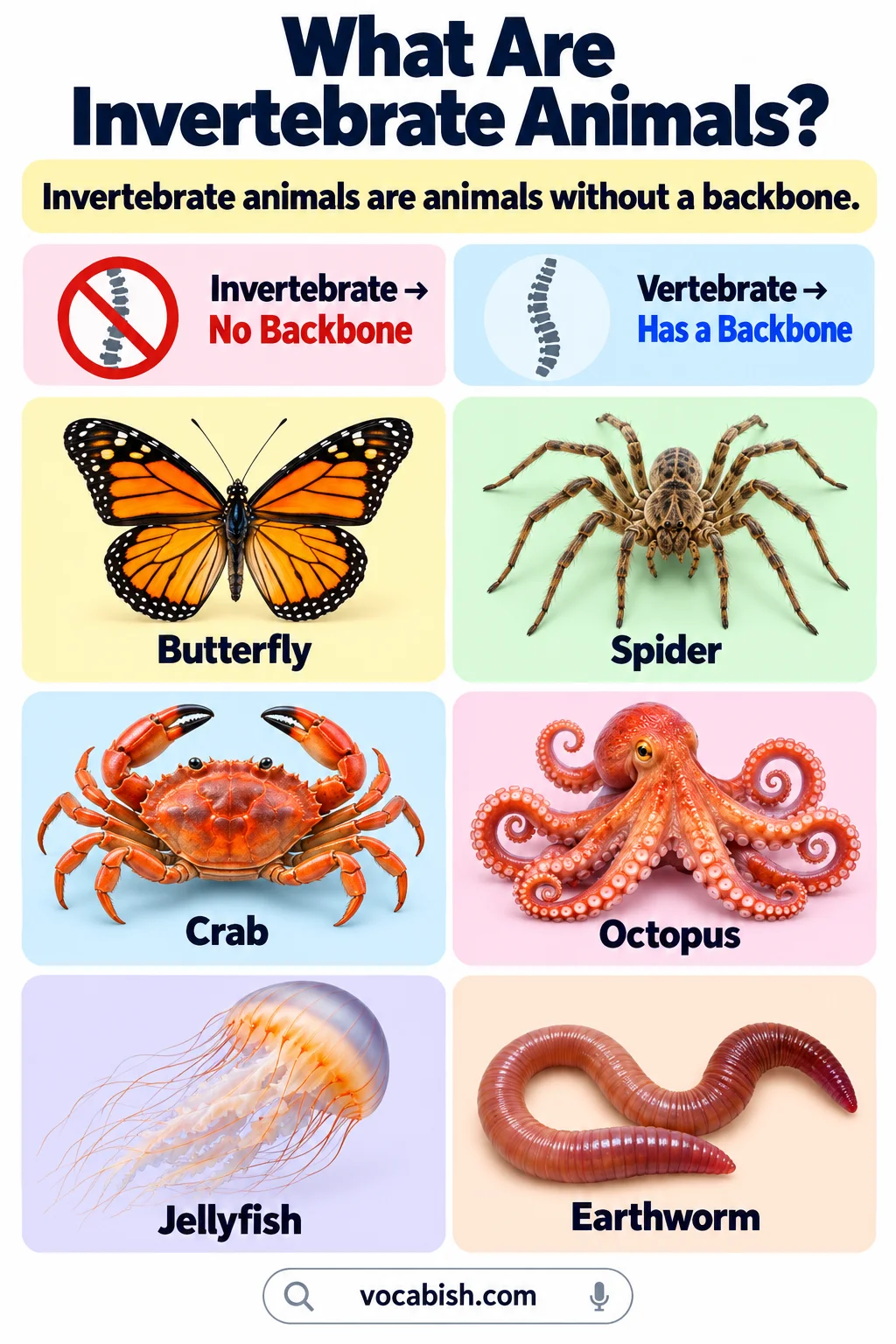
What Are Invertebrate Animals?
Invertebrate animals are animals that do not have a vertebral column, commonly called a backbone. They range from microscopic organisms to very large marine animals such as giant squid.
The word can be understood as:
- Invertebrate → animal without a backbone
- Vertebrate → animal with a vertebral column or backbone
- Vertebra → one of the bones forming a vertebrate’s spinal column
- Exoskeleton → hard outer supporting covering found in animals such as insects and crabs
- Endoskeleton → internal supporting structure found in animals such as sea stars and vertebrates
An invertebrate does not necessarily have a soft body. Beetles, crabs, scorpions, and many other species have strong external skeletons even though they lack backbones.
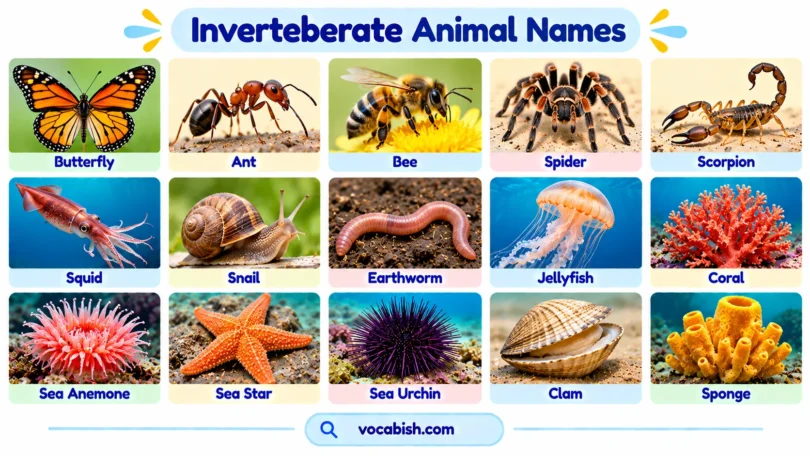
Common Invertebrate Animal Names with Pictures
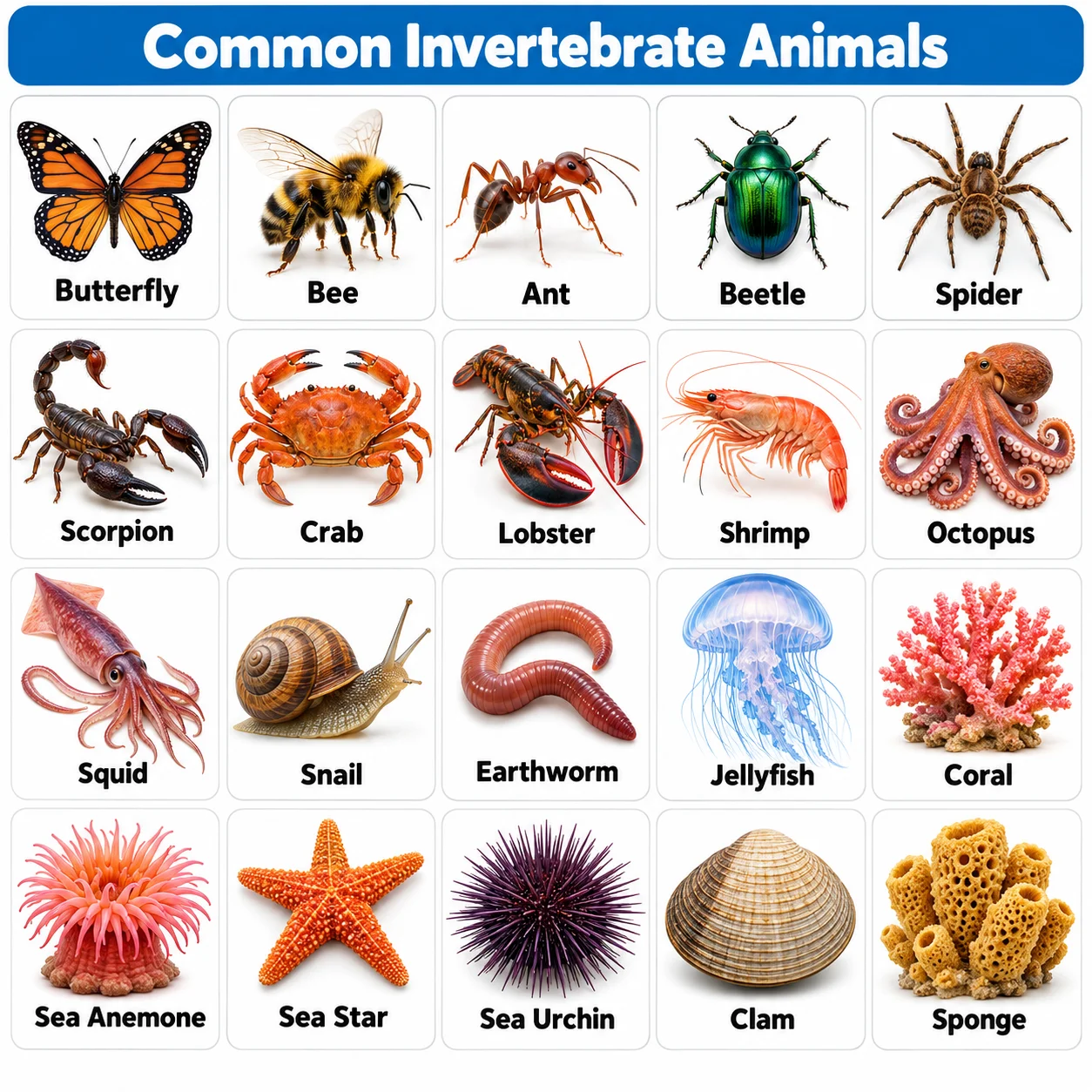
These familiar examples show how varied invertebrates can be. Some live on land, some fly, and others spend their entire lives in freshwater or the sea.
Butterfly
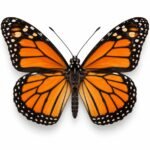
A butterfly is an insect with six legs, two antennae, and two pairs of wings. Its wings are covered with tiny scales that create different colours and patterns. A butterfly develops through egg, caterpillar, pupa, and adult stages.
Bee
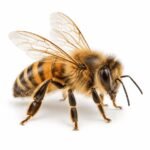
A bee is a six-legged insect closely related to wasps and ants. Many bee species collect pollen and nectar from flowers. Bees are important pollinators for wild plants and many food crops.
Ant
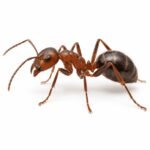
An ant is a social insect that usually lives in an organised colony. Ants have six legs, antennae, and a body divided into three main sections. A colony may include workers, males, and one or more queens.
Beetle
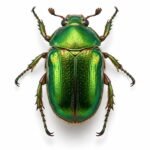
A beetle is an insect recognised by its hardened front wings, called elytra. Beetles occur in many shapes, sizes, and colours. They form one of the largest groups of insects.
Spider
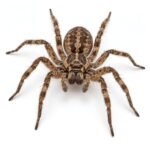
A spider is an arachnid, not an insect. It has eight legs and two main body regions, while insects have six legs and three main body regions. Many spiders produce silk for webs, egg sacs, shelters, or movement.
Scorpion
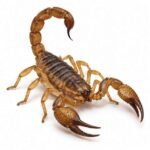
A scorpion is an arachnid with eight legs, two pincers, and a curved tail. The end of its tail contains a venomous stinger. Scorpions usually hunt insects and other small animals.
Crab
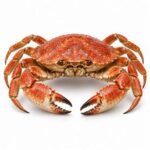
A crab is a crustacean with a hard outer covering called an exoskeleton. Most crabs have ten legs, with the first pair often forming claws. Many species live in oceans, although some occur in freshwater or on land.
Lobster
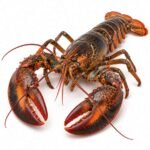
A lobster is a large marine crustacean with a hard exoskeleton. It has five pairs of walking legs, and some species have large front claws. Lobsters normally live on or near the sea floor.
Shrimp
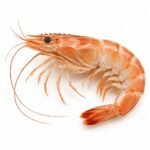
A shrimp is a small crustacean with a flexible body and several pairs of legs. Most shrimp live in water, especially marine environments. They are important food for many fish and other aquatic animals.
Octopus
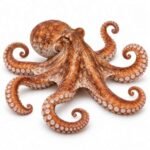
An octopus is a soft-bodied mollusc with eight arms. It has no internal or external shell in most species. Octopuses can change their colour and body pattern and are known for complex behaviour and problem-solving abilities.
Squid
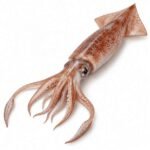
A squid is a marine mollusc related to octopuses and cuttlefish. It has eight shorter arms and two longer tentacles. Squid move by forcing water through a muscular structure called a siphon.
Snail
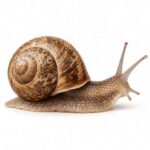
A snail is a mollusc that usually carries a coiled shell. It moves using a broad muscular foot and produces mucus that helps it travel across surfaces. Snails occur on land and in both freshwater and marine habitats.
Earthworm
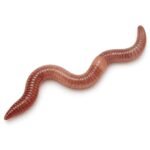
An earthworm is a segmented worm belonging to the annelid group. Its body consists of many ring-like sections. Earthworms burrow through soil and feed on organic material.
Jellyfish
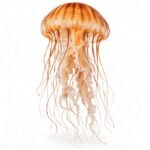
A jellyfish is a soft-bodied cnidarian with a bell-shaped body and tentacles. Its tentacles contain specialised stinging cells called cnidocytes. Most jellyfish live in marine environments.
Coral
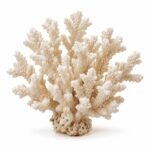
Corals are cnidarian animals that usually live as colonies of many small individuals called polyps. Many reef-building corals produce hard calcium carbonate skeletons. Large coral colonies can form complex reef habitats.
Sea Anemone
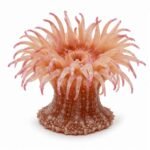
A sea anemone is a marine cnidarian with a soft cylindrical body. Its mouth is surrounded by tentacles containing stinging cells. Sea anemones normally attach themselves to rocks or other firm surfaces.
Sea Star
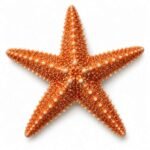
A sea star, commonly called a starfish, is an echinoderm rather than a fish. Most species have five arms arranged around a central body, although some have more. Sea stars live only in marine environments.
Sea Urchin
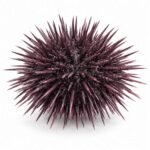
A sea urchin is a round or flattened echinoderm covered with movable spines. It lives on the sea floor and moves using small tube feet. Many sea urchins feed on algae.
Clam
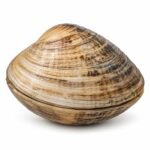
A clam is a bivalve mollusc protected by two hinged shell halves. Most species live partly or completely buried in sand, mud, or sediment. Many clams obtain food by filtering small particles from water.
Sponge
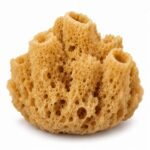
A sponge is an aquatic animal belonging to the phylum Porifera. Its body contains many pores through which water passes. Adult sponges usually remain attached to a surface rather than moving from place to place.
Main Characteristics of Invertebrates
Many invertebrates differ greatly from one another, so no single body plan describes all of them.
Feature | Invertebrates |
|---|---|
Backbone | Absent |
Body size | Microscopic to very large |
Body covering | Skin, shell, cuticle, exoskeleton, spines, or other coverings |
Limbs | May be present or absent |
Habitat | Land, freshwater, marine environments, soil, or other organisms |
Reproduction | Sexual, asexual, or both depending on the species |
Symmetry | Bilateral, radial, asymmetrical, or other forms |
Examples | Ant, spider, crab, snail, jellyfish, earthworm |
Major Types of Invertebrate Animals
Invertebrates are divided into many groups based on body structure, development, habitat, and evolutionary relationships. Some groups are very familiar, while others contain tiny or rarely seen animals. The descriptions below highlight the most useful identifying features of each group.
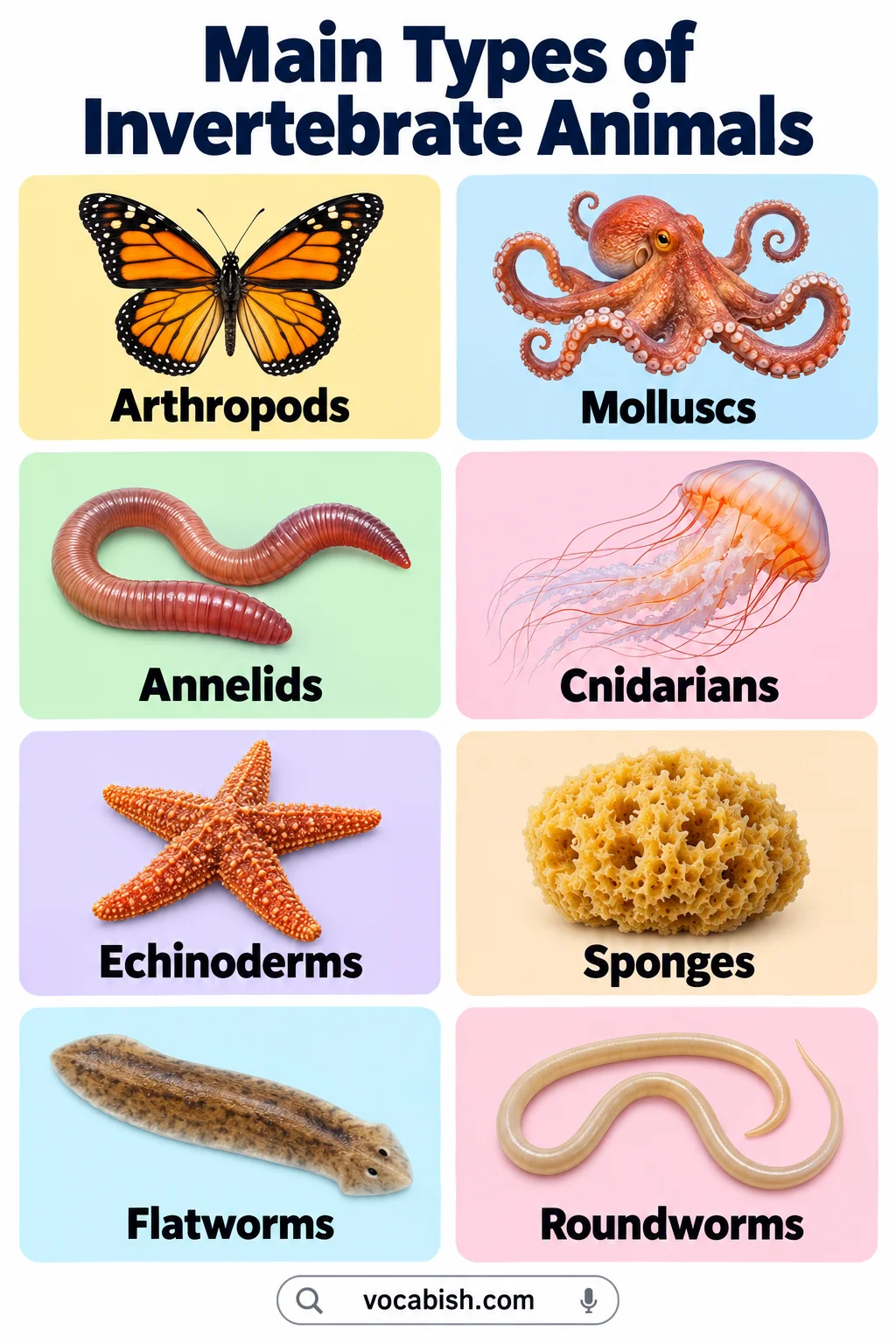
Arthropods
Arthropods are the largest group of animals and include insects, spiders, crabs, centipedes, and millipedes. They have jointed legs, segmented bodies, and a hard outer covering called an exoskeleton. Because the exoskeleton cannot grow continuously, arthropods must shed it as they become larger.
Molluscs
Molluscs include snails, slugs, clams, oysters, squid, and octopuses. Most have a soft body, and many species protect themselves with a shell. Octopuses and squid are unusual molluscs because they are active predators with highly developed nervous systems.
Annelids
Annelids are segmented worms such as earthworms, leeches, and marine bristle worms. Their bodies are divided into repeated ring-like sections. Earthworms help mix soil and break down dead organic matter.
Cnidarians
Cnidarians include jellyfish, corals, sea anemones, and hydras. They have special stinging cells called cnidocytes, which help them catch food or defend themselves. Many species have radial symmetry and live in marine environments.
Echinoderms
Echinoderms include sea stars, sea urchins, brittle stars, and sea cucumbers. Adults usually have a five-part radial body pattern and a unique water vascular system. They live only in marine habitats.
Sponges
Sponges belong to the group Porifera and are among the simplest multicellular animals. Their bodies contain many pores that allow water to flow through them. They filter tiny food particles from the surrounding water.
Flatworms
Flatworms have soft, flattened bodies and no true body cavity. The group includes free-living planarians as well as parasitic tapeworms and flukes. Many flatworms have simple nervous systems and can regenerate damaged tissues.
Roundworms
Roundworms, or nematodes, have long, cylindrical bodies that are not divided into segments. They occur in soil, water, plants, animals, and many other environments. Some are free-living, while others are parasites.
Comb Jellies
Comb jellies are transparent marine animals belonging to the group Ctenophora. They move using rows of tiny hair-like structures called cilia, which can reflect light and produce rainbow-like colours. Unlike jellyfish, most comb jellies do not use stinging cells.
Ribbon Worms
Ribbon worms have long, soft bodies and belong to the group Nemertea. Many use a specialised extendable proboscis to capture prey. Some species can stretch to impressive lengths despite having very narrow bodies.
Rotifers
Rotifers are microscopic or nearly microscopic animals found mainly in freshwater. A ring of moving cilia around the head can look like a rotating wheel. This structure helps them move water and collect food particles.
Bryozoans
Bryozoans are small aquatic animals that usually live in colonies. Each individual, called a zooid, has a ring of tentacles used for feeding. Colonies may form branching, crust-like, or lace-like structures.
Brachiopods
Brachiopods are marine animals protected by two shells. They may look like clams, but their body organisation and shell arrangement are different. Brachiopods were especially abundant in ancient seas and are common in the fossil record.
Tardigrades
Tardigrades are tiny eight-legged animals often called water bears. Many live in moss, lichens, soil, freshwater, or marine environments. Some species can enter a dormant state called cryptobiosis when conditions become extremely dry or harsh.
Velvet Worms
Velvet worms have soft, flexible bodies and many pairs of short legs. They live mainly in moist tropical and subtropical habitats. They capture small prey by squirting sticky material from specialised glands.
Arrow Worms
Arrow worms are slender marine predators belonging to the group Chaetognatha. They have grasping spines near the mouth that help capture tiny animals. Many form part of ocean plankton.
Acorn Worms
Acorn worms are marine animals that burrow in sand or mud. Their front body region is shaped somewhat like an acorn, which gives them their common name. They belong to Hemichordata and feed on suspended or deposited organic material.
Pterobranchs
Pterobranchs are small marine hemichordates that usually live in colonies. They have tentacled arms that collect tiny food particles from the water. Many live inside tube-like structures attached to the sea floor.
Horsehair Worms
Horsehair worms are very long, thin worms belonging to Nematomorpha. Their larvae develop as parasites inside insects and other arthropods. Adults are usually free-living and are often found in freshwater or damp environments.
Thorny-Headed Worms
Thorny-headed worms are parasites belonging to Acanthocephala. They have a retractable proboscis covered with hooks that anchors them inside a host’s intestine. Their life cycle usually involves more than one host.
Peanut Worms
Peanut worms belong to Sipuncula and have unsegmented, soft bodies. The front part of the body can be pulled inside the trunk, giving some species a peanut-like shape. Most live in marine sediments, rock cracks, or empty shells.
Spoon Worms
Spoon worms have soft, unsegmented bodies and a long, spoon-shaped proboscis. They live mainly on or beneath the sea floor. The proboscis helps collect organic particles from surrounding sediment.
Gastrotrichs
Gastrotrichs are tiny aquatic animals often found between grains of sand or among freshwater plants. Their bodies are covered with small hair-like cilia. Many feed on bacteria, algae, and microscopic organic particles.
Kinorhynchs
Kinorhynchs are microscopic marine animals commonly called mud dragons. Their bodies are divided into several small segments and covered with spines. They live between sediment particles on the sea floor.
Priapulid Worms
Priapulid worms are marine burrowing animals with cylindrical bodies. They have a retractable front section armed with small spines. Most live in soft sea-floor sediments and feed on small organisms or organic matter.
Loriciferans
Loriciferans are extremely small marine animals that live among grains of sea-floor sediment. Their bodies are partly enclosed by a protective covering called a lorica. They were first formally described by scientists in the twentieth century.
Entoprocts
Entoprocts are tiny aquatic animals that may live alone or in colonies. Their tentacles form a crown around the mouth and anus. Many attach themselves to rocks, shells, algae, or other marine animals.
Phoronids
Phoronids are slender marine animals commonly called horseshoe worms. They live inside protective tubes and extend a horseshoe-shaped crown of tentacles for feeding. These tentacles collect suspended particles from the water.
Gnathostomulids
Gnathostomulids are minute marine worms that live between sand grains in oxygen-poor sediments. They have specialised jaw structures used to scrape bacteria and other material from surfaces. Most are less than a few millimetres long.
Cycliophorans
Cycliophorans are microscopic animals best known for living on the mouthparts of lobsters. They attach to their host and feed on tiny food particles left during feeding. Their life cycle includes several unusual body forms.
Placozoans
Placozoans are tiny, flat marine animals with very simple bodies. They have no true organs, muscles, or nervous system in the usual sense. They move across surfaces using cilia and feed on microorganisms and organic material.
Dicyemids
Dicyemids are tiny worm-like animals that live as parasites or symbionts in the renal organs of cephalopods. Their bodies contain relatively few cells. They are commonly found in hosts such as octopuses and cuttlefish.
Orthonectids
Orthonectids are minute parasites that live inside various marine invertebrates. Their bodies are structurally simple, especially in the adult stage. They reproduce inside hosts before releasing free-swimming reproductive forms.
Acoels
Acoels are small, soft-bodied worms found mostly in marine habitats. Their bodies lack a conventional digestive cavity, and food is processed within internal tissues. Many live between sediment particles or on algae.
Xenoturbellids
Xenoturbellids are simple marine worms with soft, flattened bodies. They have no specialised respiratory or circulatory organs. Their evolutionary position attracted scientific attention because their body structure is unusually basic.
Tunicates
Tunicates include sea squirts, salps, pyrosomes, and larvaceans. Adults often look very different from vertebrates, but their larvae have a notochord and other chordate features. Most are filter feeders that live in marine environments.
Lancelets
Lancelets are small, fish-like marine chordates that usually live partly buried in sand. They have a notochord running along much of the body but no true vertebral column. Their body structure helps scientists study early chordate evolution.
List of Invertebrate Animal Names by Group
Insects
- Ant
- Bee
- Bumblebee
- Honeybee
- Wasp
- Hornet
- Butterfly
- Moth
- Beetle
- Ladybird
- Firefly
- Weevil
- Stag Beetle
- Dung Beetle
- Rhinoceros Beetle
- Ground Beetle
- Click Beetle
- Longhorn Beetle
- Scarab Beetle
- Fly
- Housefly
- Fruit Fly
- Horsefly
- Hoverfly
- Blowfly
- Mosquito
- Midge
- Gnat
- Dragonfly
- Damselfly
- Grasshopper
- Cricket
- Locust
- Katydid
- Cockroach
- Termite
- Praying Mantis
- Stick Insect
- Leaf Insect
- Earwig
- Flea
- Louse
- Bed Bug
- Stink Bug
- Assassin Bug
- Shield Bug
- Water Bug
- Water Strider
- Aphid
- Cicada
- Leafhopper
- Planthopper
- Treehopper
- Whitefly
- Scale Insect
- Mealybug
- Thrips
- Lacewing
- Antlion
- Alderfly
- Dobsonfly
- Snakefly
- Scorpionfly
- Caddisfly
- Mayfly
- Stonefly
- Sawfly
- Webspinner
- Silverfish
- Firebrat
- Barklouse
- Booklouse
Related Resources: 100+ Insects Names in English with Pictures
Arachnids
- Spider
- Tarantula
- Jumping Spider
- Wolf Spider
- Orb-Weaver
- Huntsman Spider
- Trapdoor Spider
- Crab Spider
- House Spider
- Scorpion
- Tick
- Mite
- Harvestman
- Pseudoscorpion
- Whip Spider
- Whip Scorpion
- Vinegaroon
- Solifuge
- Schizomid
Learn more about Arachnids with their pictures for identification.
Myriapods
- Centipede
- Millipede
- House Centipede
- Stone Centipede
- Soil Centipede
- Giant Centipede
- Flat-Backed Millipede
- Pill Millipede
- Symphylan
- Pauropod
Crustaceans
- Crab
- Hermit Crab
- Fiddler Crab
- Ghost Crab
- King Crab
- Spider Crab
- Coconut Crab
- Shore Crab
- Lobster
- Spiny Lobster
- Slipper Lobster
- Crayfish
- Shrimp
- Prawn
- Mantis Shrimp
- Cleaner Shrimp
- Krill
- Barnacle
- Woodlouse
- Pill Bug
- Sowbug
- Amphipod
- Copepod
- Ostracod
- Water Flea
- Isopod
- Sand Hopper
- Skeleton Shrimp
Here’s a complete guide on: Crustaceans Name and Their Pictures
Horseshoe Crabs and Sea Spiders
- Horseshoe Crab
- Atlantic Horseshoe Crab
- Mangrove Horseshoe Crab
- Coastal Horseshoe Crab
- Sea Spider
Molluscs
- Octopus
- Blue-Ringed Octopus
- Giant Pacific Octopus
- Squid
- Giant Squid
- Colossal Squid
- Cuttlefish
- Nautilus
- Snail
- Garden Snail
- Roman Snail
- Apple Snail
- Cone Snail
- Cowrie
- Limpet
- Abalone
- Conch
- Whelk
- Periwinkle
- Sea Snail
- Slug
- Sea Slug
- Nudibranch
- Clam
- Giant Clam
- Cockle
- Mussel
- Oyster
- Scallop
- Razor Clam
- Shipworm
- Chiton
- Tusk Shell
Read more about: Molluscs Name and Pictures
Annelids
- Earthworm
- Leech
- Ragworm
- Lugworm
- Bristle Worm
- Feather Duster Worm
- Fan Worm
- Tube Worm
- Giant Tube Worm
- Scale Worm
- Fireworm
- Clam Worm
- Parchment Worm
Cnidarians
- Jellyfish
- Moon Jellyfish
- Box Jellyfish
- Lion’s Mane Jellyfish
- Sea Nettle
- Upside-Down Jellyfish
- Sea Anemone
- Carpet Anemone
- Tube Anemone
- Hydra
- Coral
- Stony Coral
- Soft Coral
- Brain Coral
- Elkhorn Coral
- Staghorn Coral
- Mushroom Coral
- Fire Coral
- Sea Fan
- Sea Whip
- Sea Pen
- Portuguese Man-of-War
- Blue Button
- By-the-Wind Sailor
Echinoderms
- Sea Star
- Sunflower Sea Star
- Crown-of-Thorns Sea Star
- Brittle Star
- Basket Star
- Sea Urchin
- Pencil Urchin
- Heart Urchin
- Sand Dollar
- Sea Biscuit
- Sea Cucumber
- Feather Star
- Sea Lily
Here’s a detail guide on: Echinoderms with their names and pictures
Sponges
- Bath Sponge
- Barrel Sponge
- Tube Sponge
- Glass Sponge
- Vase Sponge
- Rope Sponge
- Encrusting Sponge
- Boring Sponge
- Venus’ Flower Basket
Flatworms
- Planarian
- Marine Flatworm
- Tapeworm
- Beef Tapeworm
- Pork Tapeworm
- Fish Tapeworm
- Liver Fluke
- Blood Fluke
- Lung Fluke
- Monogenean
Roundworms
- Pinworm
- Hookworm
- Whipworm
- Ascaris
- Heartworm
- Filarial Worm
- Guinea Worm
- Vinegar Eel
- Threadworm
- Root-Knot Nematode
- Potato Cyst Nematode
Comb Jellies
- Sea Gooseberry
- Sea Walnut
- Venus’ Girdle
- Cestid Comb Jelly
- Lobate Comb Jelly
Ribbon Worms
- Bootlace Worm
- Ribbon Worm
- Proboscis Worm
Rotifers
- Wheel Animalcule
- Bdelloid Rotifer
- Monogonont Rotifer
- Seisonid Rotifer
Bryozoans
- Moss Animal
- Lace Coral
- Sea Mat
- Freshwater Bryozoan
Brachiopods
- Lamp Shell
- Lingula
- Terebratulid
Tardigrades
- Water Bear
- Moss Piglet
- Marine Tardigrade
Velvet Worms
- Velvet Worm
- Peripatus
Horsehair Worms
- Horsehair Worm
- Gordian Worm
Thorny-Headed Worms
- Thorny-Headed Worm
- Acanthocephalan
Peanut Worms
- Peanut Worm
- Sipunculan
Spoon Worms
- Spoon Worm
- Innkeeper Worm
- Green Spoon Worm
Arrow Worms
- Arrow Worm
- Chaetognath
Hemichordates
- Acorn Worm
- Pterobranch
Priapulids
- Priapulid Worm
- Cactus Worm
Kinorhynchs
- Mud Dragon
Gastrotrichs
- Hairyback
- Gastrotrich
Loriciferans
- Loriciferan
Gnathostomulids
- Jaw Worm
Entoprocts
- Goblet Worm
- Entoproct
Phoronids
- Horseshoe Worm
- Phoronid
Cycliophorans
- Symbion
Placozoans
- Trichoplax
- Placozoan
Dicyemids
- Dicyemid
- Rhombozoan
Orthonectids
- Orthonectid
Acoels
- Acoel
- Acoel Flatworm
Xenoturbellids
- Xenoturbella
- Sock Worm
Tunicates
- Sea Squirt
- Salp
- Pyrosome
- Larvacean
- Appendicularian
- Doliolid
Lancelets
- Lancelet
- Amphioxus
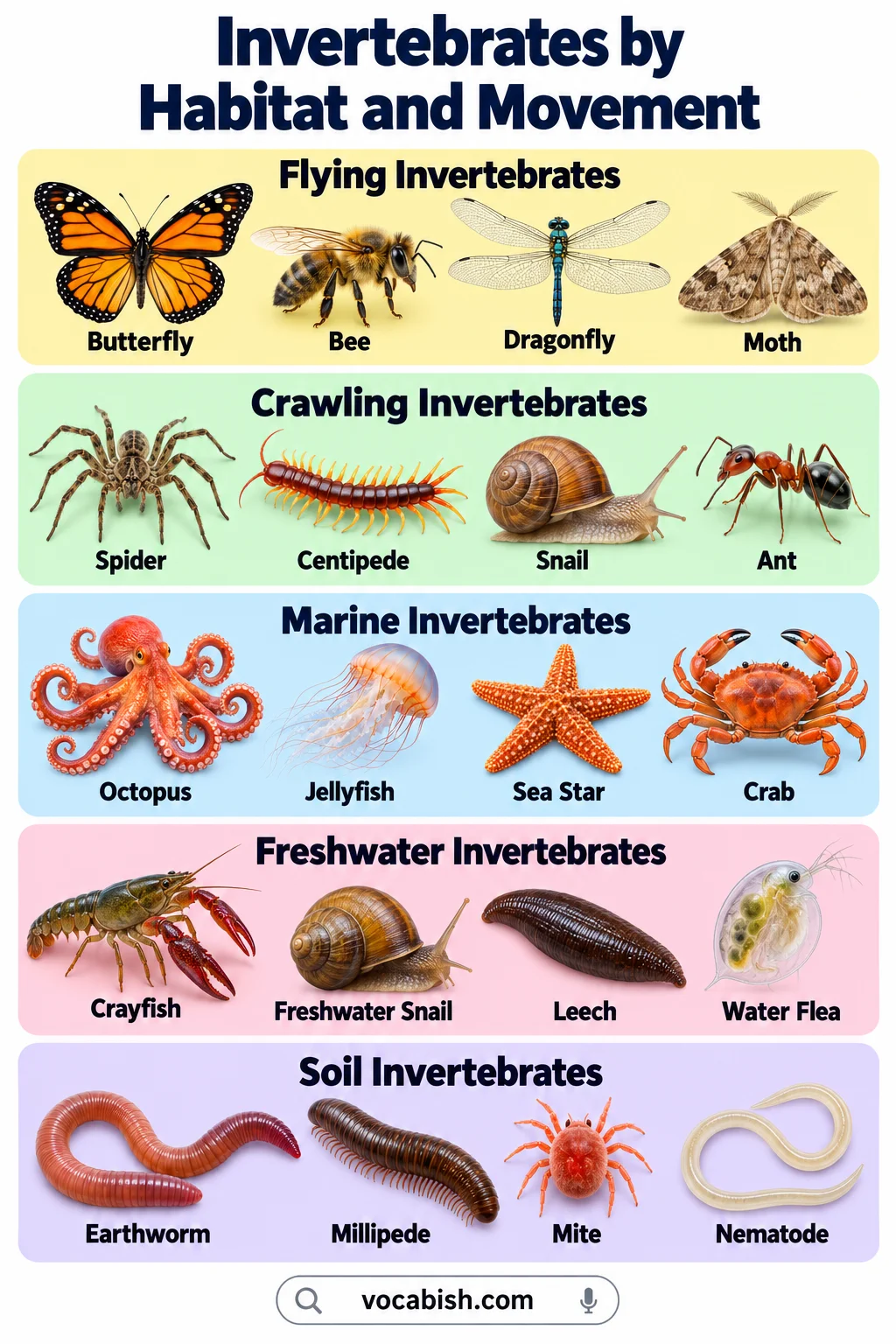
Invertebrates Animals by Habitat and Movement
Flying Invertebrates
Flying invertebrates are animals without backbones that can move through the air. Most are insects, such as butterflies, bees, flies, moths, and dragonflies.
- Butterfly
- Moth
- Bee
- Wasp
- Hornet
- Dragonfly
- Damselfly
- Fly
- Mosquito
- Gnat
- Beetle
- Firefly
- Cicada
- Grasshopper
- Locust
- Lacewing
- Mayfly
- Stonefly
- Caddisfly
Crawling Invertebrates
Crawling invertebrates move along the ground, plants, rocks, or other surfaces. Common examples include ants, spiders, centipedes, millipedes, snails, and slugs.
- Ant
- Beetle
- Cockroach
- Termite
- Earwig
- Spider
- Scorpion
- Tick
- Mite
- Centipede
- Millipede
- Snail
- Slug
- Earthworm
- Leech
- Velvet Worm
Marine Invertebrates
Marine invertebrates live in oceans and seas. This group includes octopuses, jellyfish, corals, crabs, lobsters, sea stars, sea urchins, and many molluscs.
- Octopus
- Squid
- Cuttlefish
- Nautilus
- Jellyfish
- Coral
- Sea Anemone
- Sponge
- Sea Star
- Brittle Star
- Sea Urchin
- Sea Cucumber
- Crab
- Lobster
- Shrimp
- Prawn
- Krill
- Barnacle
- Oyster
- Clam
- Mussel
- Scallop
- Chiton
- Sea Slug
- Comb Jelly
- Ribbon Worm
- Brachiopod
- Sea Squirt
- Salp
- Lancelet
Freshwater Invertebrates
Freshwater invertebrates live in rivers, lakes, ponds, and streams. Examples include crayfish, freshwater snails, water fleas, leeches, hydras, and insect larvae.
- Crayfish
- Freshwater Shrimp
- Water Flea
- Copepod
- Apple Snail
- Freshwater Mussel
- Leech
- Hydra
- Planarian
- Rotifer
- Freshwater Bryozoan
- Mosquito Larva
- Dragonfly Nymph
- Damselfly Nymph
- Mayfly Nymph
- Caddisfly Larva
- Stonefly Nymph
Soil Invertebrates
Soil invertebrates live in or on the soil and often help break down organic material. Earthworms, ants, mites, centipedes, millipedes, and nematodes are common examples.
- Earthworm
- Ant
- Termite
- Beetle
- Beetle Larva
- Springtail
- Mite
- Centipede
- Millipede
- Nematode
- Slug
- Snail
- Symphylan
- Pauropod
Vertebrates vs Invertebrates
The easiest distinction is the presence or absence of a vertebral column. Both groups contain animals with many different body shapes, habitats, diets, and methods of movement.
Feature | Invertebrates | Vertebrates |
|---|---|---|
Vertebral column | Absent | Present |
Examples | Butterfly, spider, crab, snail | Fish, frog, bird, dog |
Skeleton | May have an exoskeleton, internal support, shell, or no hard skeleton | Internal skeleton with a vertebral column |
Body forms | Extremely varied | Built around a vertebrate body plan |
Major groups | Arthropods, molluscs, cnidarians, echinoderms and others | Fish, amphibians, reptiles, birds and mammals |
A crab has a hard body covering but is still an invertebrate because that covering is an exoskeleton, not a vertebral column.
A sea star has an internal skeleton made of small calcium carbonate plates, but it has no backbone and remains an invertebrate.
Fun Facts About Invertebrate Animals
- Octopuses have three hearts: Two hearts send blood to the gills, while the third pumps blood through the rest of the body.
- Octopus blood is blue: It contains a copper-based protein called hemocyanin, which carries oxygen through the body.
- Sea stars can regrow lost arms: Many species can replace damaged arms, and some can regenerate much more of their body when part of the central disc remains.
- Tardigrades can survive extreme conditions: These tiny animals can enter a dormant state called cryptobiosis when water becomes unavailable.
- Horseshoe crabs are not true crabs: They are chelicerates and are more closely related to spiders and scorpions than to ordinary crabs.
- Sponges have no true organs: Despite their basic body structure, they are animals that feed by filtering tiny particles from water.
- Comb jellies move with rows of cilia: Their beating cilia can scatter light into rainbow-like colours as the animals swim through the water.
- Cnidarians carry microscopic stinging cells: Jellyfish, corals, and sea anemones use specialised cells called cnidocytes to capture prey or defend themselves.
Practice Questions
Activity 1: Choose the Correct Answer
1. Which animal is an invertebrate?
A. Frog
B. Eagle
C. Octopus
D. Snake
2. Which group does a spider belong to?
A. Insects
B. Arachnids
C. Molluscs
D. Annelids
3. Which animal belongs to the mollusc group?
A. Snail
B. Ant
C. Scorpion
D. Earthworm
4. Which animal is an echinoderm?
A. Crab
B. Sea Star
C. Jellyfish
D. Squid
5. How many legs does an adult insect normally have?
A. Four
B. Six
C. Eight
D. Ten
Activity 2: Match the Animal to Its Group
- Butterfly
- Earthworm
- Jellyfish
- Lobster
- Octopus
- Sea Urchin
A. Mollusc
B. Echinoderm
C. Insect
D. Cnidarian
E. Annelid
F. Crustacean
Activity 3: Identify the Invertebrates
Choose the invertebrates from this list:
- Dog
- Crab
- Butterfly
- Parrot
- Snail
- Frog
- Spider
- Jellyfish
- Horse
- Earthworm
Answers
Activity 1
- C. Octopus
- B. Arachnids
- A. Snail
- B. Sea Star
- B. Six
Activity 2
- Butterfly → C. Insect
- Earthworm → E. Annelid
- Jellyfish → D. Cnidarian
- Lobster → F. Crustacean
- Octopus → A. Mollusc
- Sea Urchin → B. Echinoderm
Activity 3
- Crab
- Butterfly
- Snail
- Spider
- Jellyfish
- Earthworm
How to Learn Invertebrate Animals
Start with the common animal names and pictures, then compare their groups. Use the classified lists to build vocabulary and finish with the practice activities.
For faster revision, remember these familiar examples:
- Insect → Butterfly
- Arachnid → Spider
- Crustacean → Crab
- Mollusc → Octopus
- Annelid → Earthworm
- Cnidarian → Jellyfish
- Echinoderm → Sea Star
- Sponge → Bath Sponge
FAQs
Invertebrate animals are animals without a vertebral column or backbone. Examples include insects, spiders, crabs, snails, worms, jellyfish, corals, and sea stars.
Ten examples are butterfly, bee, spider, scorpion, crab, lobster, octopus, snail, earthworm, and jellyfish. Each belongs to an invertebrate group.
Major groups include arthropods, molluscs, annelids, cnidarians, echinoderms, sponges, flatworms, roundworms, comb jellies, rotifers, and several smaller animal groups.
Yes. A spider is an invertebrate arachnid with eight legs and no backbone. It belongs to the arthropods, along with insects and crustaceans.
Yes. An octopus is a soft-bodied marine invertebrate belonging to the mollusc group. It has eight arms and lacks a vertebral column.
Yes. All insects are invertebrates because they have no backbone. Their bodies have three main sections, six legs, and an external skeleton.
Yes. Jellyfish are cnidarian invertebrates without bones or a backbone. Their tentacles contain specialised stinging cells used for feeding and defence.
Vertebrates have a vertebral column, while invertebrates do not. Fish, birds, reptiles, amphibians, and mammals are vertebrates; insects and molluscs are invertebrates.
Conclusion
Invertebrate animals include a remarkably wide range of animals without a backbone, from butterflies and spiders to octopuses, corals, earthworms, and sea stars. Learning their major groups makes it easier to recognise animal names, compare body structures, and understand how the animal kingdom is classified.
Explore More Related Topics